Christian Schad
Miesbach, 1894-Stuttgart, 1982
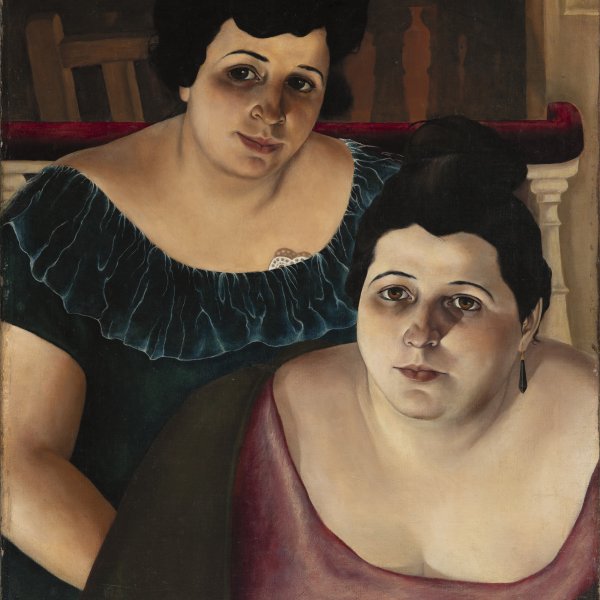
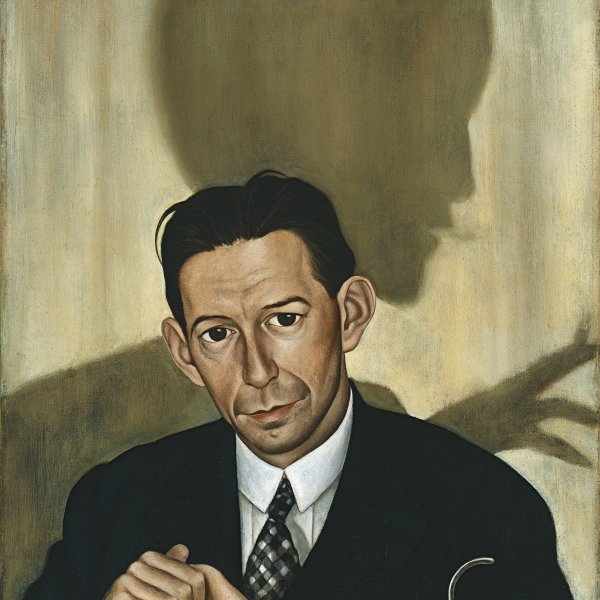
Christian Schad has gone down in history as a painter of German society portraits in the interwar period. His style, which came close to the movement known as Neue Sachlichkeit (New Objectivity), created pictures that capture the mood of the period.
As a child Schad received a rich cultural and artistic upbringing, which fostered his interest in painting and music. He did not complete his higher secondary education and in 1913 enrolled at the Akademie der Bildenden Künste in Munich, where he remained for barely a half-year. After leaving art school, he settled in the artists’ district of Schwabing and produced his first woodblock prints in an Expressionist style, which criticised the bourgeois way of life and were published in magazines such as Die Aktion and Die Weissen Blätter.
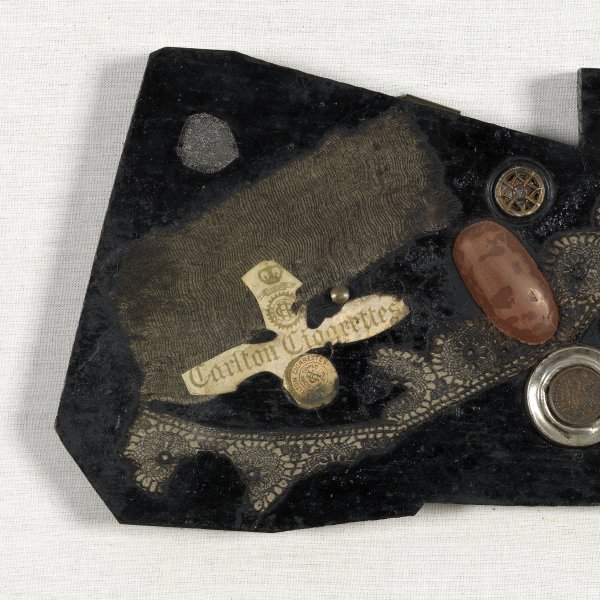
Following the outbreak of the First World War, Schad obtained a medical report exempting him from military service and moved to Zurich, where he lived until 1920. There he came into contact with the Dadaist circles and began to experiment with the collage technique and his schadographs, photographs produced without a camera by printing objects on photo-sensitive paper.
When the war ended he went to live in Italy, which marked a turning point in his career. His contact with the classical masters and the pessimism of the war’s aftermath brought about a change in his views on art and he began to paint in a realistic, sober style, emphasising man’s alienation and isolation in society. The subjects of his still-life paintings were given the same treatment. After five years in Italy, Schad passed through Vienna, later settling in Berlin in 1928. His artistic activity progressively decreased when Hitler came to power and he did not take up painting again until 1943, when he moved to Aschaffenburg and was commissioned to copy Matthias Grünewald’s Stuppach Madonna. He spent the rest of his life there. After the Second World War he evolved towards magical realism and returned to the photogram technique in the 1960s.
As a child Schad received a rich cultural and artistic upbringing, which fostered his interest in painting and music. He did not complete his higher secondary education and in 1913 enrolled at the Akademie der Bildenden Künste in Munich, where he remained for barely a half-year. After leaving art school, he settled in the artists’ district of Schwabing and produced his first woodblock prints in an Expressionist style, which criticised the bourgeois way of life and were published in magazines such as Die Aktion and Die Weissen Blätter.
Following the outbreak of the First World War, Schad obtained a medical report exempting him from military service and moved to Zurich, where he lived until 1920. There he came into contact with the Dadaist circles and began to experiment with the collage technique and his schadographs, photographs produced without a camera by printing objects on photo-sensitive paper.
When the war ended he went to live in Italy, which marked a turning point in his career. His contact with the classical masters and the pessimism of the war’s aftermath brought about a change in his views on art and he began to paint in a realistic, sober style, emphasising man’s alienation and isolation in society. The subjects of his still-life paintings were given the same treatment. After five years in Italy, Schad passed through Vienna, later settling in Berlin in 1928. His artistic activity progressively decreased when Hitler came to power and he did not take up painting again until 1943, when he moved to Aschaffenburg and was commissioned to copy Matthias Grünewald’s Stuppach Madonna. He spent the rest of his life there. After the Second World War he evolved towards magical realism and returned to the photogram technique in the 1960s.