Bernhard Strigel
Memmingen, 1460-1528
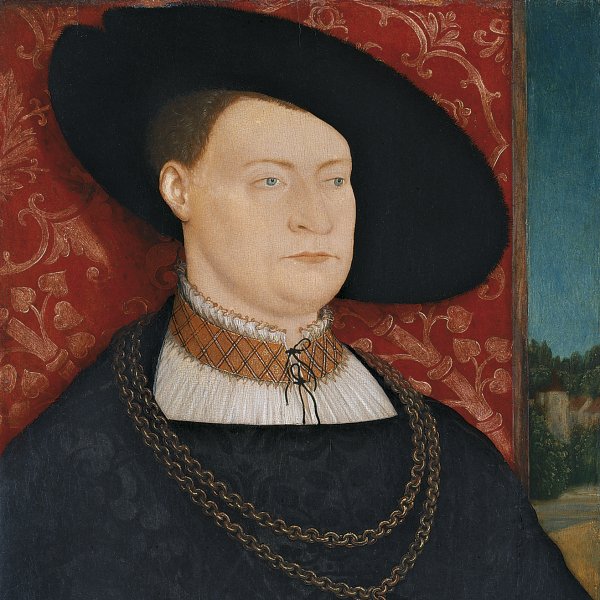
Strigel probably trained in the family workshop in Memmingen. The relationship between this artist and Hans Strigel the Younger remains unresolved, although it is thought that Hans may have been Bernhard’s father or uncle. From an inscription on the reverse of the Portrait of Johannes Cuspinian we know that Strigel painted this portrait in Vienna in 1520 at the age of sixty. Following this discovery and its publication, Bode identified Bernhard Strigel as the so-called Master of the Hirscher Collection.
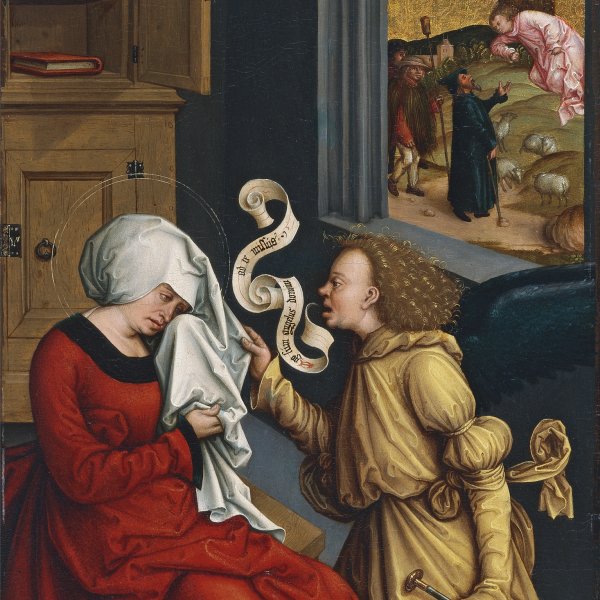
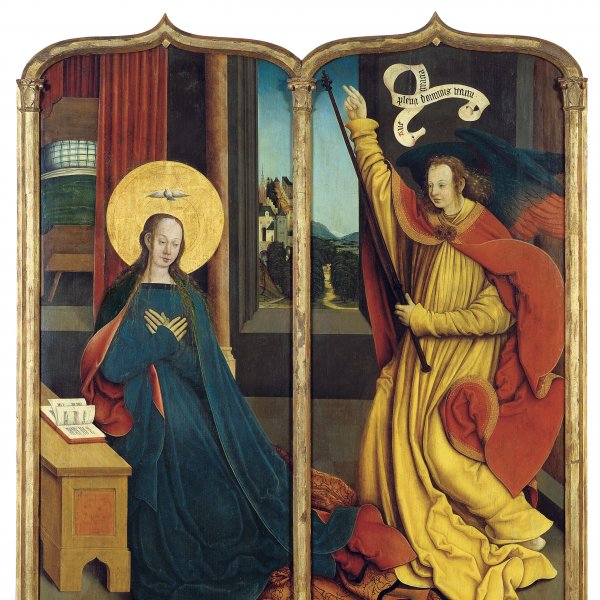
Strigel’s early works reveal the influence of Hans Strigel, although in many cases Bernhard’s motifs were derived from prints by Schongauer and from works by the Ulm school, which was the principal artistic centre in southern Germany at this period. Strigel worked with Bartholomäus Zeitblom in the abbey church at Blaubeuren. Both artists were influenced by Netherlandish art at this period, particularly Rogier van der Weyden in the case of Zeitblom and Dieric Bouts in the case of Strigel. A clear example of Bouts’ influence on Strigel is evident in The Adoration of the Magi (Stadtmuseum, Memmingen). One of his most important works is the Altarpiece of the Virgin, executed for the monastery at Salem (now in Salem castle). The monumental treatment of the objects and their arrangement in space reflects Strigel’s knowledge of the work of Dürer. His most important patron was the Emperor Maximilian who summoned the artist to Vienna in 1515 to paint the portraits of the Habsburg- Jagellon marriage. Strigel’s last paintings reveal the influence of Hans Holbein and the Danube School.
Strigel was a great draughtsman and was noted for his innovative use of reds and whites in his works on paper, with which he achieved brilliant effects of reflections, for example, Saints Catherine and Dorothy (Gallerie dell’Accademia Venice). Strigel was one of the most important masters of the transitional period between the Gothic and the Renaissance. He died in his native city in 1528.
Strigel’s early works reveal the influence of Hans Strigel, although in many cases Bernhard’s motifs were derived from prints by Schongauer and from works by the Ulm school, which was the principal artistic centre in southern Germany at this period. Strigel worked with Bartholomäus Zeitblom in the abbey church at Blaubeuren. Both artists were influenced by Netherlandish art at this period, particularly Rogier van der Weyden in the case of Zeitblom and Dieric Bouts in the case of Strigel. A clear example of Bouts’ influence on Strigel is evident in The Adoration of the Magi (Stadtmuseum, Memmingen). One of his most important works is the Altarpiece of the Virgin, executed for the monastery at Salem (now in Salem castle). The monumental treatment of the objects and their arrangement in space reflects Strigel’s knowledge of the work of Dürer. His most important patron was the Emperor Maximilian who summoned the artist to Vienna in 1515 to paint the portraits of the Habsburg- Jagellon marriage. Strigel’s last paintings reveal the influence of Hans Holbein and the Danube School.
Strigel was a great draughtsman and was noted for his innovative use of reds and whites in his works on paper, with which he achieved brilliant effects of reflections, for example, Saints Catherine and Dorothy (Gallerie dell’Accademia Venice). Strigel was one of the most important masters of the transitional period between the Gothic and the Renaissance. He died in his native city in 1528.