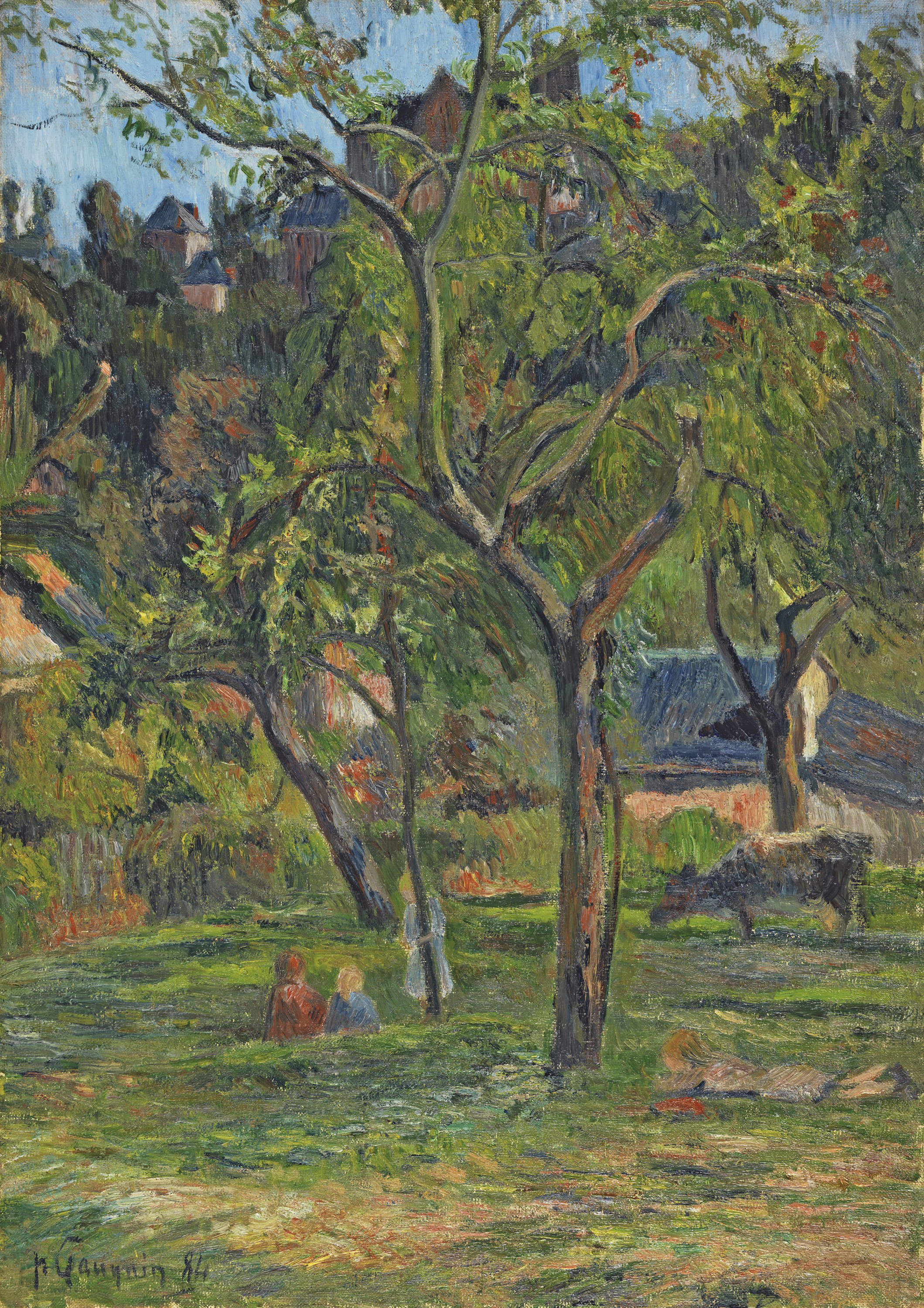
An Orchard under the Church of Bihorel
1884
Oil on canvas.
65.5 x 46 cm
Carmen Thyssen Collection
Inv. no. (
CTB.1992.6
)
Room F
Level 0
Carmen Thyssen Collection and Temporary exhibition rooms
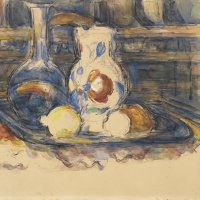
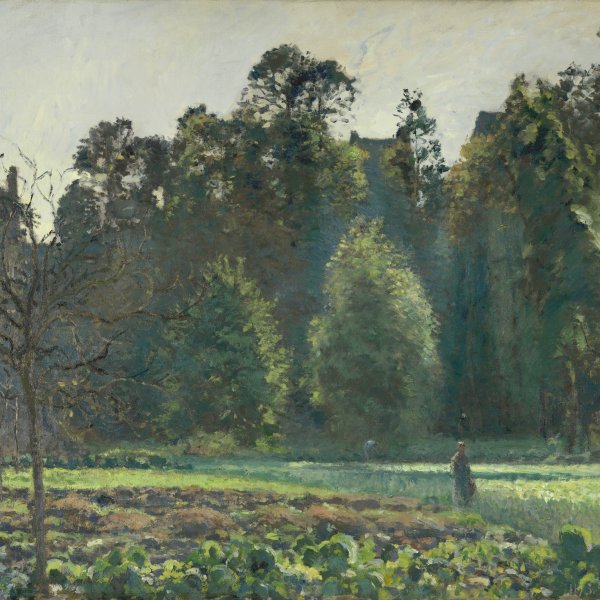
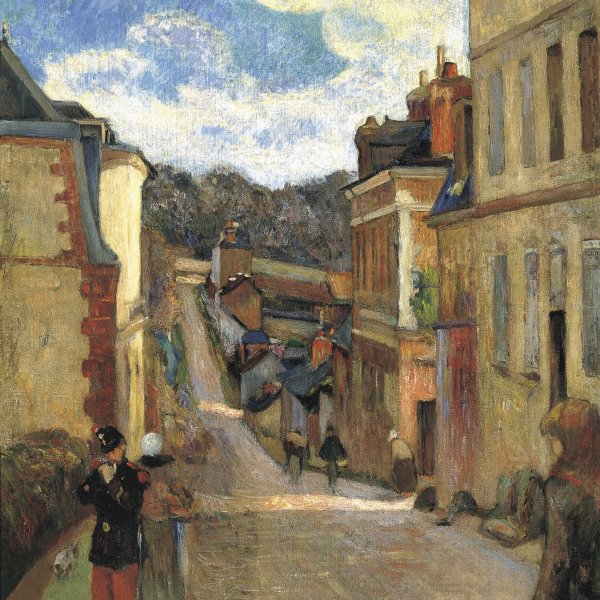
Gauguin moved to Rouen with his wife and four of his five children in January 1884. He had given up his job in the Paris stock-exchange, and made the momentous decision to become a full-time painter. During his relatively affluent time in Paris, he had acquired a magnificent collection of "modern" art, with works by Manet, Degas, Monet, Sisley, Renoir, and especially Cézanne, Guillaumin and Pissarro. And in return, he was invited to participate with the Impressionists at their exhibitions in 1879, 1880, 1881 and 1882. Pissarro was his mentor, the two often painted together, and when apart, they corresponded regularly. Our knowledge of Gauguin's stay in Rouen, from January to November 1884, is largely based on his letters to Pissarro.
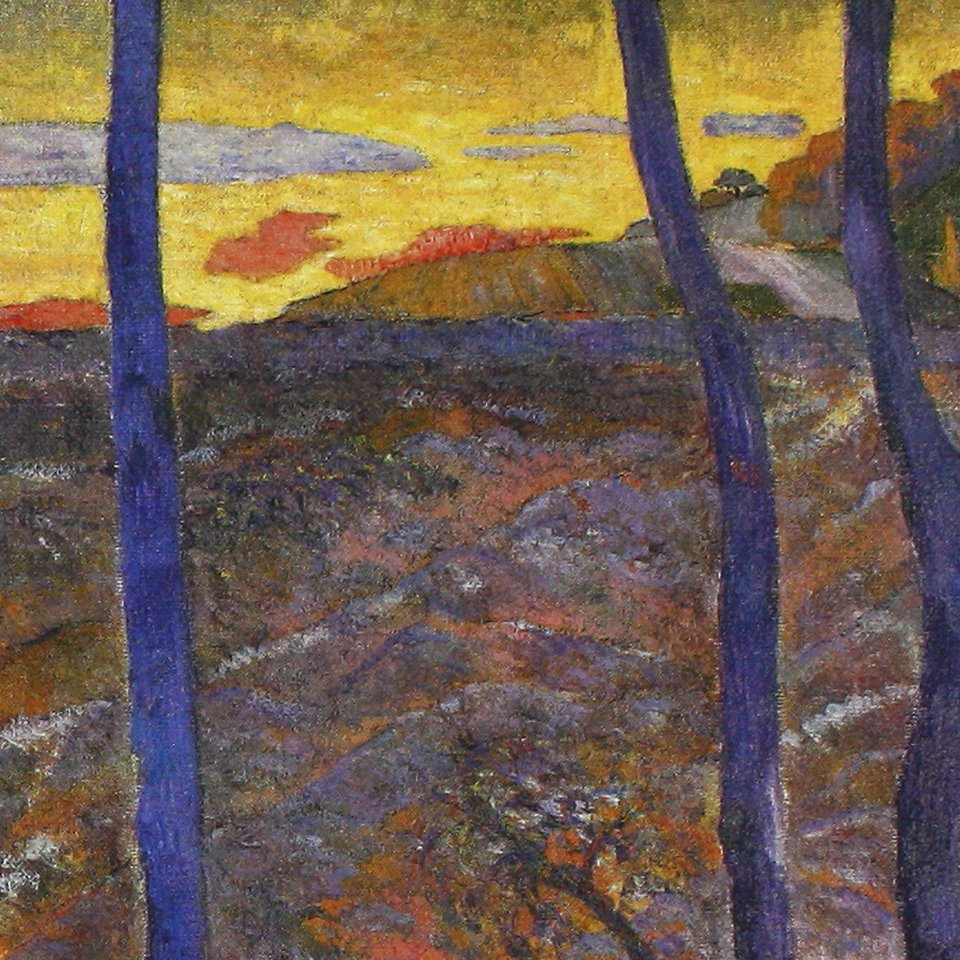
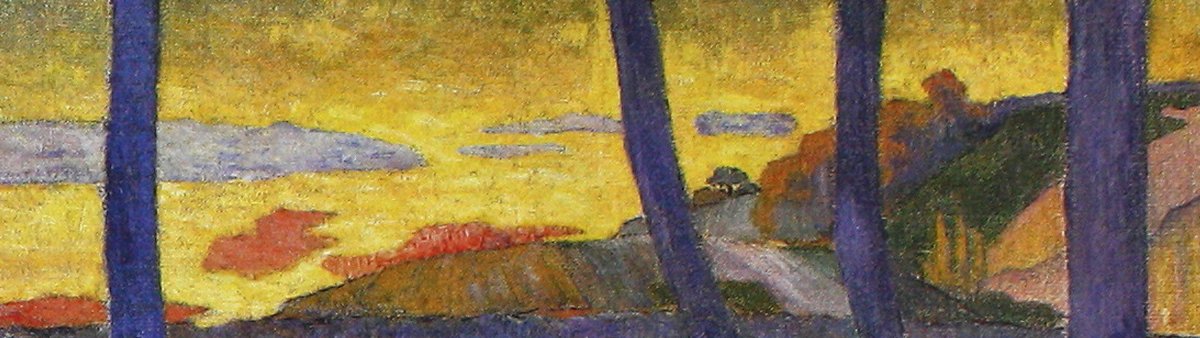
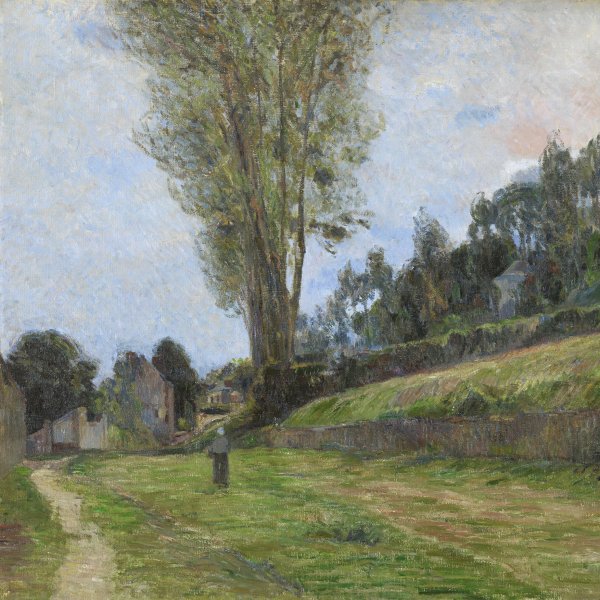
Because of destruction during World War II, the part of Rouen where Gauguin lived no longer exists. An Orchard under the Church of Bihorel is one of three canvases showing what must have been the orchard of the house he rented, with his children at play. Above them, on a steeply rising hill is the church of Notre-Dame-des-Anges.
It is not a large painting but then few of the thirty or so paintings Gauguin produced in Rouen are. Stylistically, it reflects Pissarro's garden paintings of Pontoise that Gauguin knew intimately. But Gauguin also knew intimately the work of Cézanne: the off-centre tree, clearly the lynch-pin of the design as well as the echoes of Cézanne's formalist, so-called constructive stroke attest to that. And, to be fair, one must add Guillaumin, with whom Gauguin was so friendly in the 1880s.
Ronald Pickvance
Because of destruction during World War II, the part of Rouen where Gauguin lived no longer exists. An Orchard under the Church of Bihorel is one of three canvases showing what must have been the orchard of the house he rented, with his children at play. Above them, on a steeply rising hill is the church of Notre-Dame-des-Anges.
It is not a large painting but then few of the thirty or so paintings Gauguin produced in Rouen are. Stylistically, it reflects Pissarro's garden paintings of Pontoise that Gauguin knew intimately. But Gauguin also knew intimately the work of Cézanne: the off-centre tree, clearly the lynch-pin of the design as well as the echoes of Cézanne's formalist, so-called constructive stroke attest to that. And, to be fair, one must add Guillaumin, with whom Gauguin was so friendly in the 1880s.
Ronald Pickvance