Lucian Freud
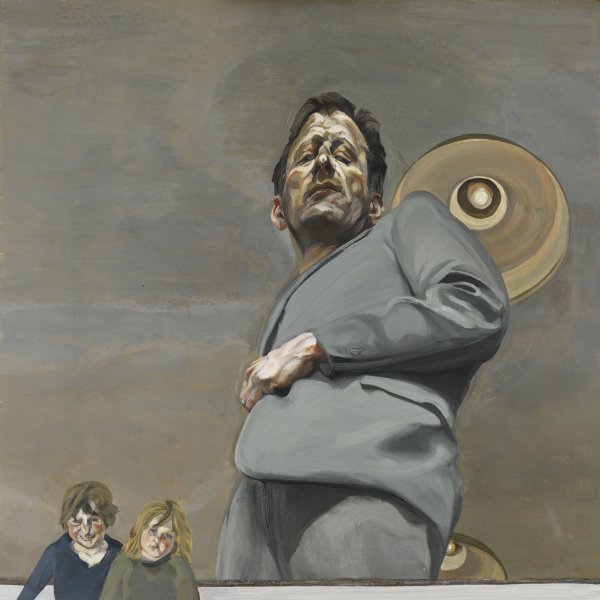
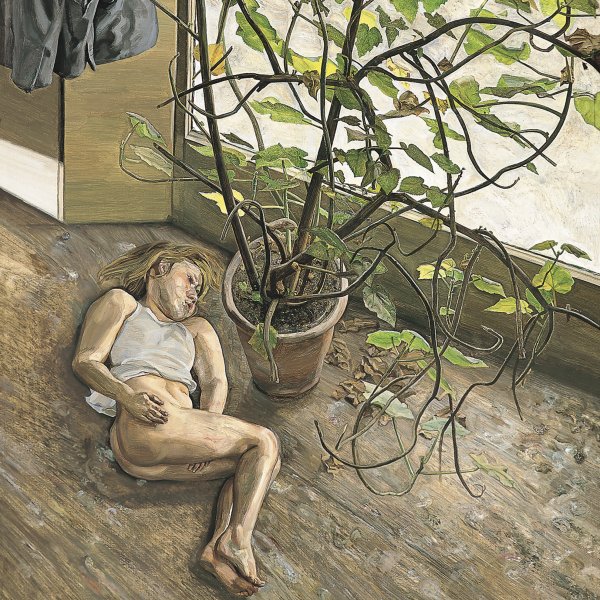
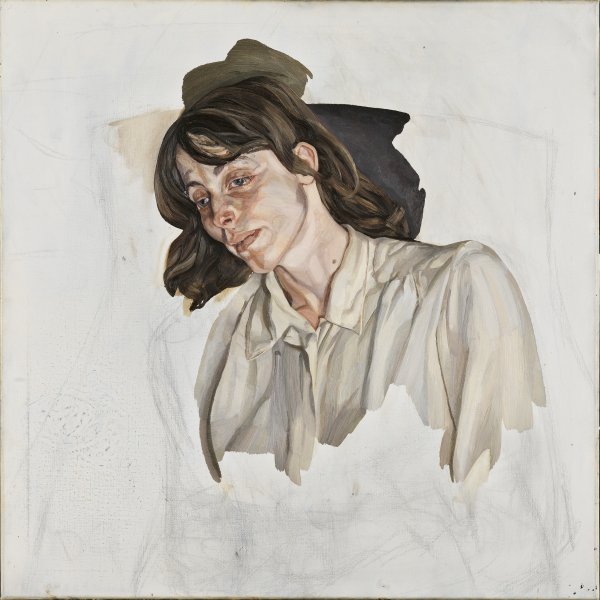
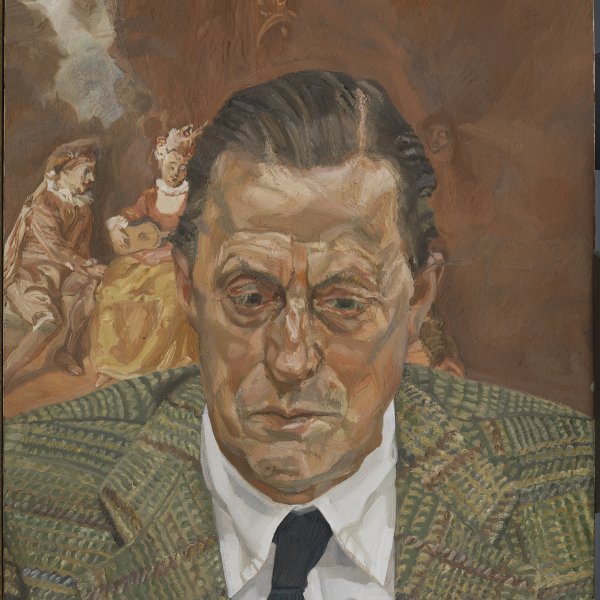
Lucian Freud is hailed as one of the foremost practitioners of the figurative movement in British art of the second half of the twentieth century that has become known as the School of London. In his portraits, which generally show sitters in their close environment, Freud succeeds in revealing the vulnerability of the human body through the material fleshiness his works exude.
Son of an architect and grandson of the father of psychoanalysis, Sigmund Freud, Lucian spent his childhood in Berlin until the arrival of Hitler forced his family to emigrate to England. He wanted to be an artist from an early age. He studied at the Dedham School of Arts and Crafts and subsequently at Goldsmith’s College in London. Trained in the existentialist intellectual environment of interwar Europe, he used his painting as an instrument for reflecting on the alienation of contemporary man.
Since the outset of his artistic career, his works have always been centred on the human figure, depicted with great psychological intensity. During the 1950s the somewhat rigid style of the early days gave way to a looser, more informal language of thicker brushstrokes. This development did not mark the beginning of a faster method, as Freud has always worked slowly and reflexively, needing to develop a close relationship with the people or objects portrayed. Above all Freud attaches importance to his psychological study, which he combines with a crude realism and uninhibited poses that occasionally verge on the sordid. He does not seek likeness in his portraits but rather the reflection of what his sitters represent, and he attempts to find the essence of their personality.
From 1958 to 1968 Freud’s work was shown regularly at the Marlborough Gallery and the numerous international exhibitions of his work held since the 1970s have made him one of the greatest living artists today.