Francisco de Goya
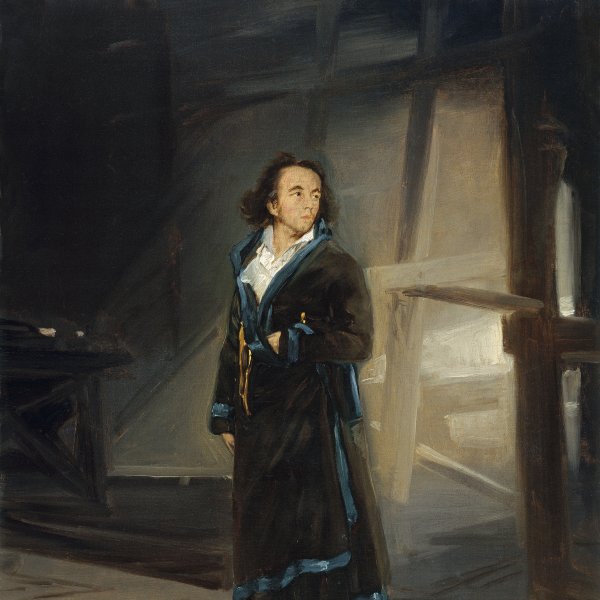
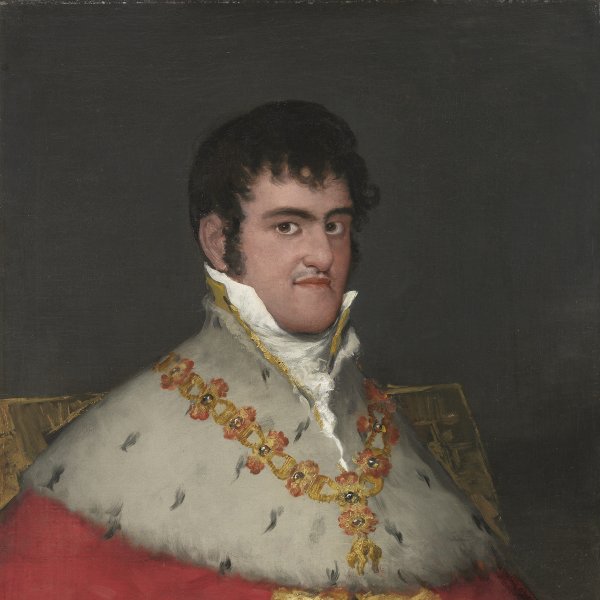
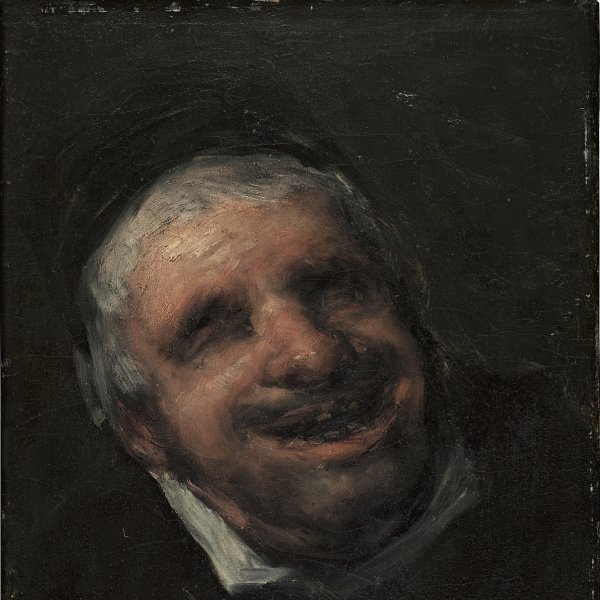
Goya was the son of a master gilder and was born on 30 March 1746 in Fuendetodos. In 1760 he was in Saragossa, training with José Luzán Martínez, and in 1763 he travelled to Madrid with the intention of winning one of the prizes from the Real Academia de Bellas Artes that would allow him to further his studies in Rome. Goya travelled to Italy in 1770 and during his time there produced his so-called Italian Sketchbook, which is the first in a series of sketchbooks and notebooks by the artist, most of which are now in the Museo del Prado. The following year the artist was again in Saragossa and in July of that year he married Josefa, sister of the painter Francisco Bayeu. By 1775 Goya was living in Madrid and working on the design of cartoons for tapestries for the Real Fábrica de Santa Bárbara. These designs (Museo del Prado) depict scenes of daily life and other more idyllic ones. In 1789 Goya was appointed painter to Charles IV. In 1792, as the result of an illness, the artist was left almost completely deaf. During that decade he produced a series of smallformat paintings which he termed themes of “fantasy and invention” and whose subject matter he would further investigate in the future. In 1799 Goya was appointed First Court Painter and also produced the first of his six great series of prints, entitled Los Caprichos. In 1793 the artist painted his famous portrait of The Family of Charles IV (Museo del Prado). Between 1808 and 1814 he executed his second series of prints known as The Disasters of War, while this is also the period of his two celebrated history paintings, The 2nd of May in Madrid. The Fight against the Mamelukes and The 3rd of May in Madrid. The Execution of patriotic Madrileños (both Museo del Prado). In 1819 Goya again fell ill and after his recovery in 1820 produced the series known as The Black Paintings, which decorated the rooms of his new house on the edge of Madrid known as the Quinta del Sordo [Deaf Man’s House]. The chromatic range of blacks, whites and browns and the subject matter of these compositions, which are painted with enormous artistic freedom, gave them their name. In 1824 Goya moved to Bordeaux where his style evolved and again seems strikingly modern for its date.