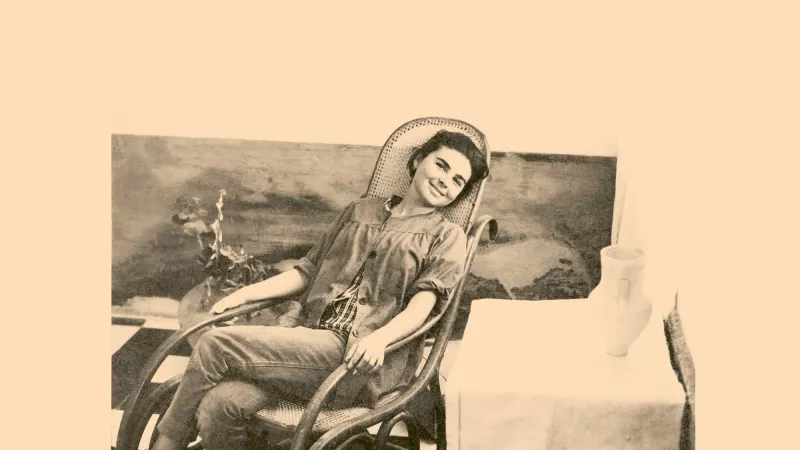
Works, style, and interesting facts to discover Carmen Laffón
15 Key insights to better understand her life, influences, and artistic career
Carmen Laffón was one of the leading figures in contemporary Spanish art. Born in Seville in 1934, her work was deeply rooted in light, the Andalusian landscape, and the observation of everyday life. Her paintings, drawings, and sculptures established her as a unique artist within the Spanish figurative art movement.
Over the course of a career spanning more than six decades, she created some of the most renowned works in recent Spanish art and built a universe of her own marked by landscapes and still lifes. Below, we invite you to discover 15 interesting facts about her life, her influences, and the key elements that help us better understand her work.
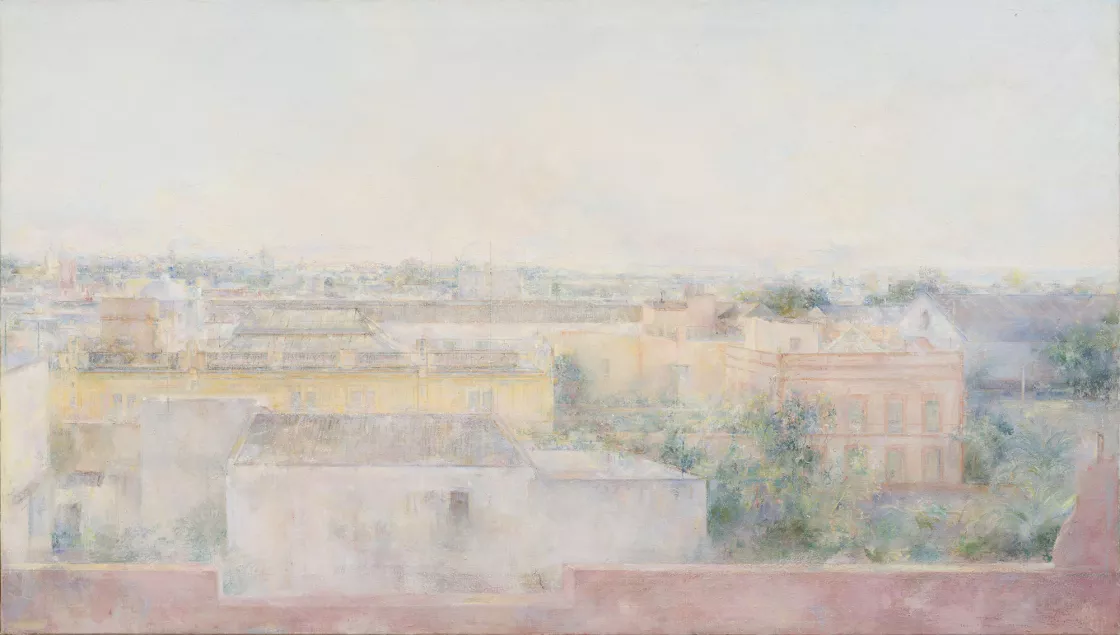
1. Her early days in La Jara
Her first teacher was the painter Manuel González Santos, a family friend and neighbor of the house where she spent her summers in La Jara (Sanlúcar de Barrameda). She began painting there as a child.
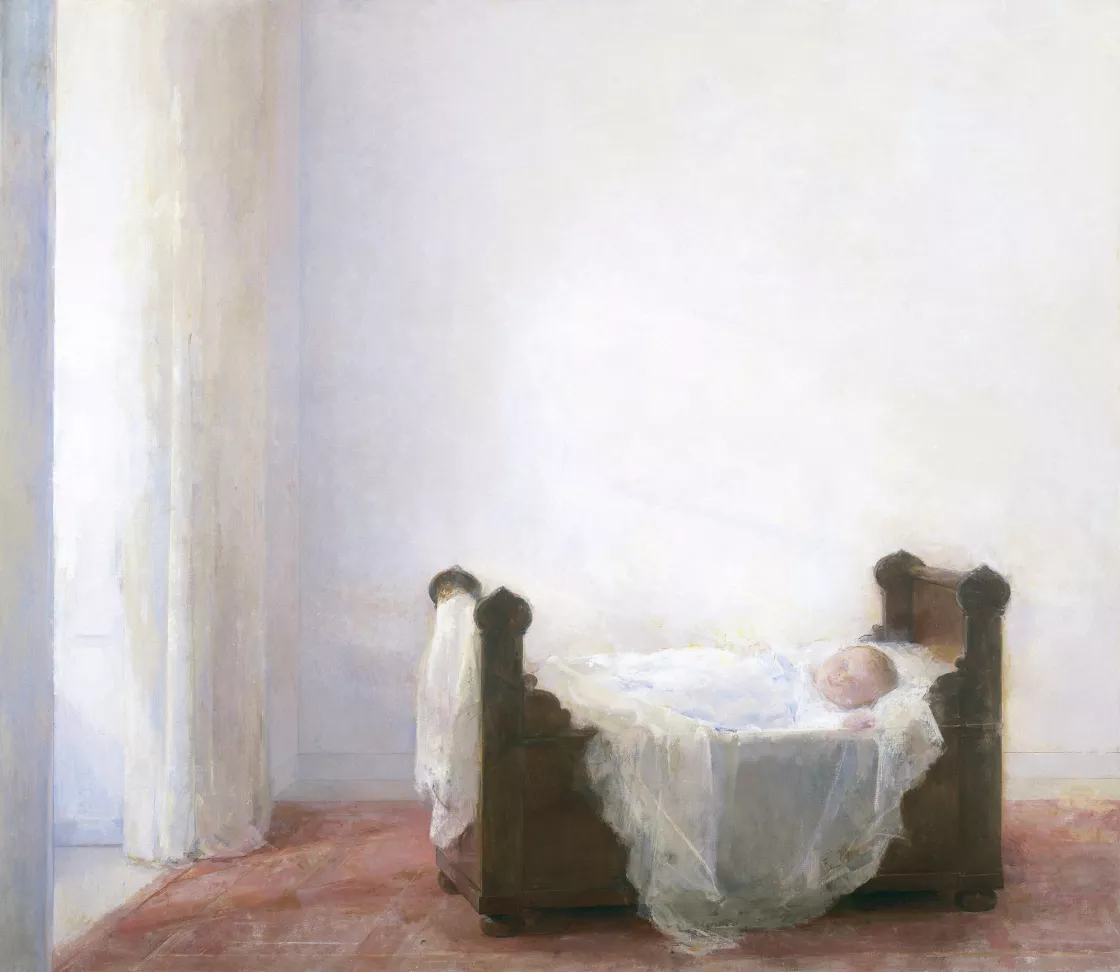
2. She graduated from the School of Fine Arts at just 19 years old
After studying in Seville and Madrid, she completed her education at a very young age and continued her studies in Paris and Rome thanks to a government scholarship.
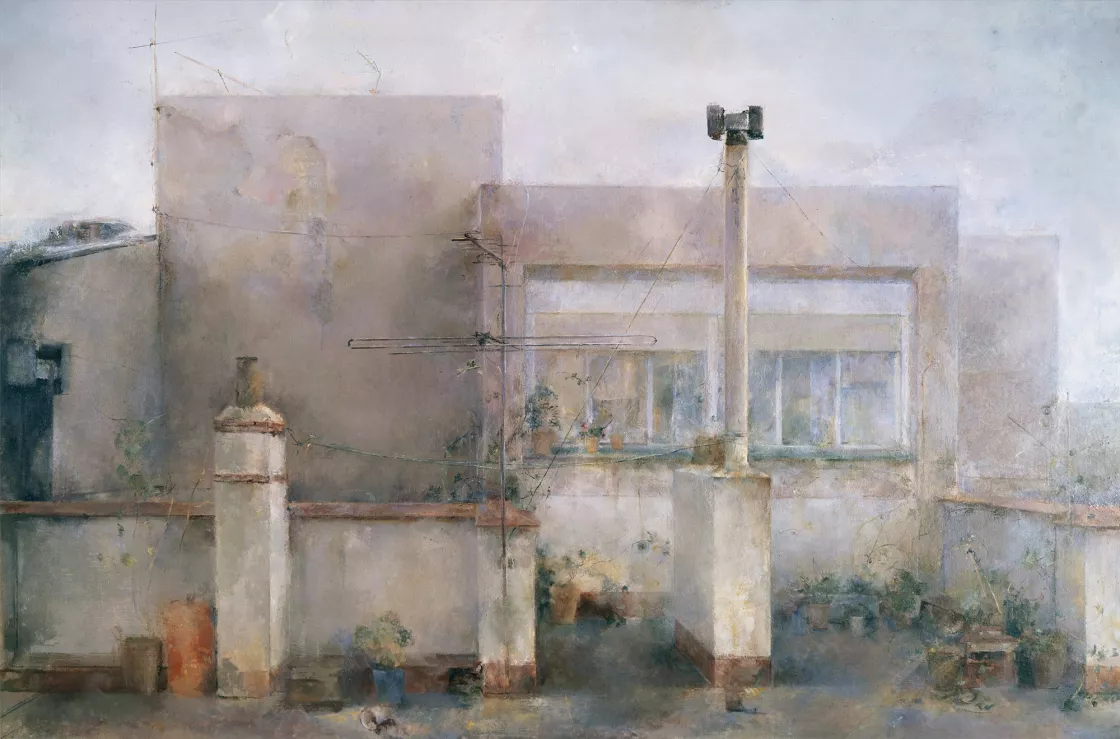
3. Fascinated by the work of Marc Chagall
During a study trip to Paris in 1954, she was fascinated by the work of Marc Chagall. The artist’s poetic atmosphere and blurred contours influenced her artistic sensibility.
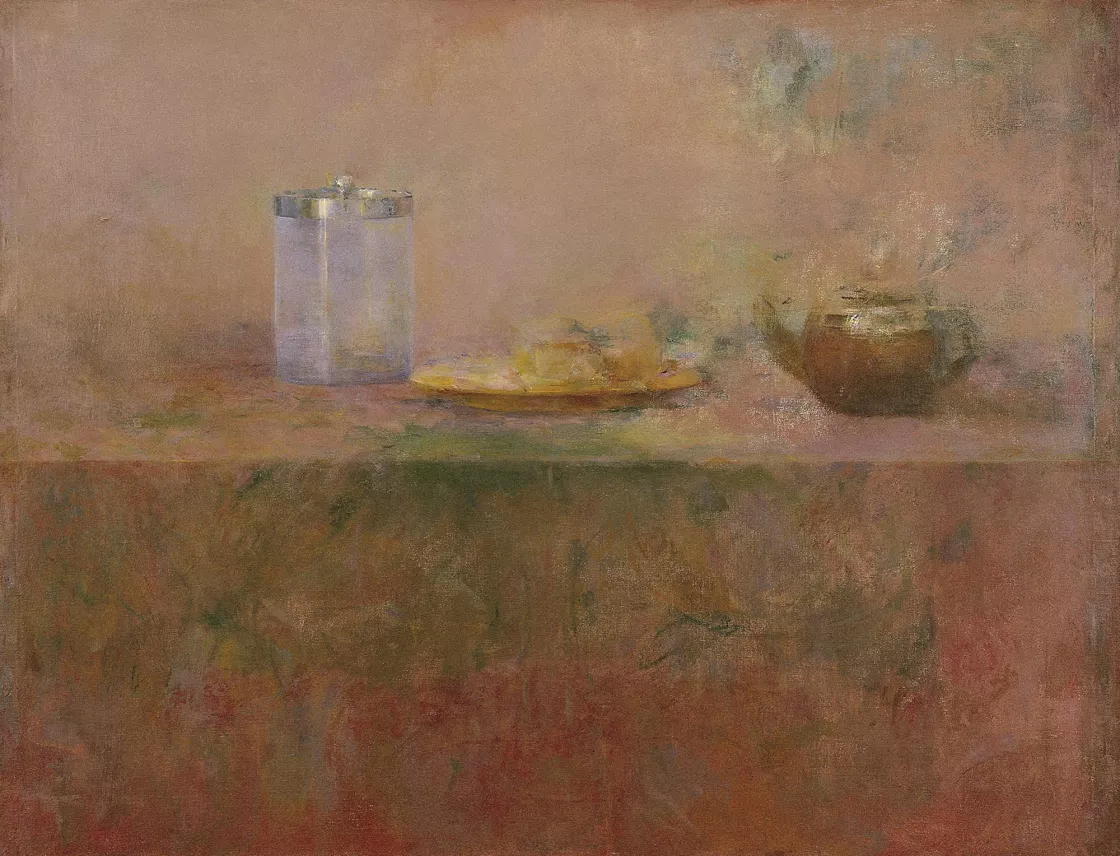
4. She also admired Rothko
In addition to Chagall, she had a deep admiration for Mark Rothko. Although her work is figurative, she shared Rothko’s interest in emotion, light, and silent contemplation.
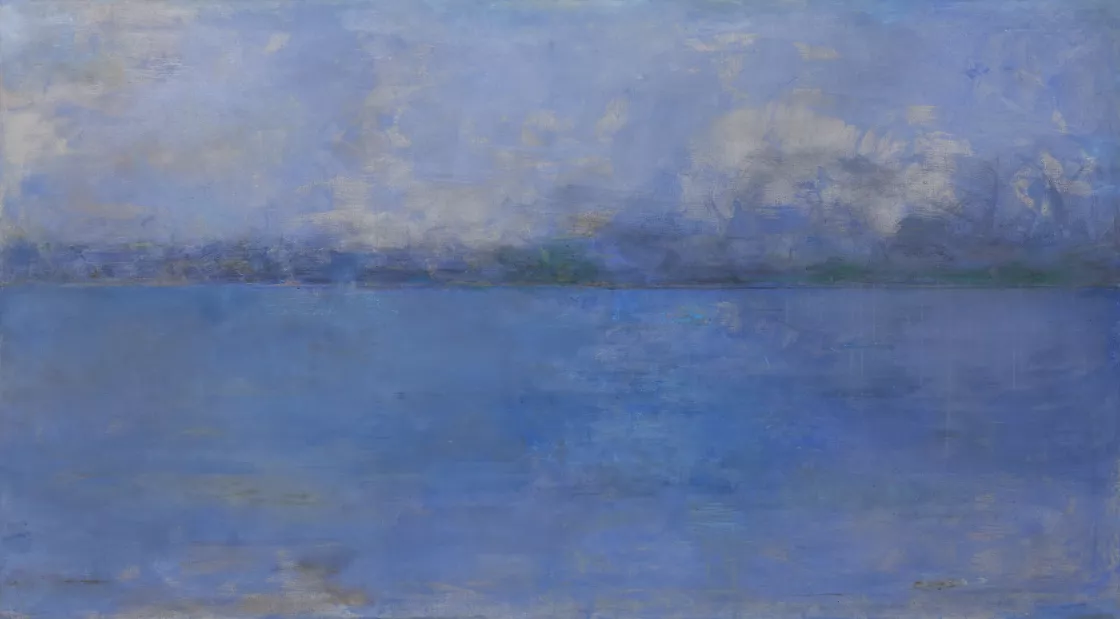
5. Doñana, her great inspiration
The family’s summer home in Sanlúcar de Barrameda, in La Jara, across from the Doñana Nature Reserve, was a key focal point of her artistic work.
For decades, she painted the same horizon: the Guadalquivir estuary and the Doñana Nature Reserve as seen from Sanlúcar. She was more interested in the variations in light, atmosphere, and weather than in the landscape itself. She is more interested in painting than in representation.
The ever-changing nature of this landscape, the surprises it offers every hour, its sounds, and the scents of wet stones, seaweed, and the Western Sea have been—and continue to be—an inexhaustible source of inspiration for my painting.
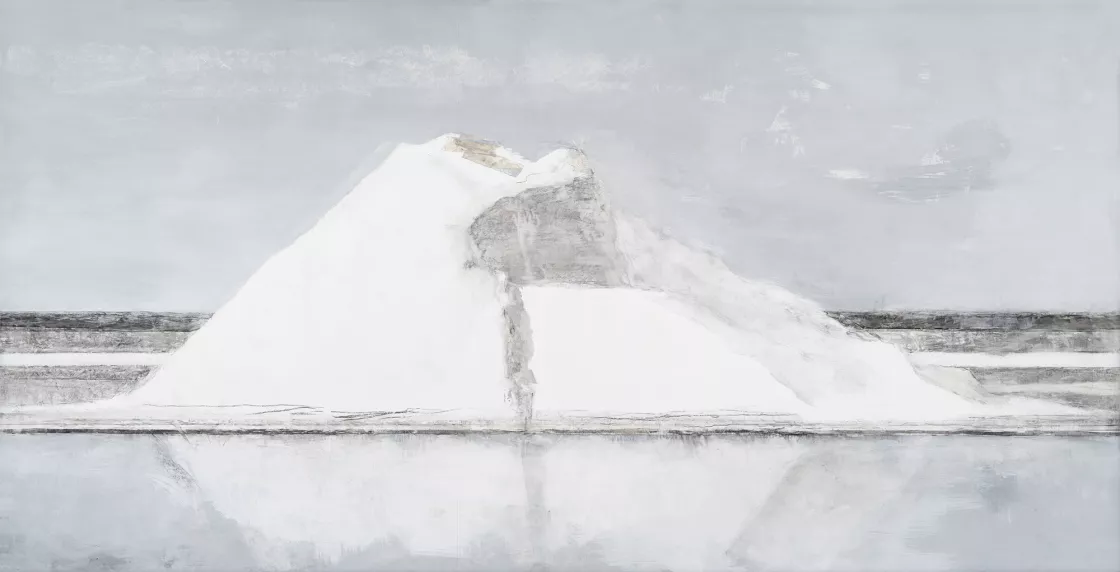
6. What is the style of her work?
Although she never abandoned figurative art, her later landscapes feature minimal horizons and almost dissolved forms that border on abstraction.
...her ability to transcend genres and bring together artistic languages that, at first glance, seem unrelated. It is difficult to understand his work without taking into account this boundary-crossing nature of his art; […]; sculptures that venture into the realm of installation, drawings that encroach on painting, works that explore both traditional and modern languages, and bring them together to give form to a specific intention..
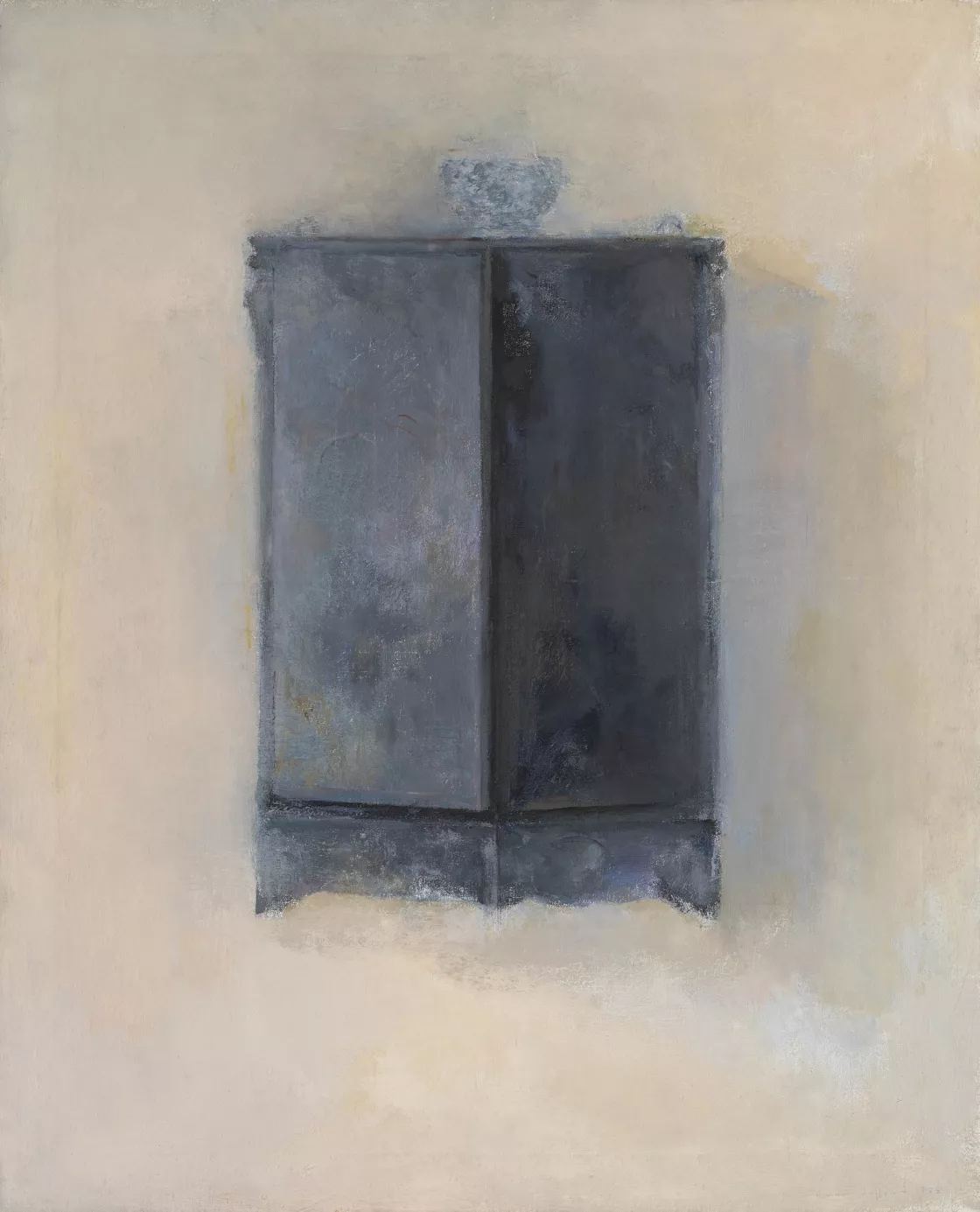
7. An artist of series and variations
Carmen Laffón developed a body of work characterized by the repetition of themes and images that reappear as variations and series throughout her career spanning more than sixty years. Through this method, she explored the infinite transformations of light, landscape, and time.
...a very delicate sense of light, a subtlety of color, and an unparalleled refinement in the painterly technique.
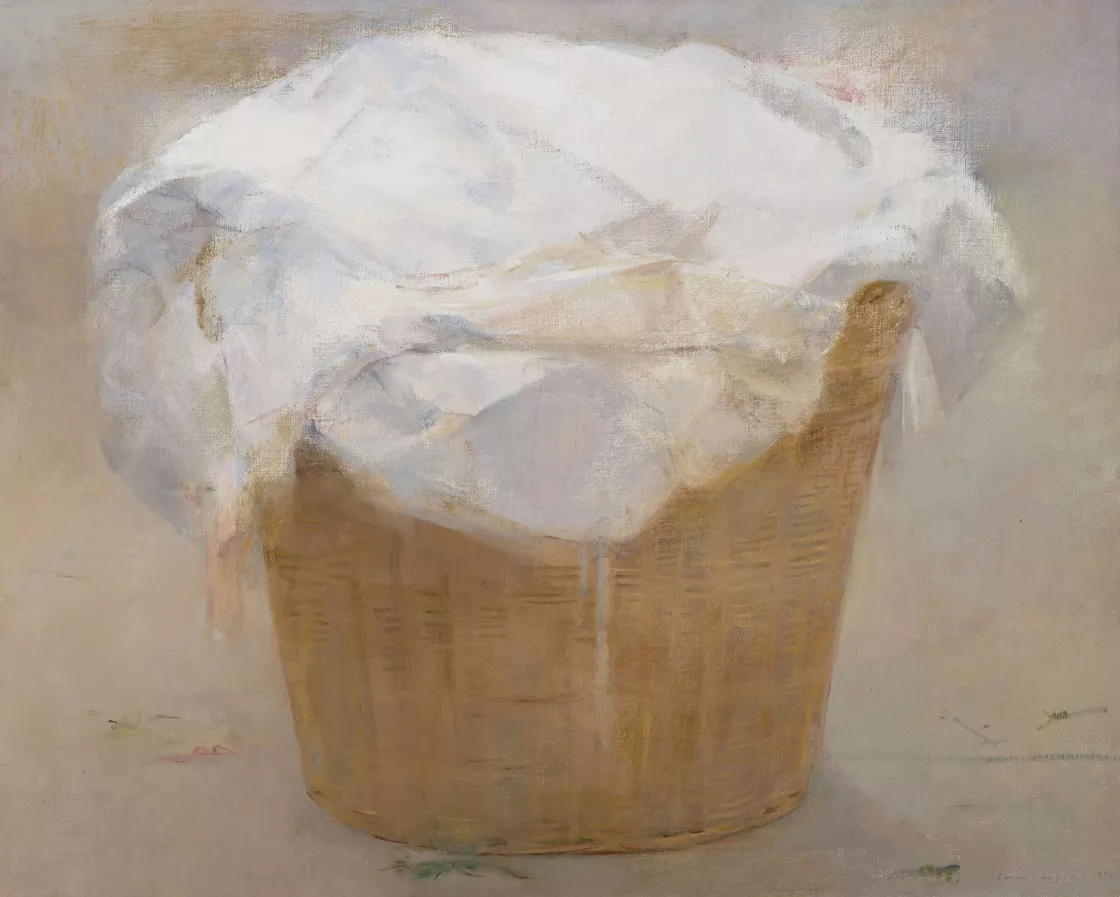
8. She painted scenes from everyday life
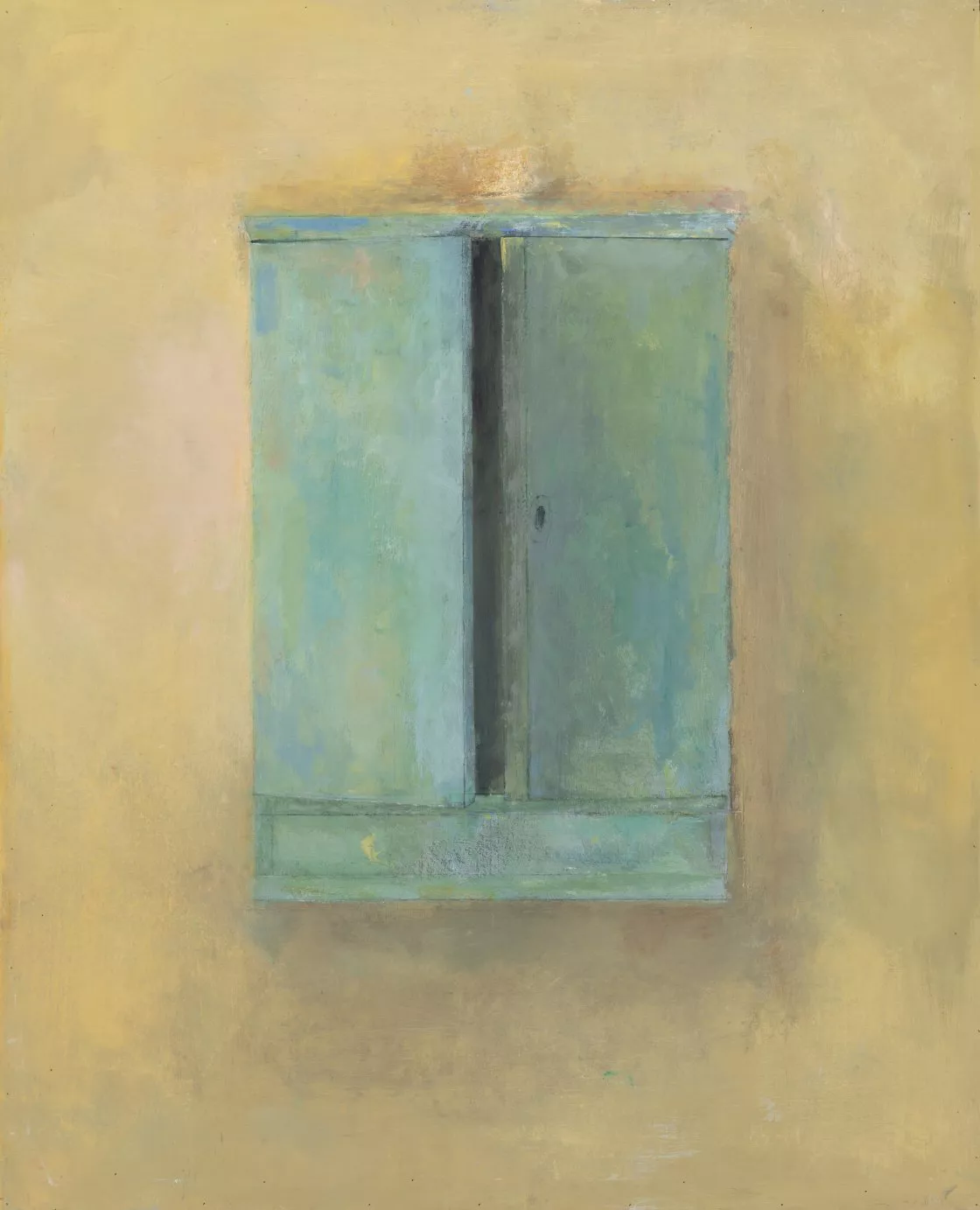
In addition to landscapes, she depicted baskets, cupboards, sewing machines, side tables, vineyards, terraces, gardens, and traditional Andalusian work tools, elevating simple objects to the status of art.
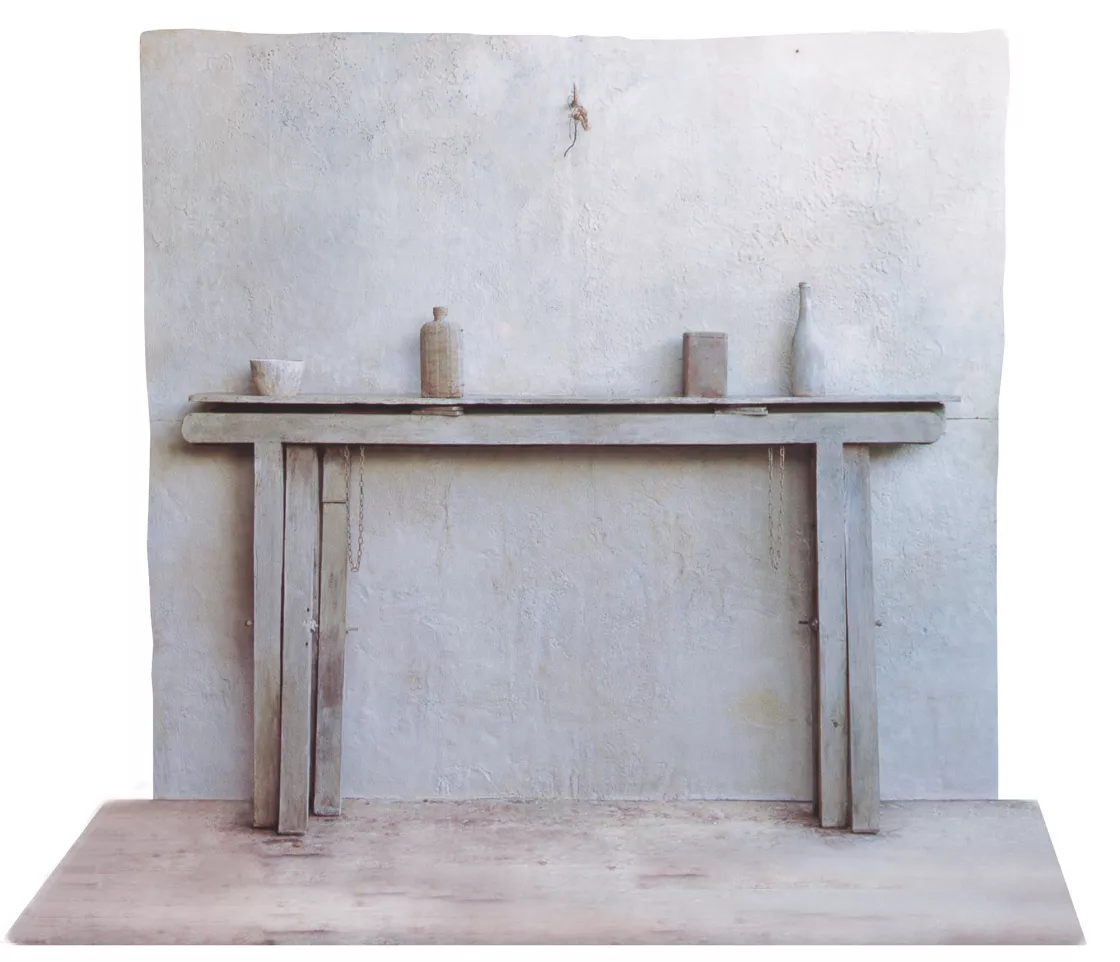
9. She was also a sculptor
Although she is best known for her paintings and drawings, she began producing a significant body of sculptural work in the mid-1990s. She worked with materials such as iron, plaster, wood, and bronze.
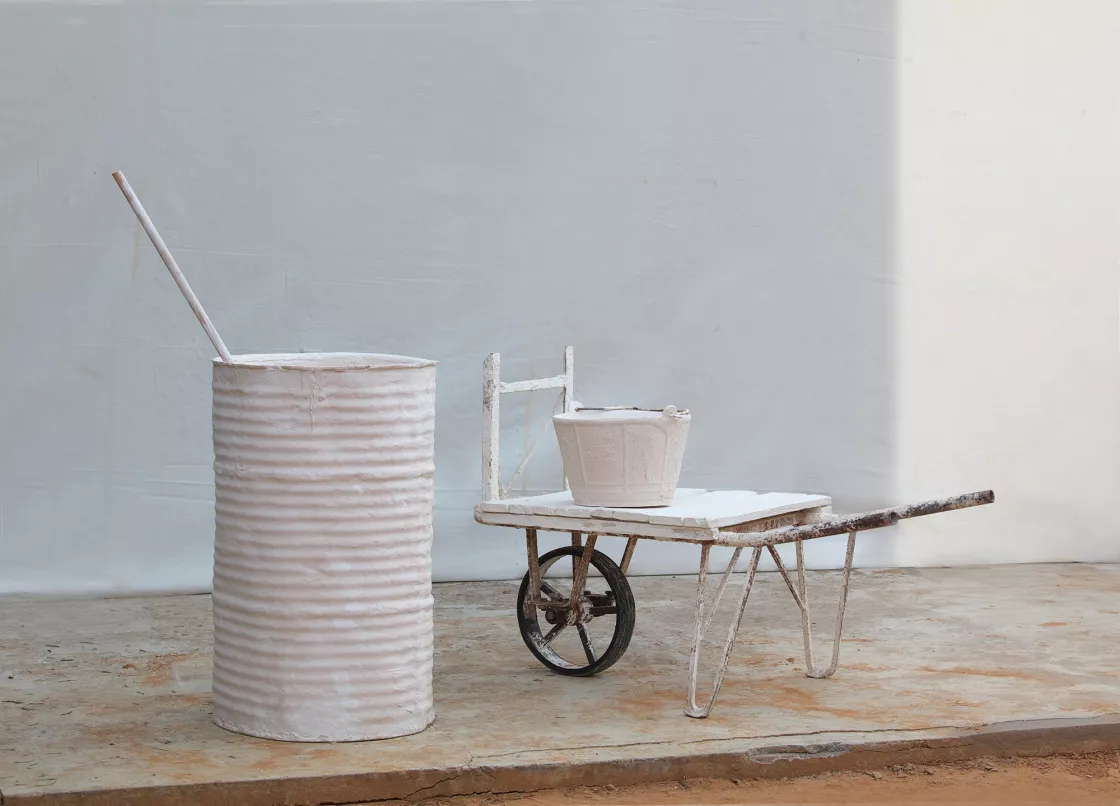
10. She was part of the same generation as some of the great names in Spanish art
She was friends with the Realistas de Madrid group. In the 1960s, she associated with artists such as Fernando Zóbel, Gerardo Rueda, and Gustavo Torner, and worked in the circle of the influential Galería Juana Mordó, a gathering place for the Spanish artistic avant-garde.
I always realized that my painting was something else, that I couldn’t fit into the avant-garde movements with my figurative world […] so, in Madrid, this approach was rejected by the art world. It meant going against the grain. But I was very enthusiastic about my paintings and kept working.
11. She founded an art school
In 1967, she founded the El Taller school together with Teresa Duclós and José Soto, demonstrating her interest in art education. Later, she also taught at the School of Fine Arts in Seville.
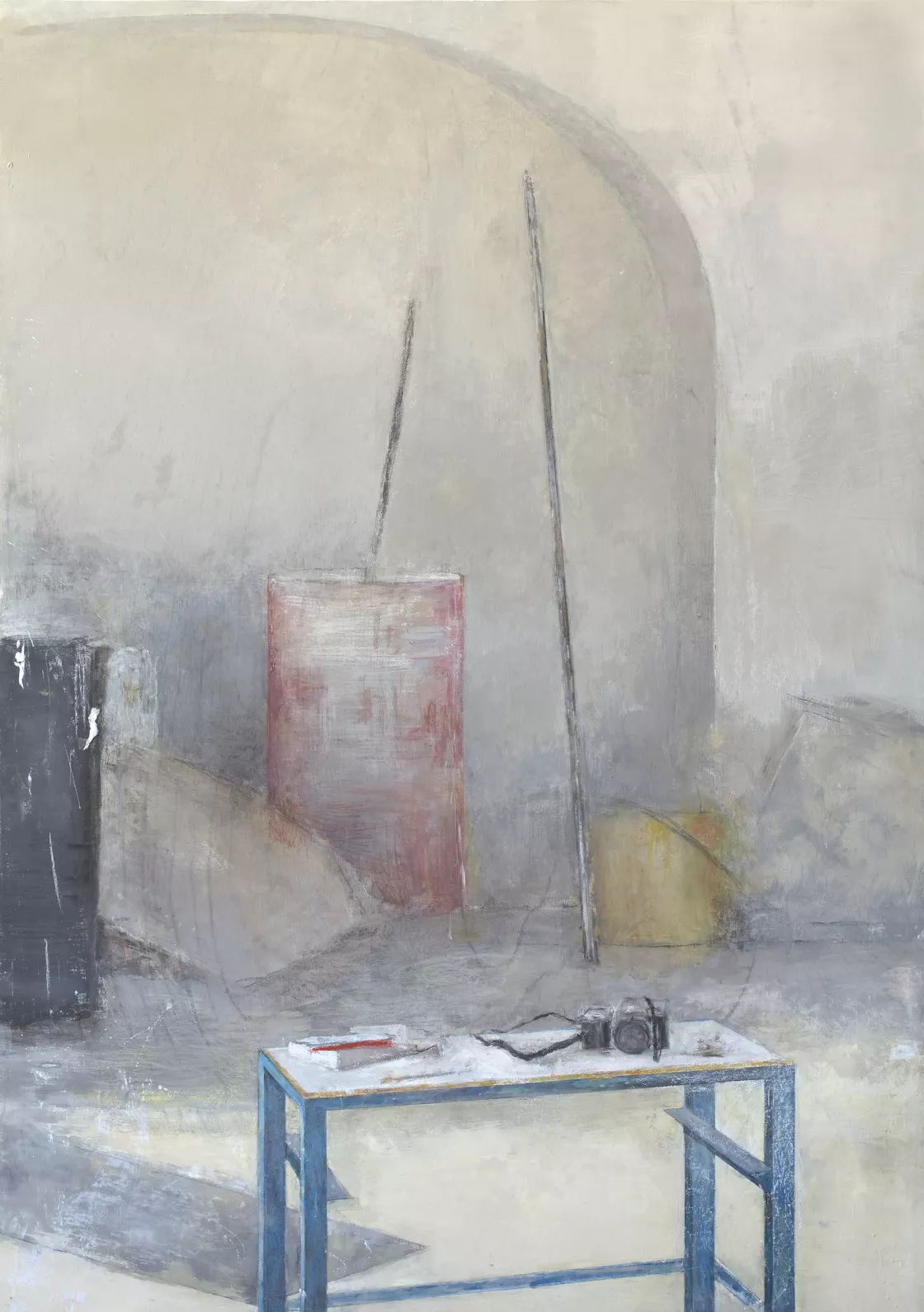
12. She was the second woman to be admitted to the Royal Academy of Fine Arts of San Fernando as a Full Member
Her induction into the academy in 2000 carried great symbolic significance: she was the second woman to hold a seat at that historic institution.
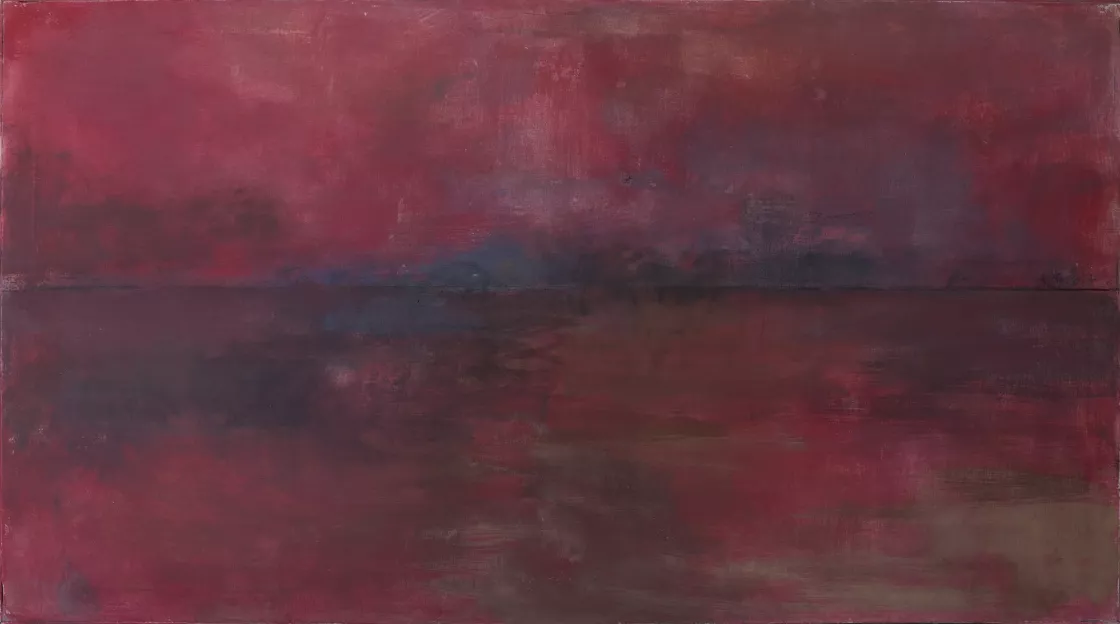
13. Her induction speech at the Academy was dedicated to a landscape
She titled her talk “Vision of a Landscape” and dedicated it to her emotional connection to Sanlúcar de Barrameda and the Doñana Nature Reserve.
Light spills over this landscape of land, sea, sand, river, and marshes—of infinite spaces—which I gaze upon time and time again, trying to capture on canvas the emotion and intensity of what it holds.
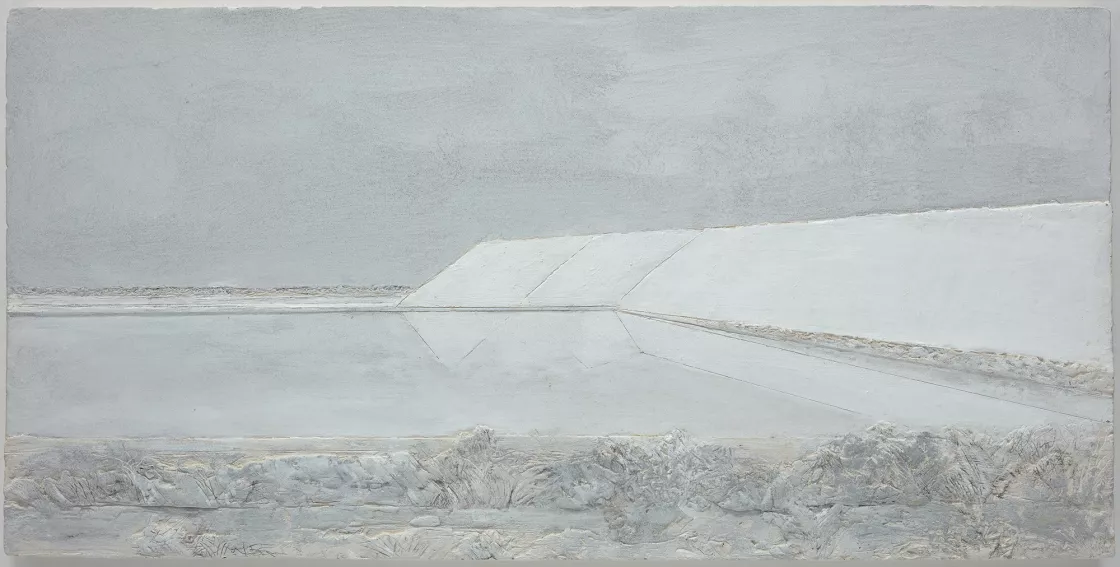
14. Salt inspired her latest series
In recent years, she has conducted extensive artistic research on the Bonanza salt flats in Sanlúcar de Barrameda, a subject she has transformed into large-scale paintings and sculptures.
Light spills over this landscape of land, sea, sand, river, and marshes—of infinite spaces—which I gaze upon time and time again, trying to capture on canvas the emotion and intensity of what it holds.
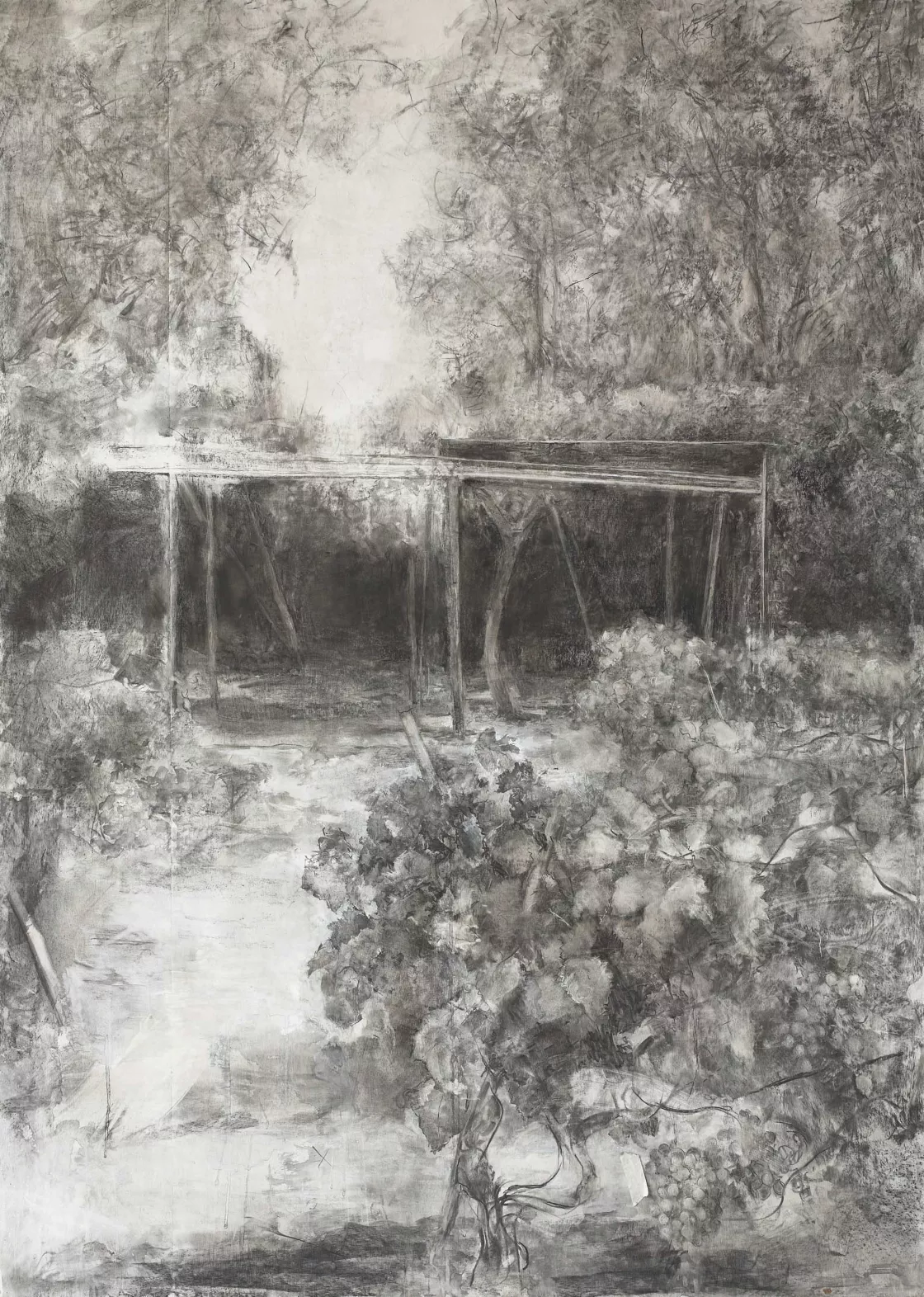
15. Her work is on display in national and international museums
Her work can be found in collections such as the Reina Sofía National Art Museum, the Prado National Museum, the Juan March Foundation, the Helga de Alvear Museum in Cáceres, and the MFA in Boston, among other prominent institutions.