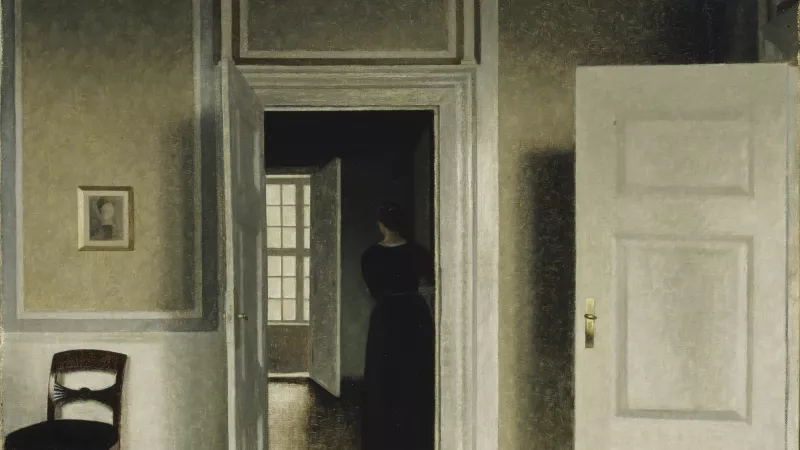
12 Surprising Facts About the artist Vilhelm Hammershøi
The Danish master of silence that you can discover in our exhibition
Vilhelm Hammershøi (1864–1916) is one of the great names in Danish painting and an essential figure in modern Scandinavian art. Known as the master of silent interiors, his work captivates with its enigmatic atmosphere, subdued light and unmistakable palette of greys.
To mark the museum's temporary exhibition dedicated to Hammershøi, we have compiled 12 interesting facts that will help you discover more about him.
1. He painted silence
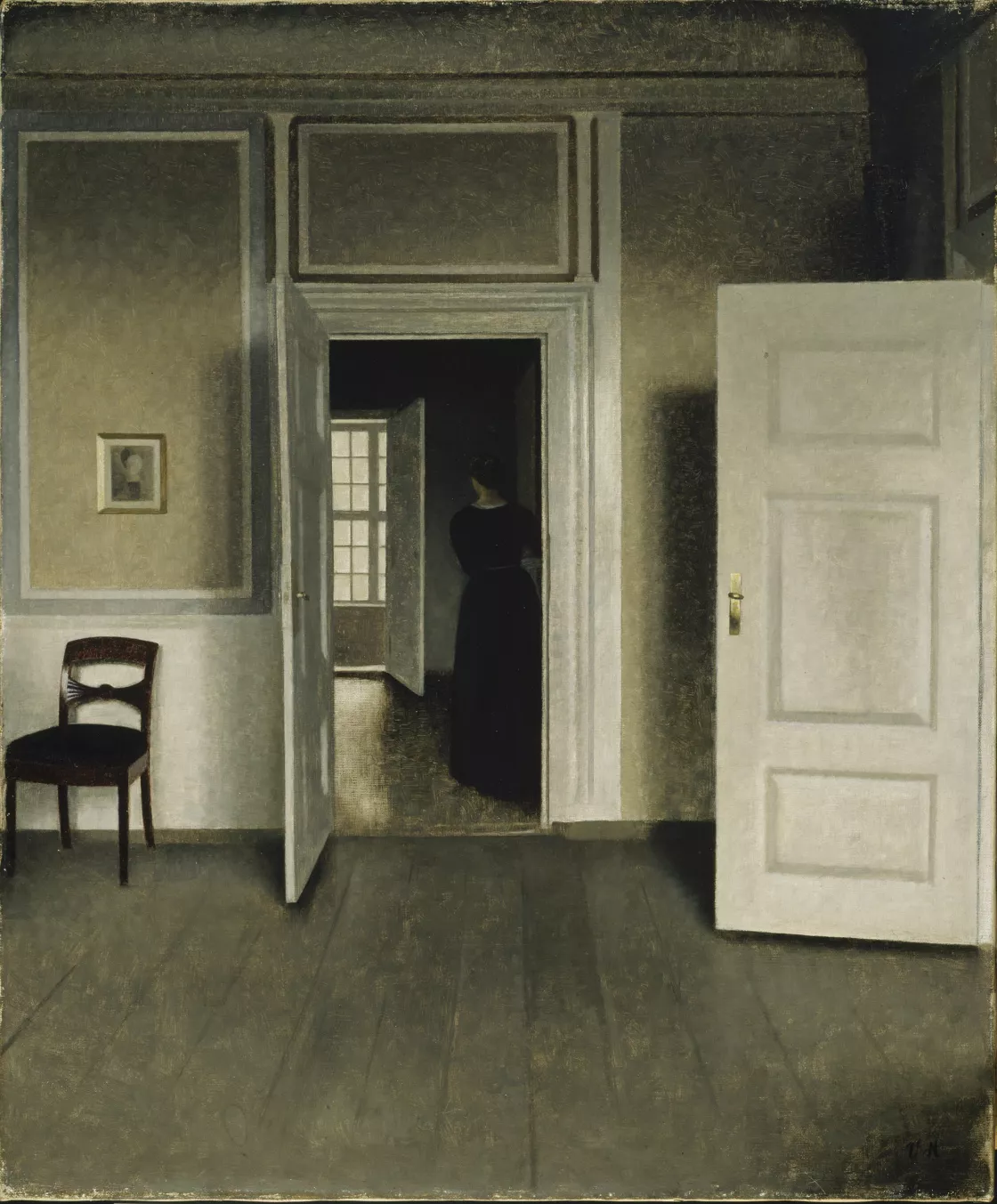
Hammershøi did not seek to tell obvious stories. His paintings convey calm, waiting and contemplation.
The spaces seem suspended in time, as if the world had stopped for a few seconds.
That is why many call him the painter of silence.
2. His paintings have almost no colour
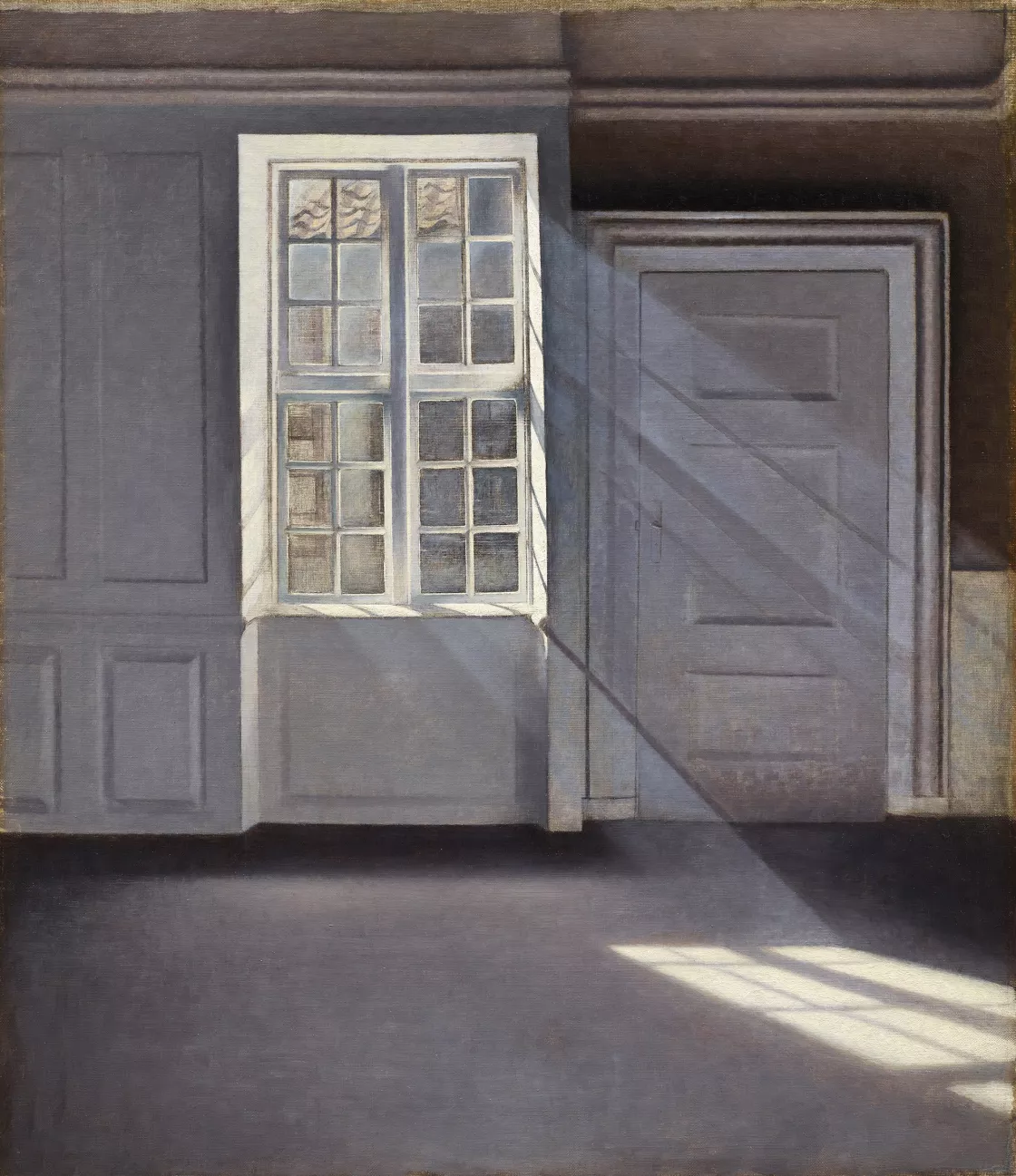
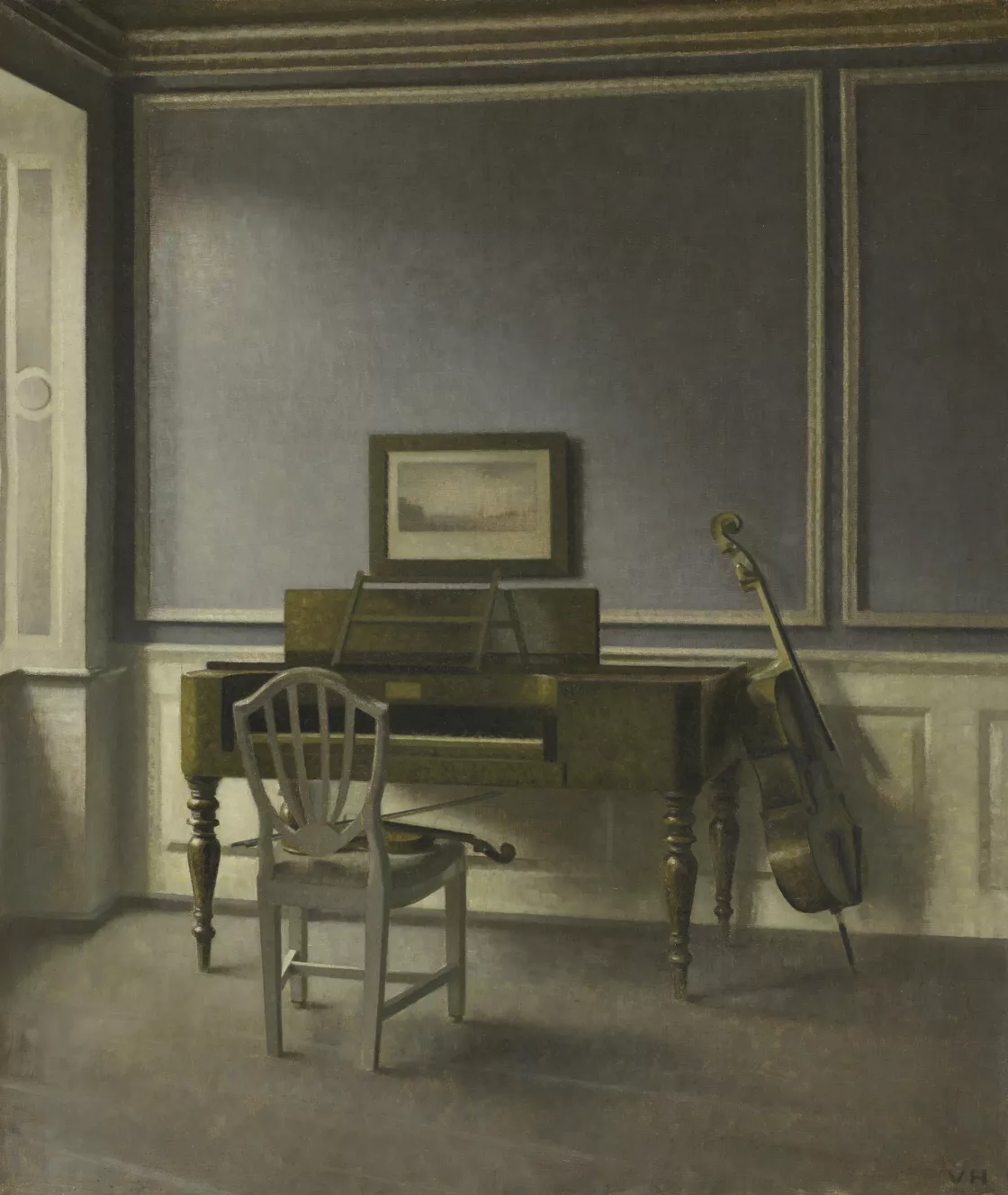
Grey, white, ochre, black.
Hammershøi's palette is extremely limited, but that is precisely where its strength lies: light and lines become the absolute protagonists.
What leads me to choose a motif is, to a large extent, the lines it contains, what I would call the architectural attitude of the image. And then the light, of course.
3. He always painted the same interiors
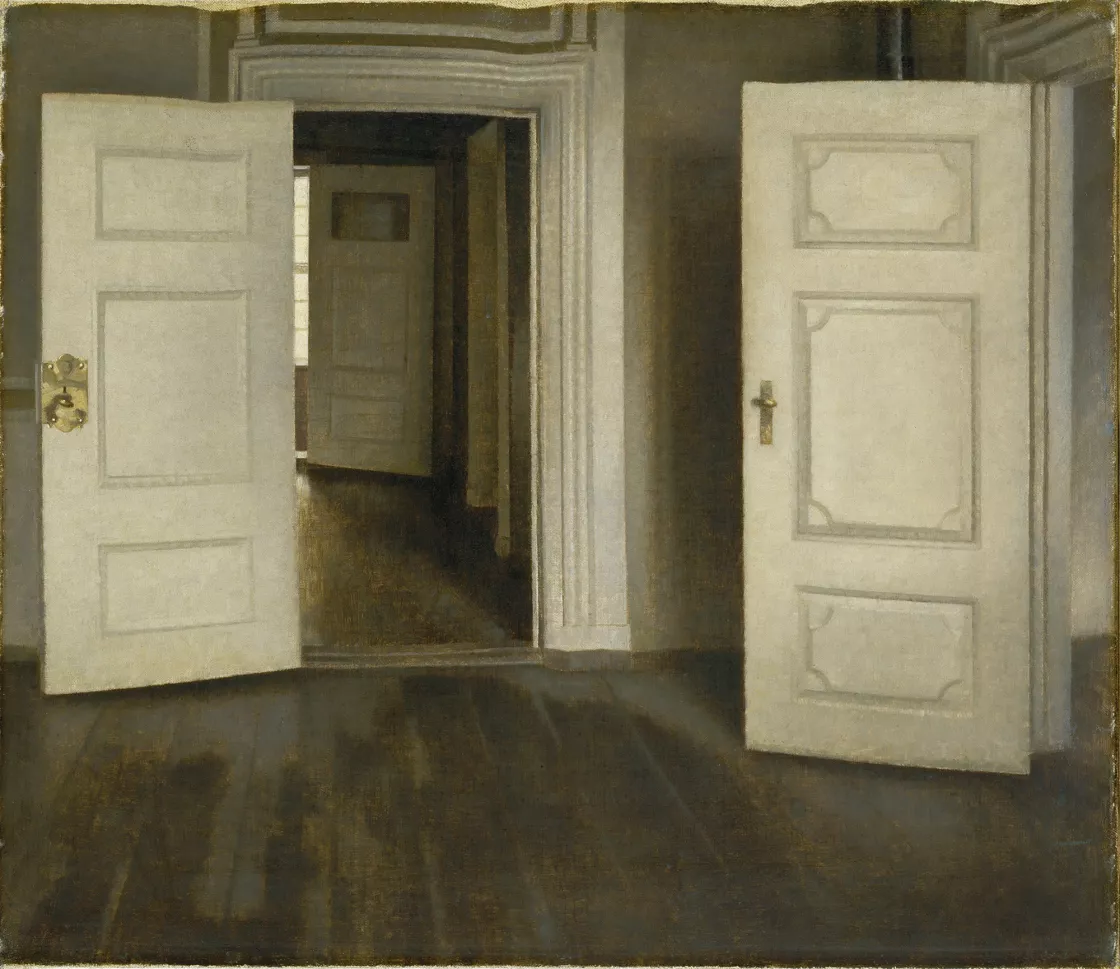
Much of his work takes place in the same location: his flat in Copenhagen. Each painting is different, even though the setting is the same and the half-open doors are a key motif, connected rooms that create depth and mystery. They invite the viewer to imagine what lies beyond.
I've mainly painted interiors... How did I get into it? It just happened. And now it's fashionable, everyone wants interiors, nowadays they hardly accept anything else.
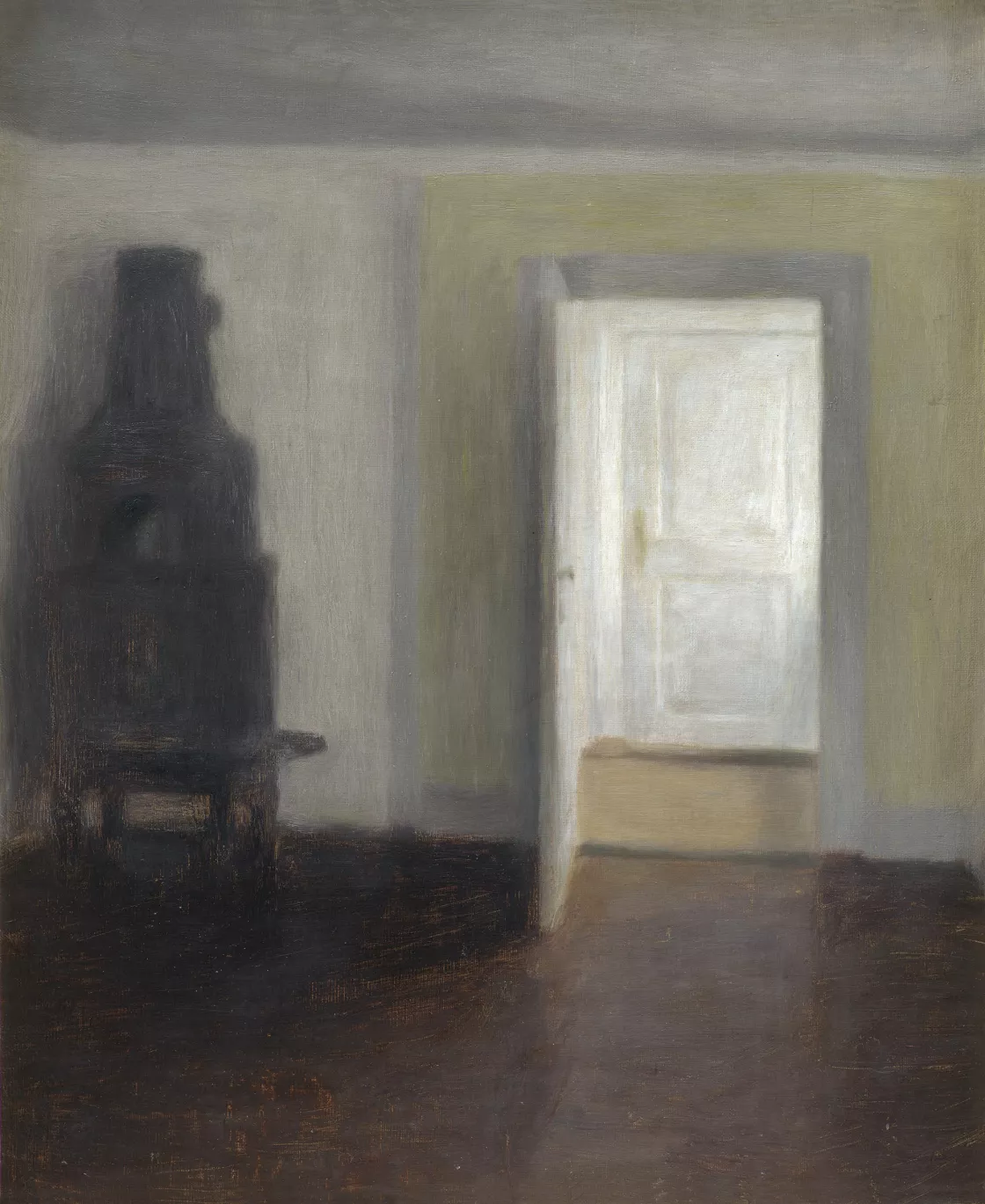
4. There are hardly any decorative objects
The interiors are almost empty.
Nothing distracts the eye: space, light and silence are the real protagonists.
His paintings have almost no narrative; there are no anecdotal elements that give rise to a story.
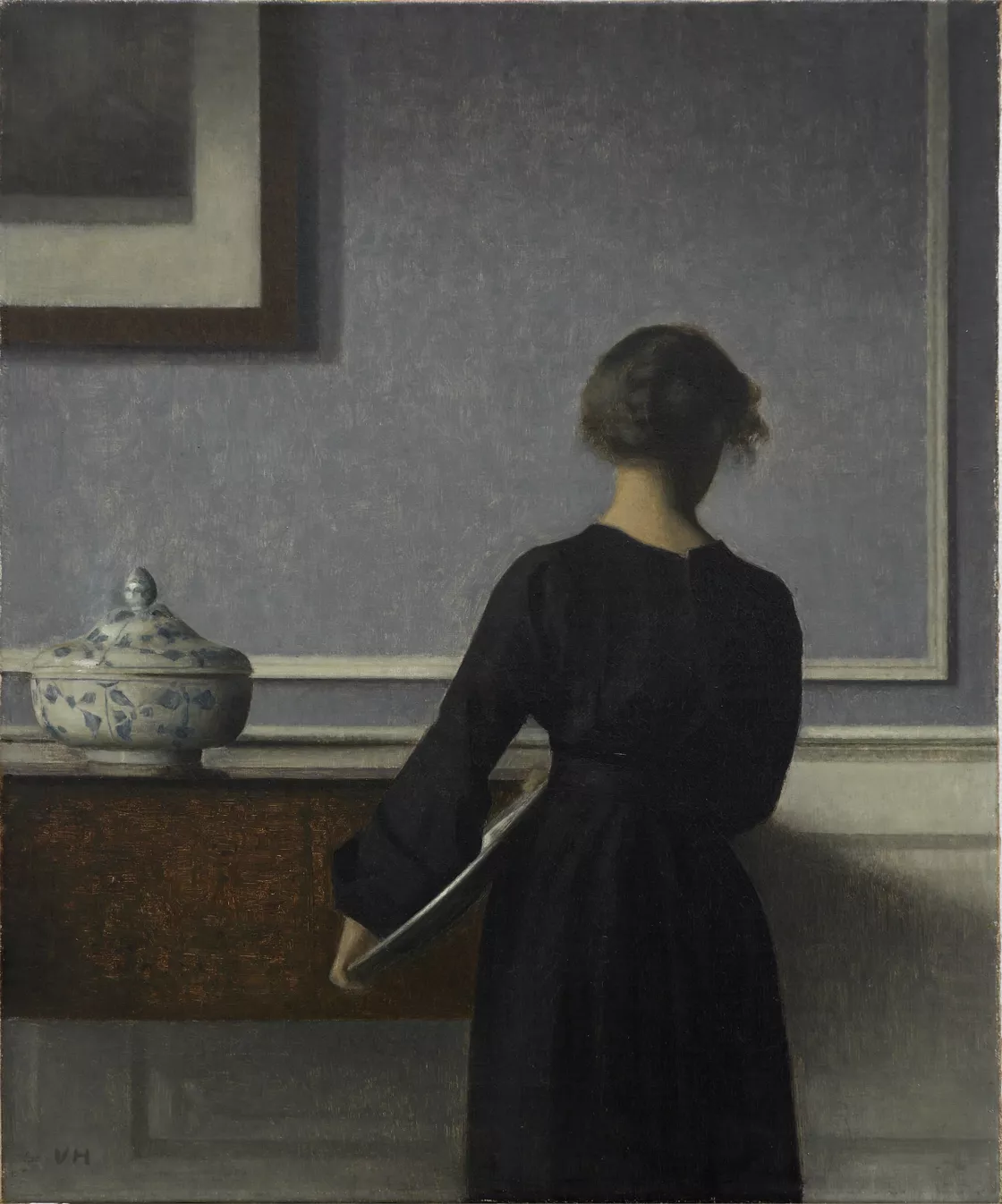
5. Many figures appear with their backs turned
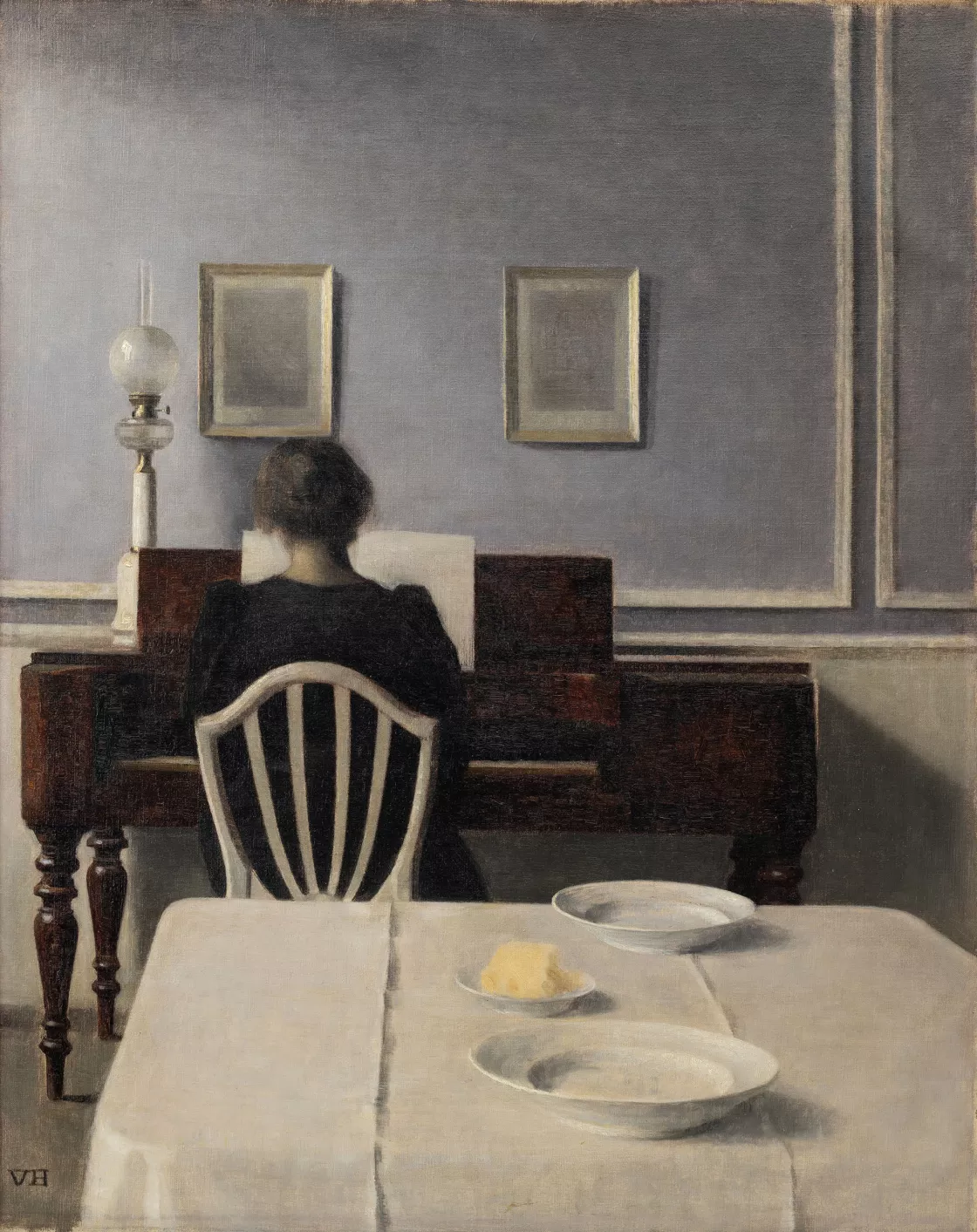
This is one of Hammershøi's most recognisable traits. We do not know what they are thinking or feeling, and it is precisely for this reason that the viewer completes the scene with their own emotions.
His wife was his main model: Ida Ilsted appears in numerous paintings, almost always with her back turned or deep in thought, contributing to the atmosphere of mystery.
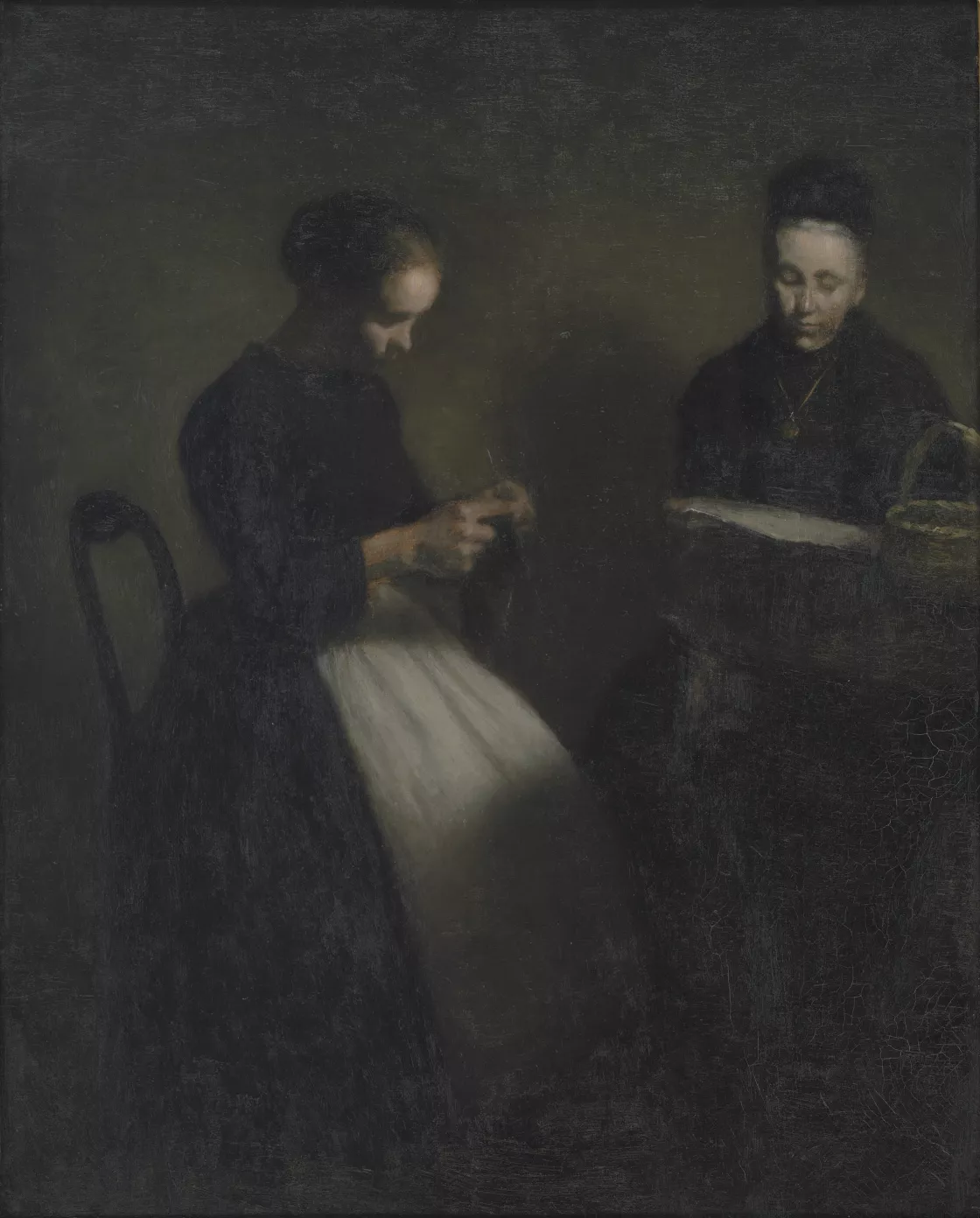
6. He was extremely reserved
He had a reputation for being a quiet man who was not very sociable, something that many associate with the introspective nature of his work.
I would hate to paint portraits in the sense of painting strangers who come and commission their portrait. That doesn't interest me; I would prefer to know them very well in order to paint them.
7. He was more interested in spaces than people
Although his paintings include human figures, these never dominate the scene. The real protagonist is usually the empty space.
I have always thought that there was great beauty in a room like that, even if there was no one in it, perhaps precisely when there was no one there.
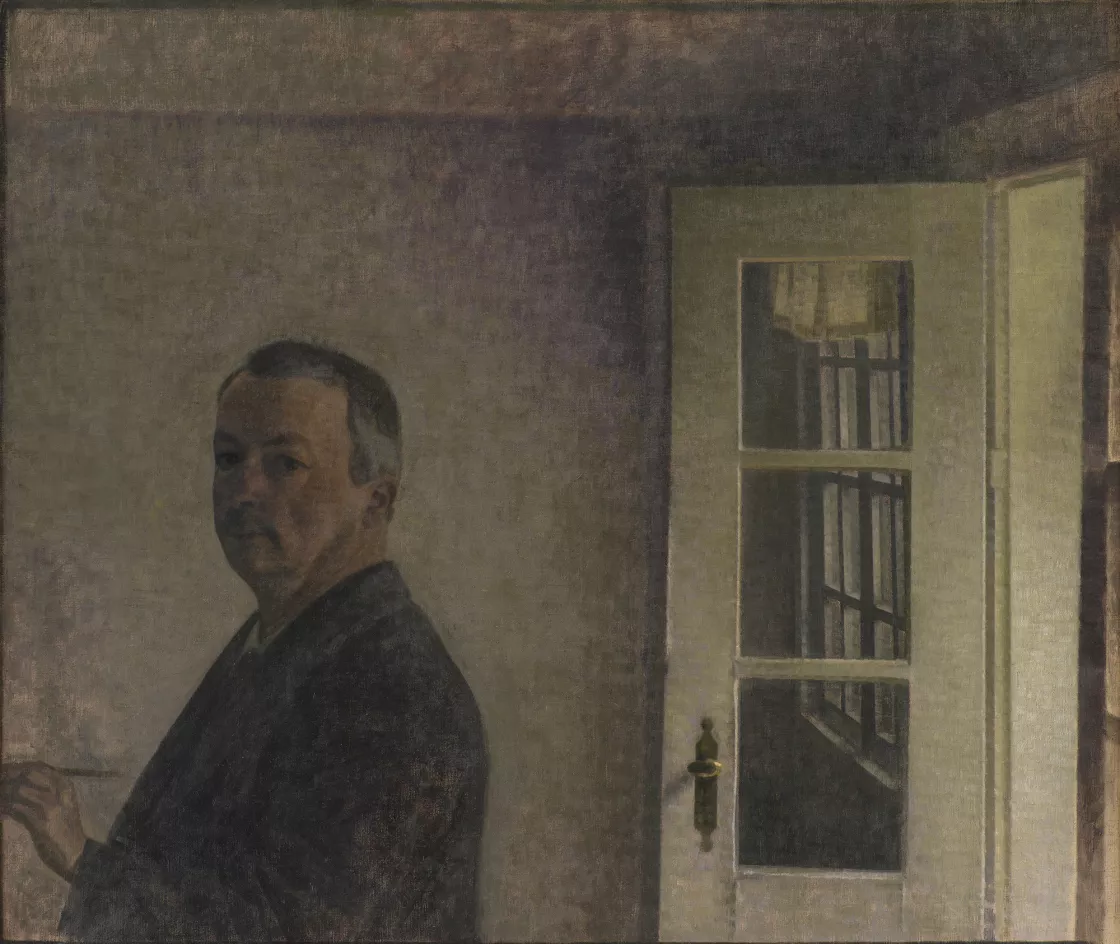
8. Today he is one of Denmark's most renowned painters
After falling into obscurity in the 1930s, his work was rediscovered and re-evaluated in the 1980s.
9. He did not seek explicit symbolism
Although his work appears symbolic, he never explained any hidden meanings. He preferred each viewer to interpret it freely.
10. He was an artist who was difficult to categorise
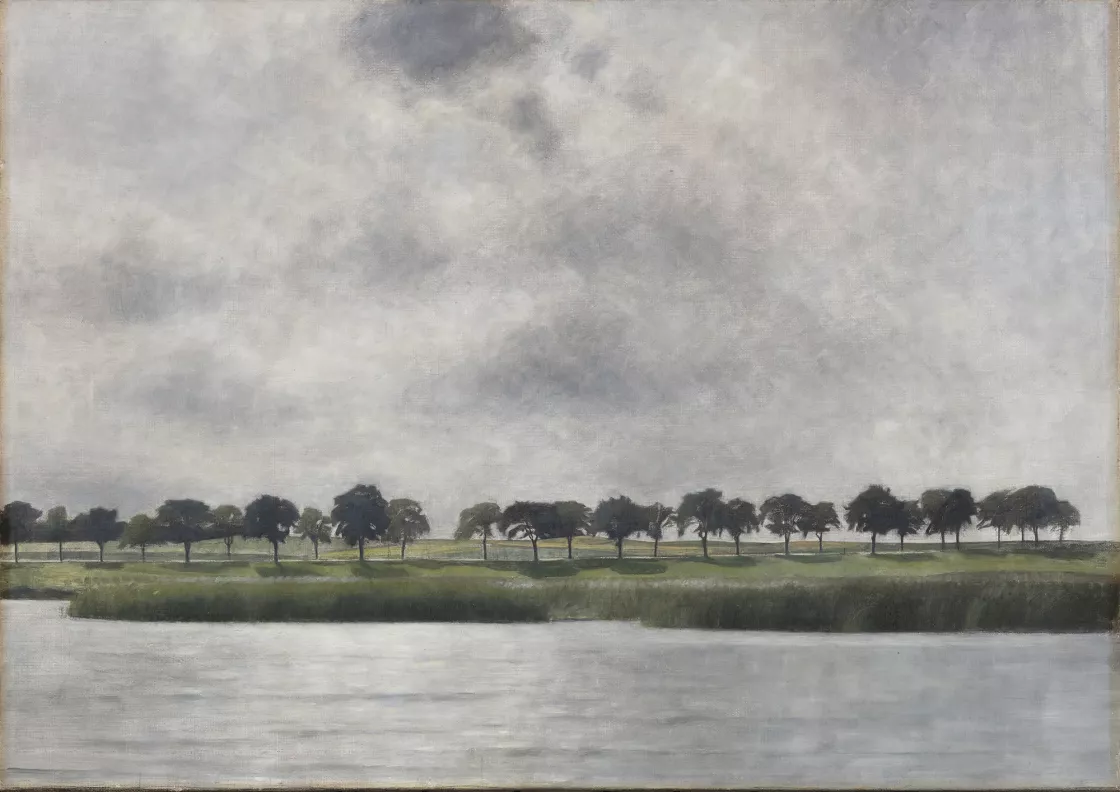
Hammershøi was a difficult artist to classify, not quite fitting into symbolism or realism...this uniqueness meant that for years he remained on the margins of the traditional artistic canon.
11. His painting has a timeless character
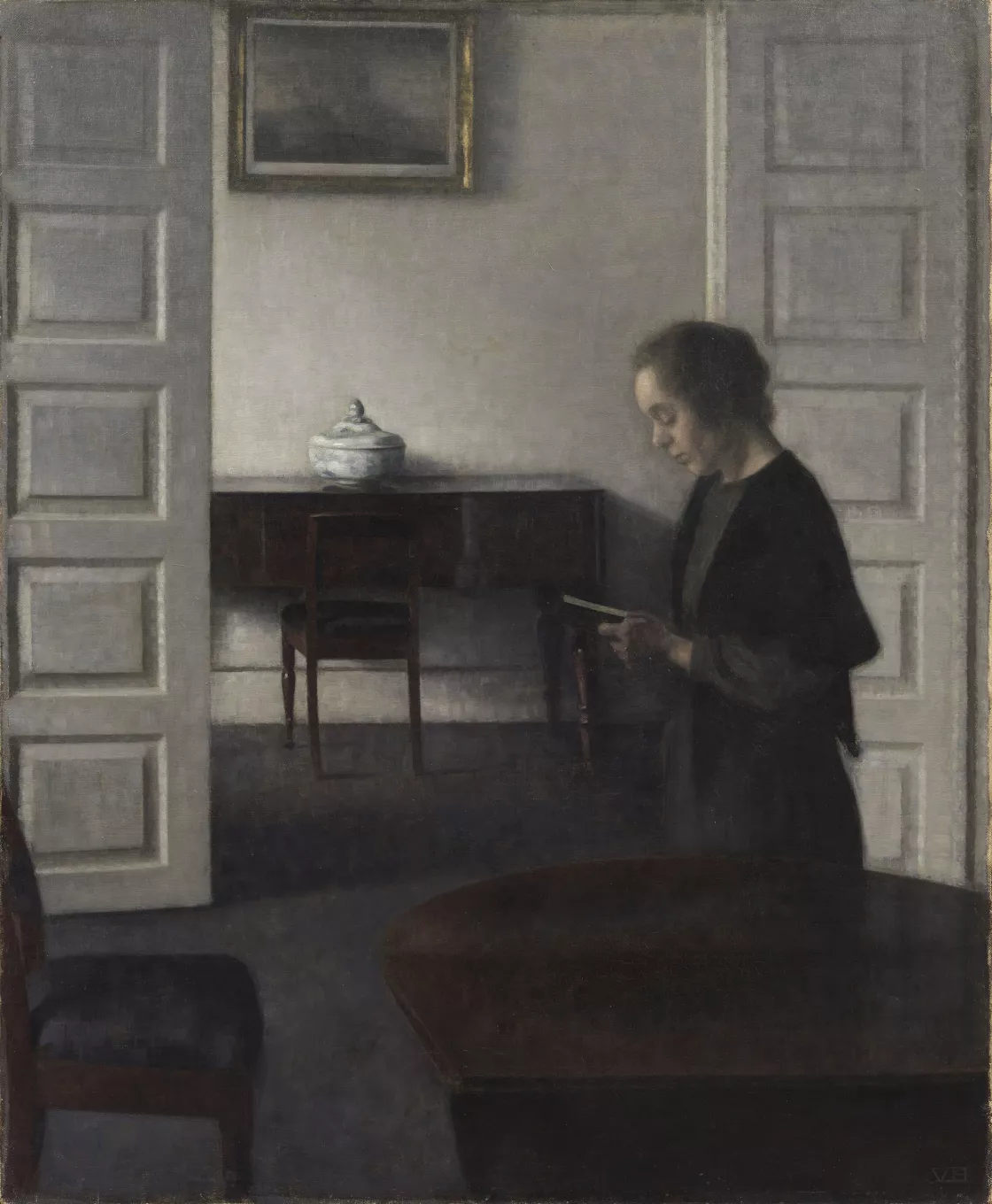
It conveys the feeling that time is suspended.
Although he lived between the 19th and 20th centuries, many visitors feel that his paintings could have been painted today.
12. Seeing his paintings in person is very different from seeing them on screen
Reproductions do not capture the nuances of light or the subtle variations in color.
Only when standing in front of the original work can one perceive the true rhythm of his painting: slow, restrained, and vibrant.