Rubens. The Restoration of Venus and Cupid
El vídeo de arriba es para uso exclusivamente decorativo dentro de está página.
Restoration and special display
The purpose of the restoration of Peter Paul Rubens’s Venus and Cupid was to return the painting’s original colours – concealed beneath layers of old, deteriorated varnish – to their full splendour and brilliance and bring its appearance closer to the artist’s original intention.
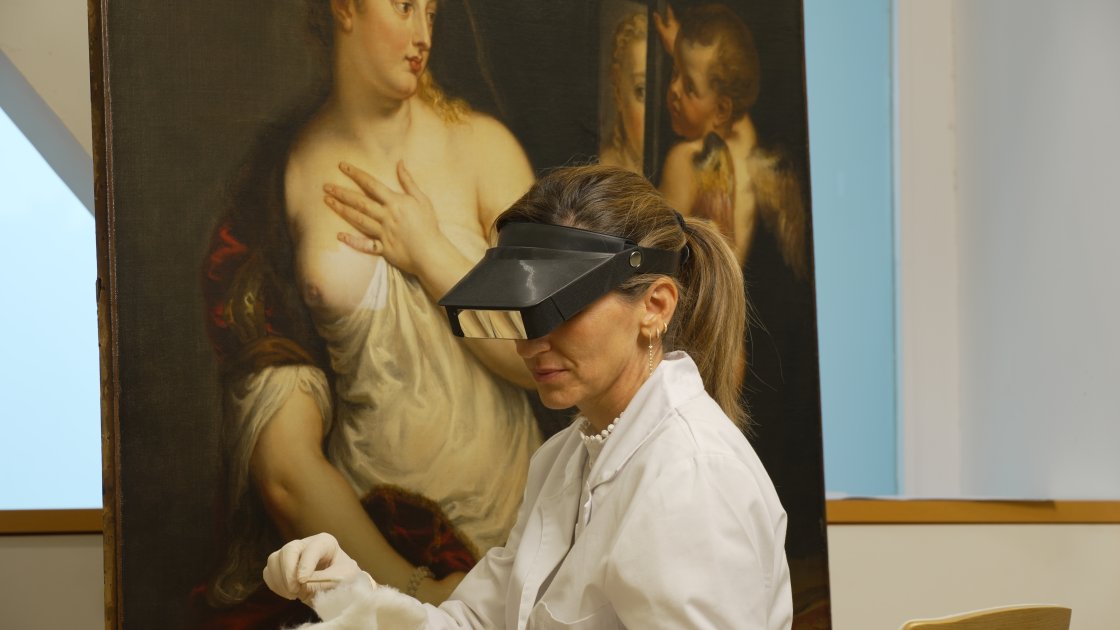
The Conservation and Restoration Department performed these tasks over the course of a year and a half. It began by conducting the necessary technical studies and laboratory analyses to gain an understanding of the physical and technical characteristics of the picture so as to be able to work safely and thoroughly.
The Restoration process
The treatment involved removing the oxidised varnish that covered the painting and completely distorted its intended appearance, as well as consolidating areas of the paint layer to secure and stabilise them with a view to ensuring their future conservation.
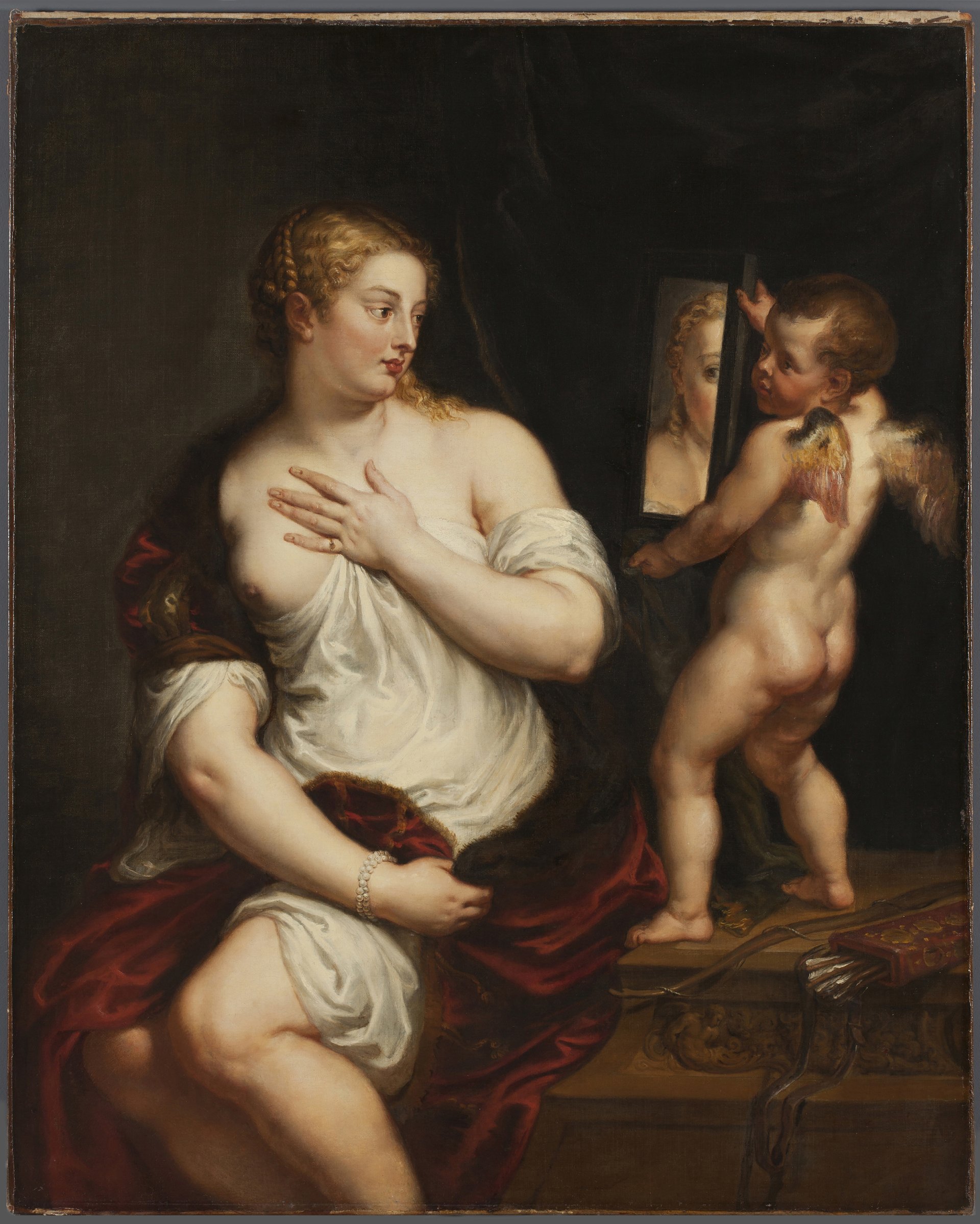
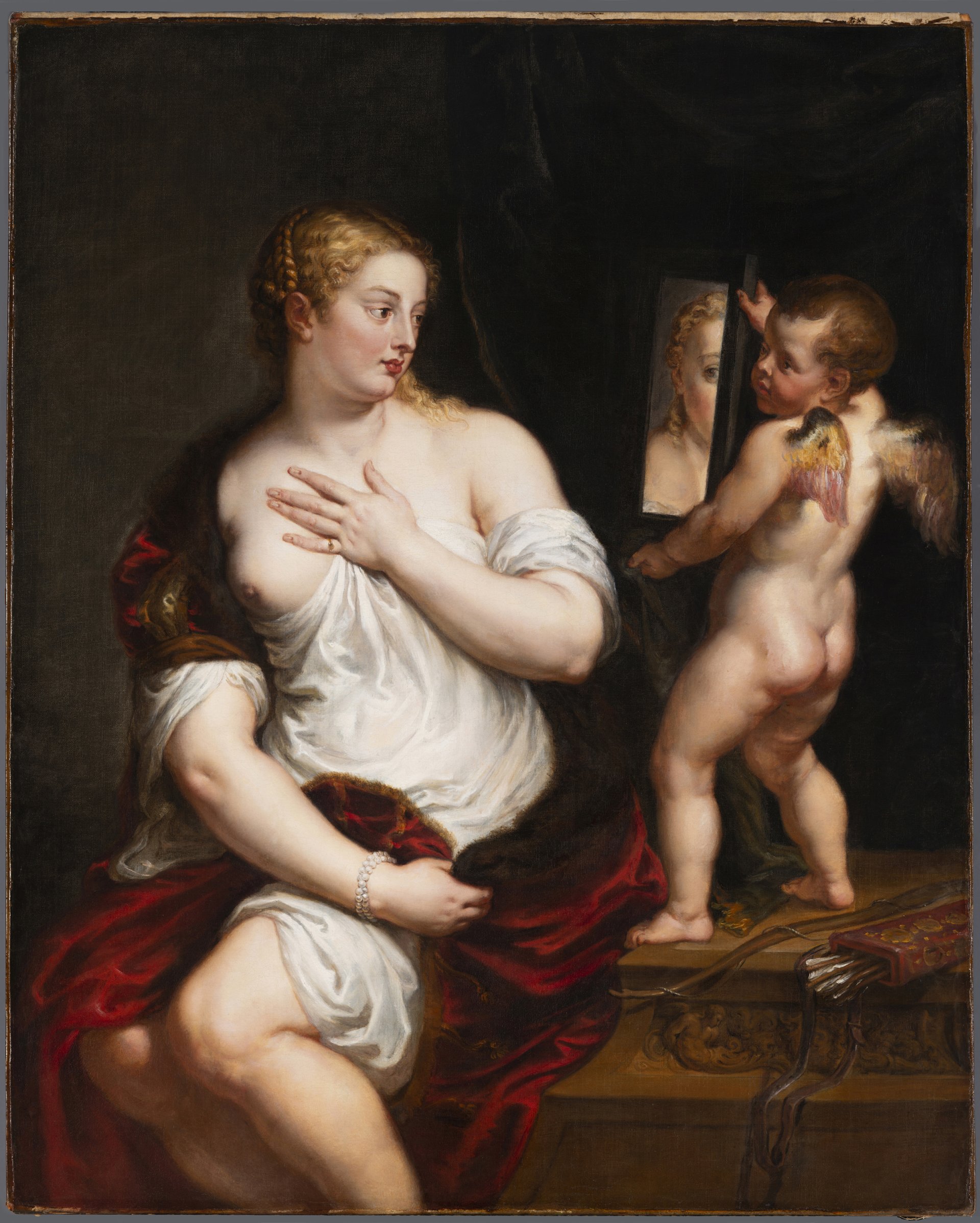
Venus and Cupid had already undergone restoration at least once in the past. As this work is not documented, it is not possible to specify its date or extent.
The original support is a single piece of canvas, which had been wax-resin lined at some point. This early intervention was probably prompted by damage to the support and was performed to reinforce the original canvas.
The edges of the canvas are trimmed flush with the painted area. This was common practice decades ago to ‘neaten’ the edges, which were probably in poor condition. The support is generally stable.
Although the paint layer is in good overall condition, the damage to the support had affected small areas, causing losses that had been addressed during earlier restoration by means of filling and retouching; however, the original picture had been overpainted in some of these areas.
It also exhibited some craquelure with slight, scale-like flaking.
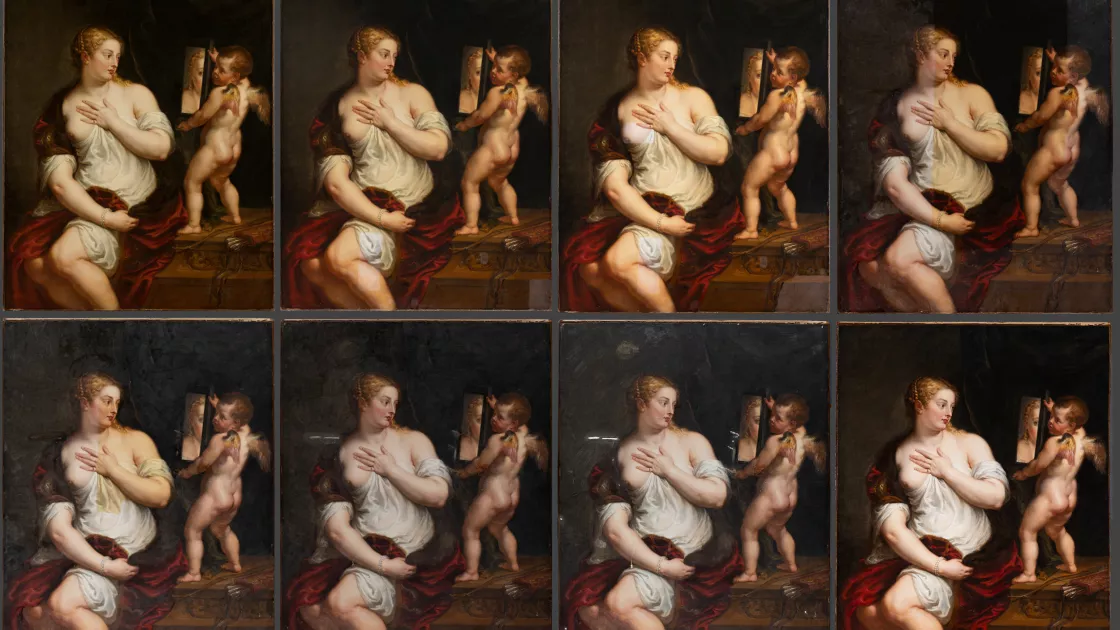
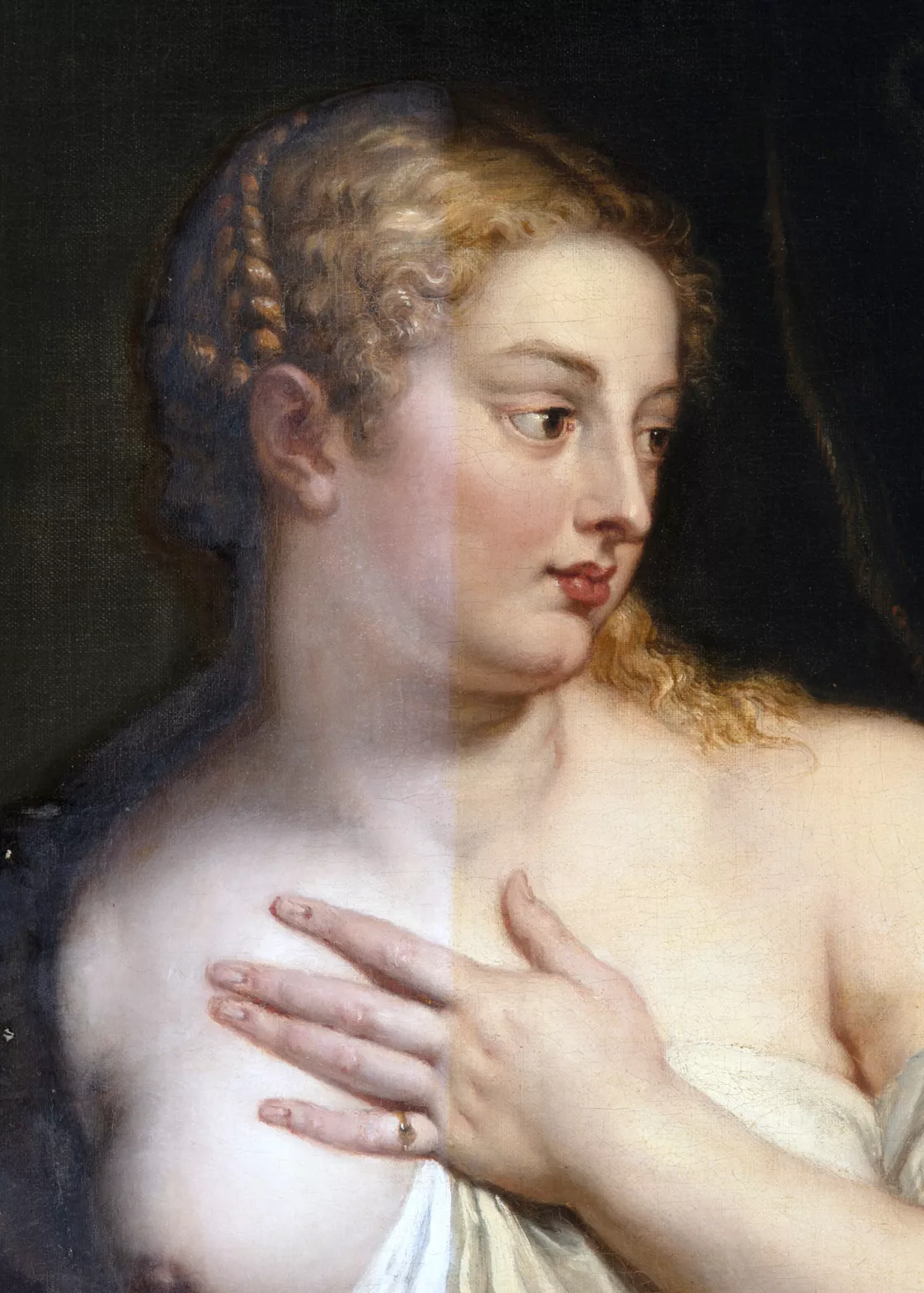
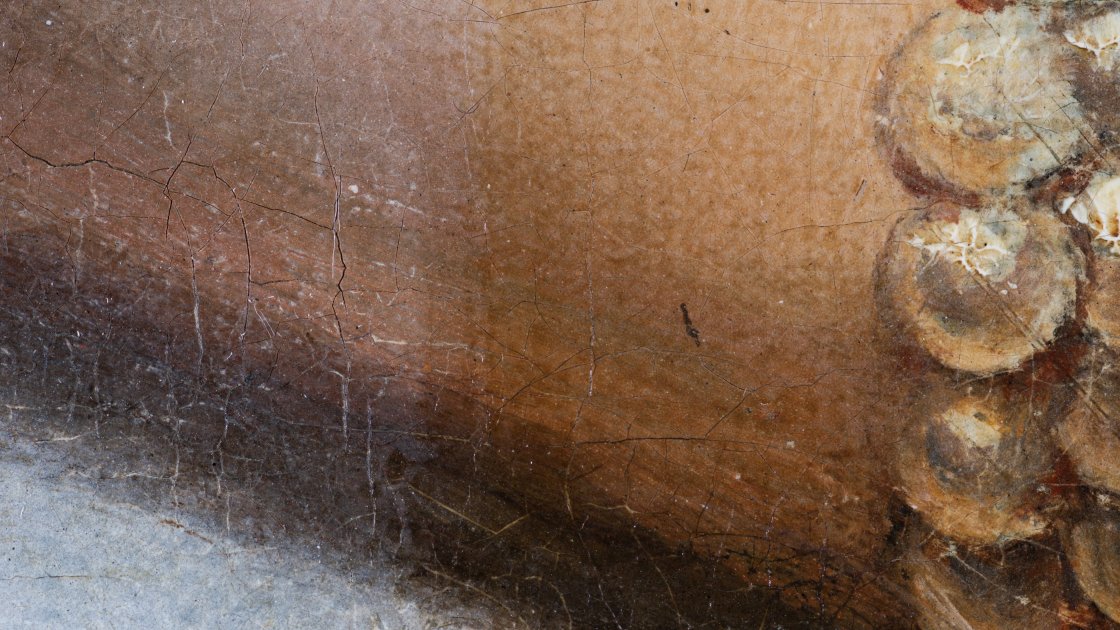
The varnish had aged considerably, with noticeable yellowing. This had altered the appearance of the colours throughout the picture, concealing subtle hues and hindering a proper appreciation of the artist’s original intention.
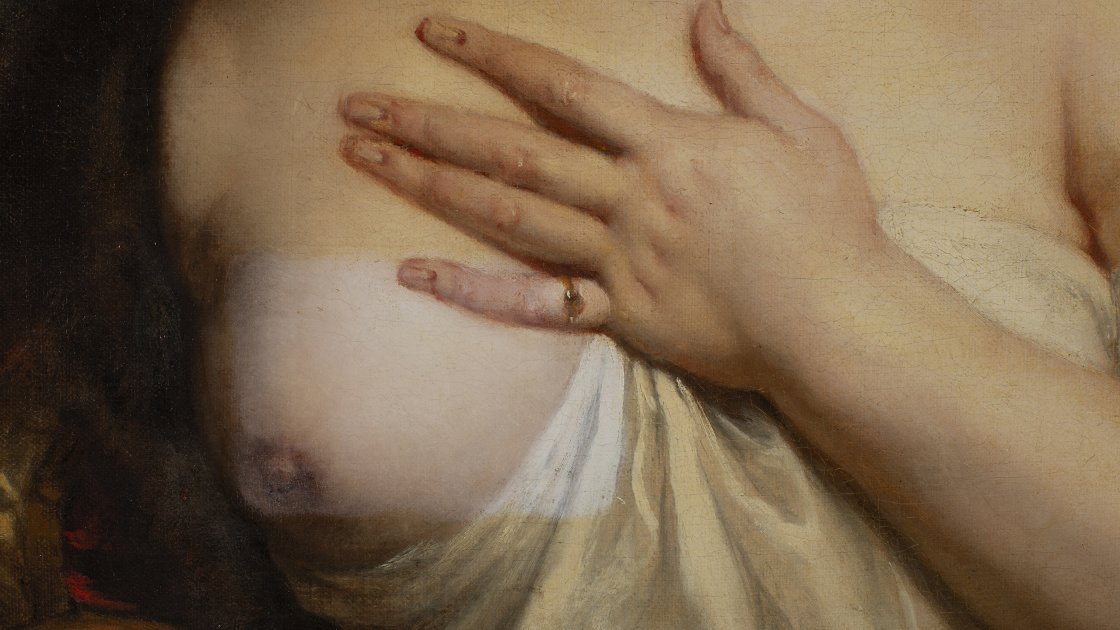
The restoration carried out involved removing the old varnish to bring back the original colours of Rubens’s painting, as well as stabilising the craquelure. It was evident that the deterioration of the varnish protecting the paint layer of Venus and Cupidwas completely interfering with the colour hues, being particularly noticeable in the light areas, such as the figures’ distinctive skin tones.
In addition, during the monitoring of the cleaning process carried out by the analysis laboratory, compounds consistent with a drying oil were detected on the swab together with the varnish that was removed.
The absence of pigment particles on the swab indicates that the oil did not come from the paint, but rather corresponds to a surface film, a final coating probably designed to enhance the lustre of the paint. A terpene resin (specifically rosin) and beeswax, characteristic of a varnish with a matte finish, were identified as the final coating.
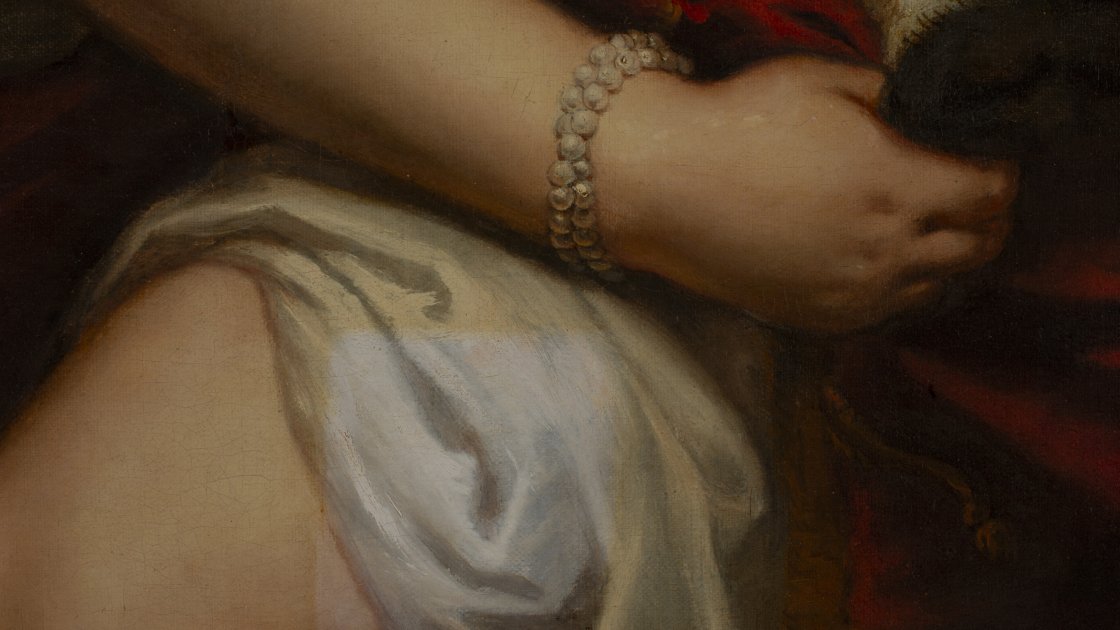
The photographs of details show the process of removing the yellowed varnish and demonstrate how the grime affected the visual interpretation of the work, distorting the viewer’s perception of its original colours.
The Contours
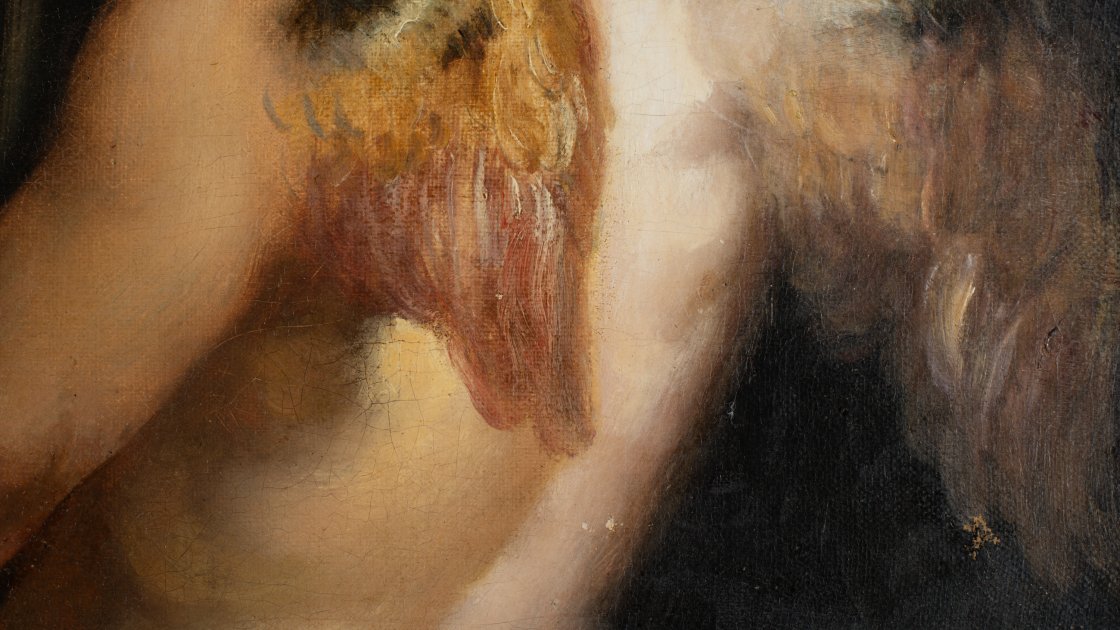
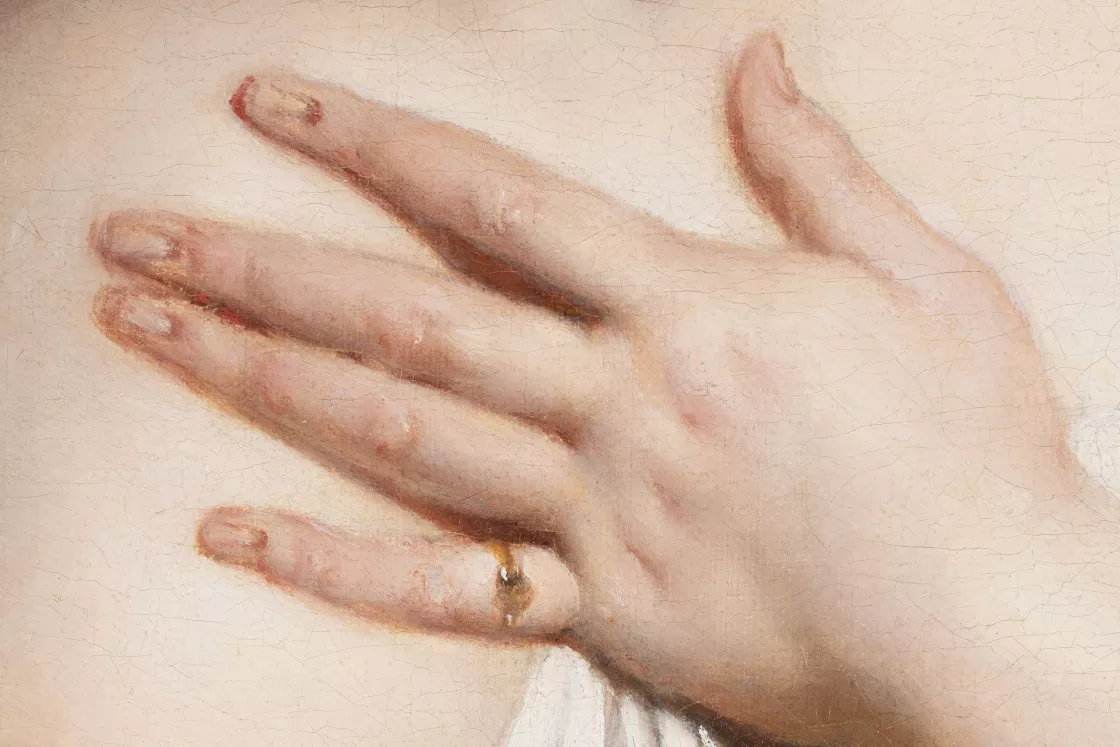
Rubens has a very subtle way of delineating or marking certain contours of the flesh tones with a reddish line, which he uses as a form of shading.
It lends a slight touch of vibrancy to these areas, though the red colour is only visible upon close inspection.
Although these contours are not immediately apparent, they are an essential part of the composition, as they create a very distinctive pictorial effect.
The Analysis of the materials
The study of the microsamples taken from the painting showed that the first layer applied to the canvas is a calcium carbonate ground.
A grey imprimatura composed of white lead, calcium carbonate and charcoal black was then added to serve as a base for the paint film.
The oil paint was subsequently applied in layers with lead white as the main white pigment, together with earth pigments, vermilion, minium, bone black, lead-tin yellow and azurite. The use of cochineal lake was identified in the red areas, both mixed with other pigments and applied as a glaze.
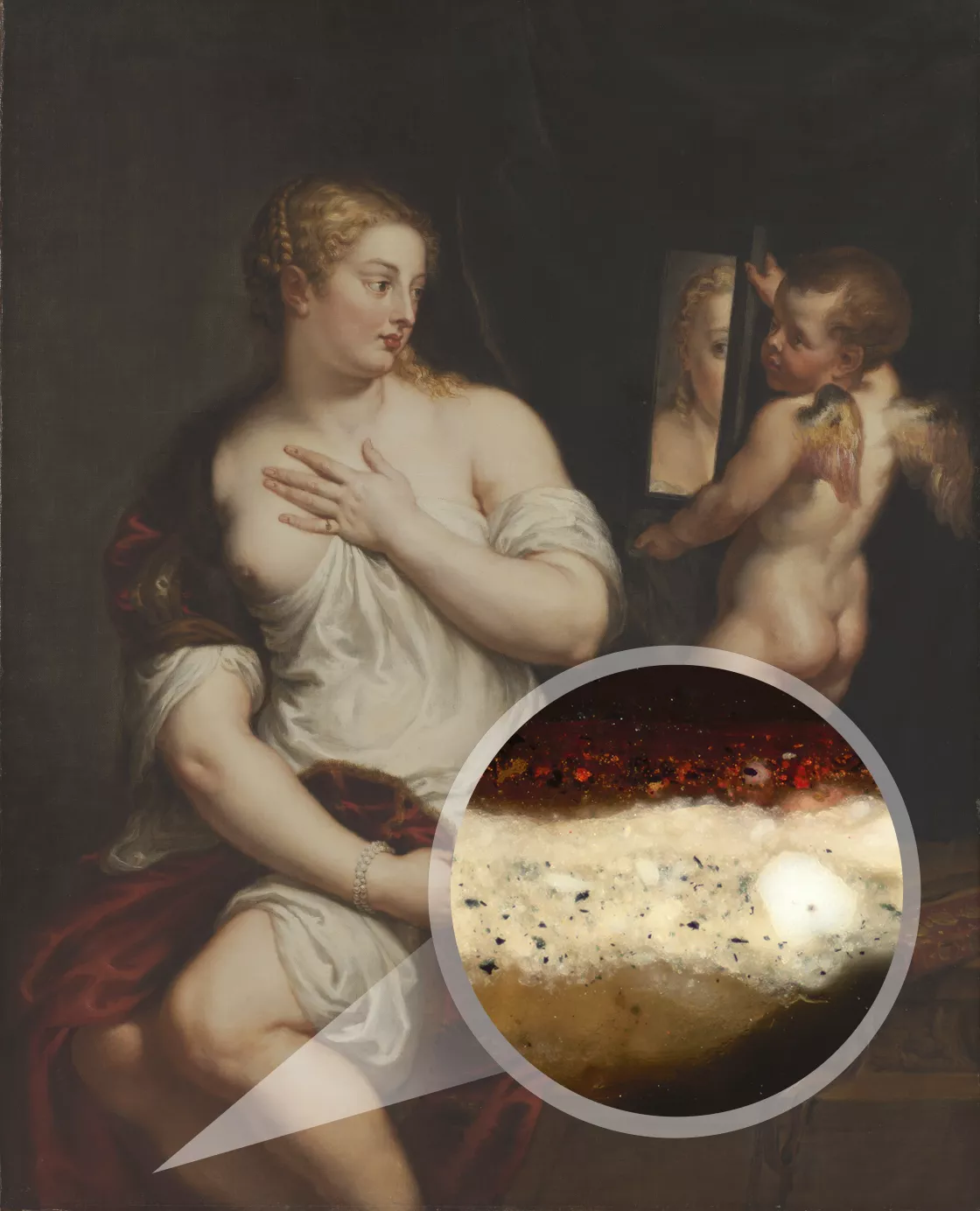
Cross-section of a microsample
Taken from Venus’s red robe in the lower left side of the work
The sequence of paint layers is indicated, from the ground to the varnish. (MPlan 20X/0.45 objective)
The cross-section shows that the first layer applied to the canvas is a calcium carbonate ground (1). A grey imprimatura composed of lead white, calcium carbonate and charcoal was applied over it as the base for the execution of the painting (2).
It was followed by a white layer containing mainly lead white and small quantities of calcium carbonate and silicates (3). Rubens probably applied this layer as dead colouring or a local imprimatura in the areas reserved for painting Venus and Cupid, with the aim of enhancing the luminosity of the figures.
Finally, numerous fine brushstrokes of red were applied, identified as cochineal lake mixed with vermilion, grains of bone black and red earth, ending with a red glaze also made from cochineal (4–6). The final layer consists of a thin film of varnish (7).
The X-ray study
The X-ray image of this painting reveals key information about how it was created.
It is known that Rubens admired Titian and used to make copies of his works during his stays at the Madrid court; this picture is among those he kept in his studio. As it is a copy, X-radiography detected few changes beneath the painted surface.
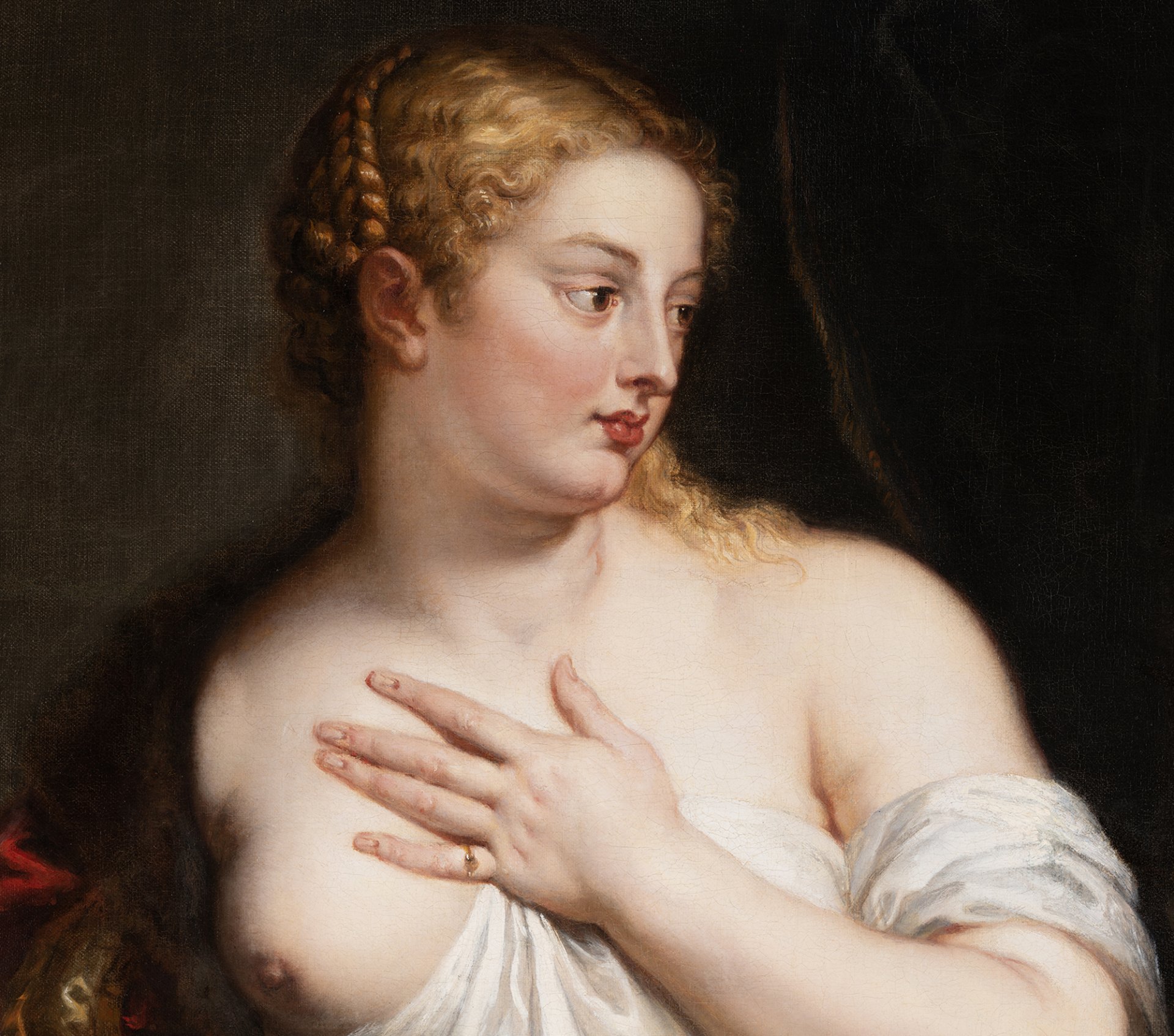
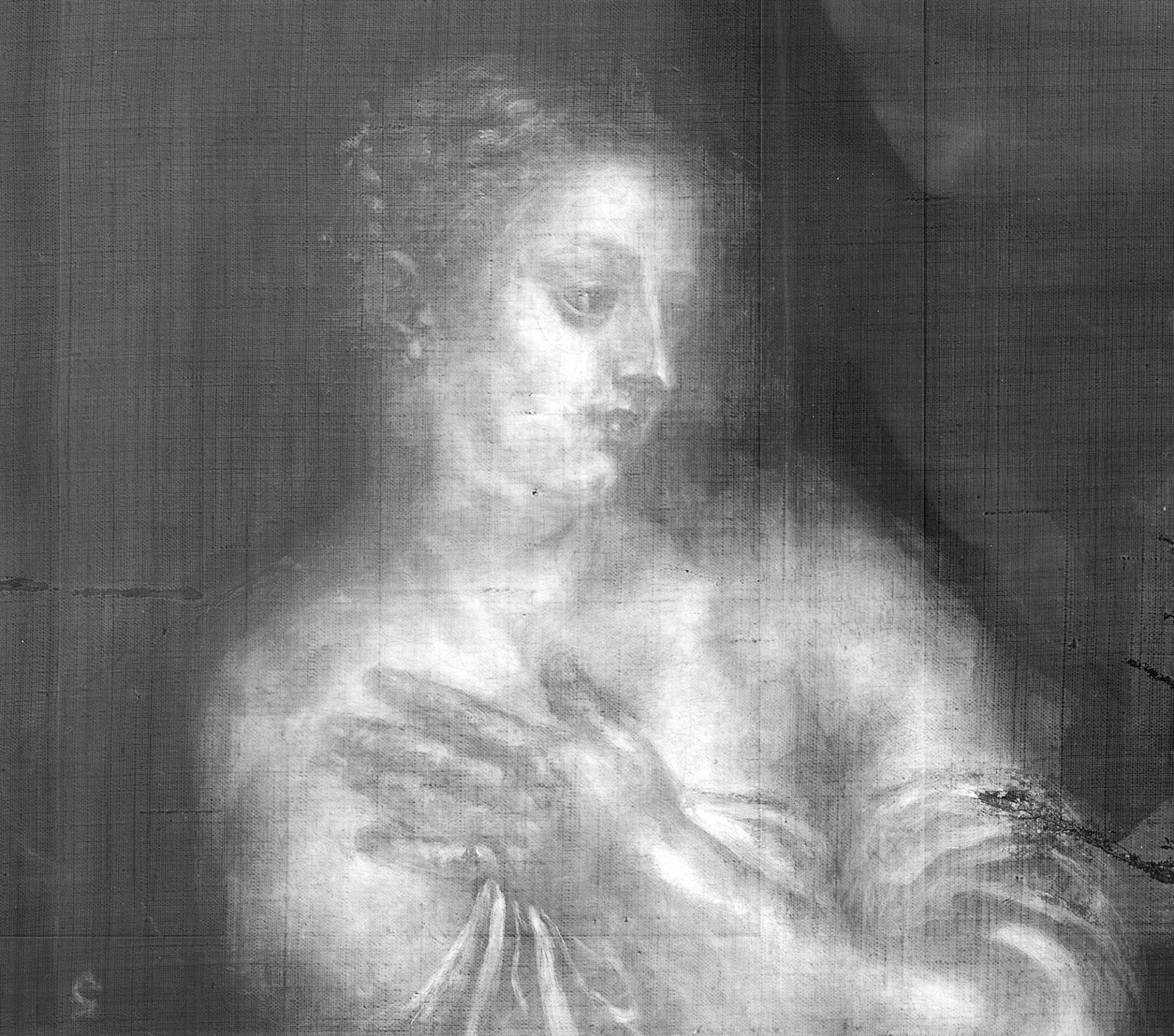
In the X-ray image, a white underlayer can be made out beneath the figures, which Rubens applied as an imprimatura. This layer of paint, composed of white lead, was applied with a priming knife or spatula, leaving a distinct imprint of geometric shapes.
Its purpose was likely to lend luminosity and volume to the flesh tones in contrast to the dark background.
The painter knew that applying a white layer before painting the bodies would achieve a very powerful aesthetic effect when light fell on them. However, the imprimatura was applied more lightly to the female figure.
The hidden work
The X-ray study shows that the painting is in good condition. Only a few isolated tears are visible in the central area between Venus and Cupid, beneath Venus’s right arm and at the level of her shoulder. They are probably the reason why the canvas was wax-resin lined at some point. The original support is a single piece of plain-weave canvas. It has been cut down on all sides, most likely to neaten the edges.
In addition, tension garlands can be seen around the perimeter, caused by the canvas shrinking as the preparatory layer dried. These are less pronounced at the upper edge, probably because more canvas was cut away from this side than from the other three.
The X-ray image also reveals a highly refined painting technique: in the figures, Rubens applies rich layers of oil paint, as if taking delight in building up areas of dense impasto. These contrast with the background, which appears almost unfinished, rendered with very thin layers of brown paint and curtains that are barely hinted at. This compositional method is characteristic of the Baroque style.
In this detail of the mirror, marks left by the spatula or priming knife are visible where the lead white imprimatura was applied very liberally, extending beyond the outlines of the figures and the mirror. These rhomboid-shaped indentations can be seen in the upper area as well as in the face and the area of the arm.
Cupid
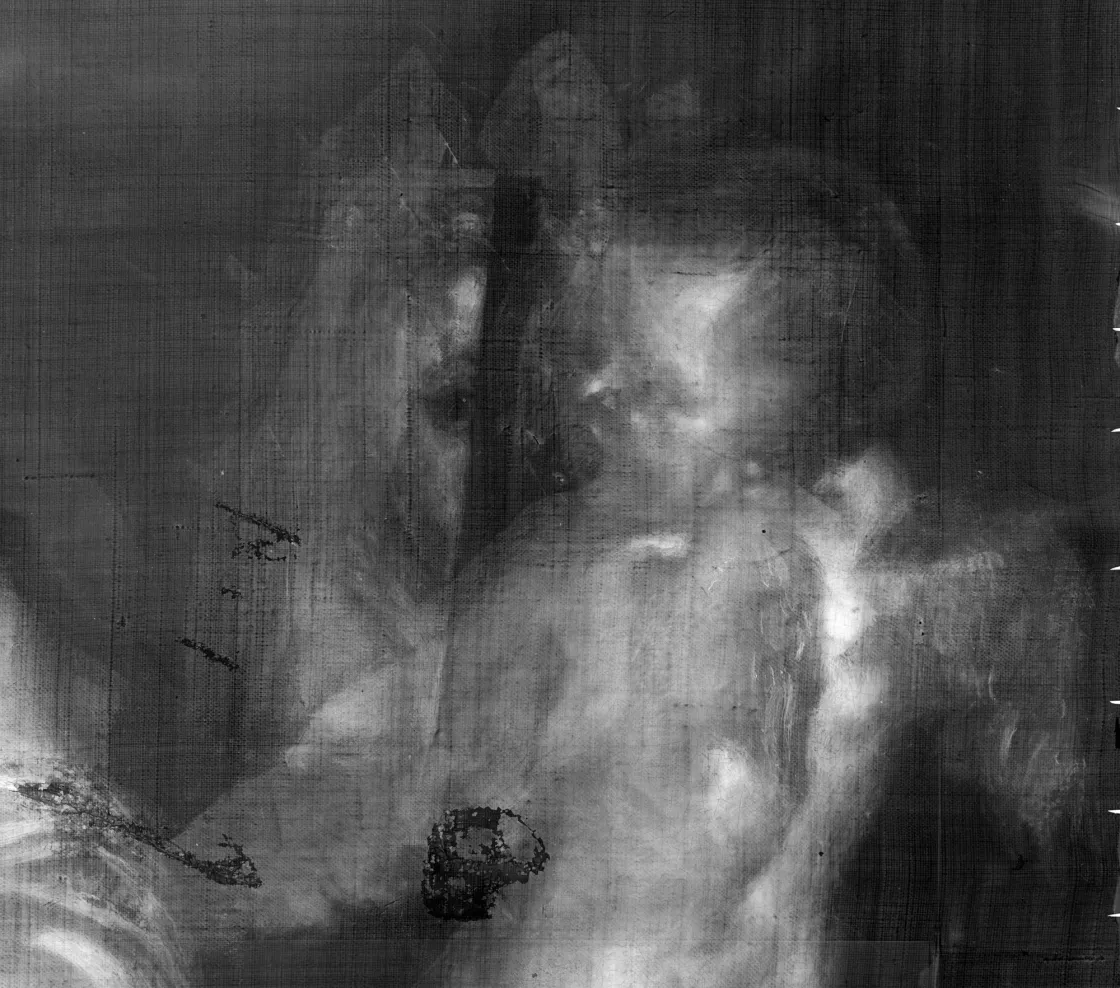
Alterations to the position of Cupid’s feet can be seen when the visible image is laid over the X-ray. Rubens changed the position of his right foot and finally painted it foreshortened, pointing towards the background. The left foot, however, is painted slightly lower than originally intended, as seen in the X-ray.
There are also differences in the arm and the outline of the left thigh. We can conclude from all these differences that the artist applied the imprimatura over the figures’ outlines and subsequently adjusted the anatomies, particularly that of Cupid.
Infrared reflectography
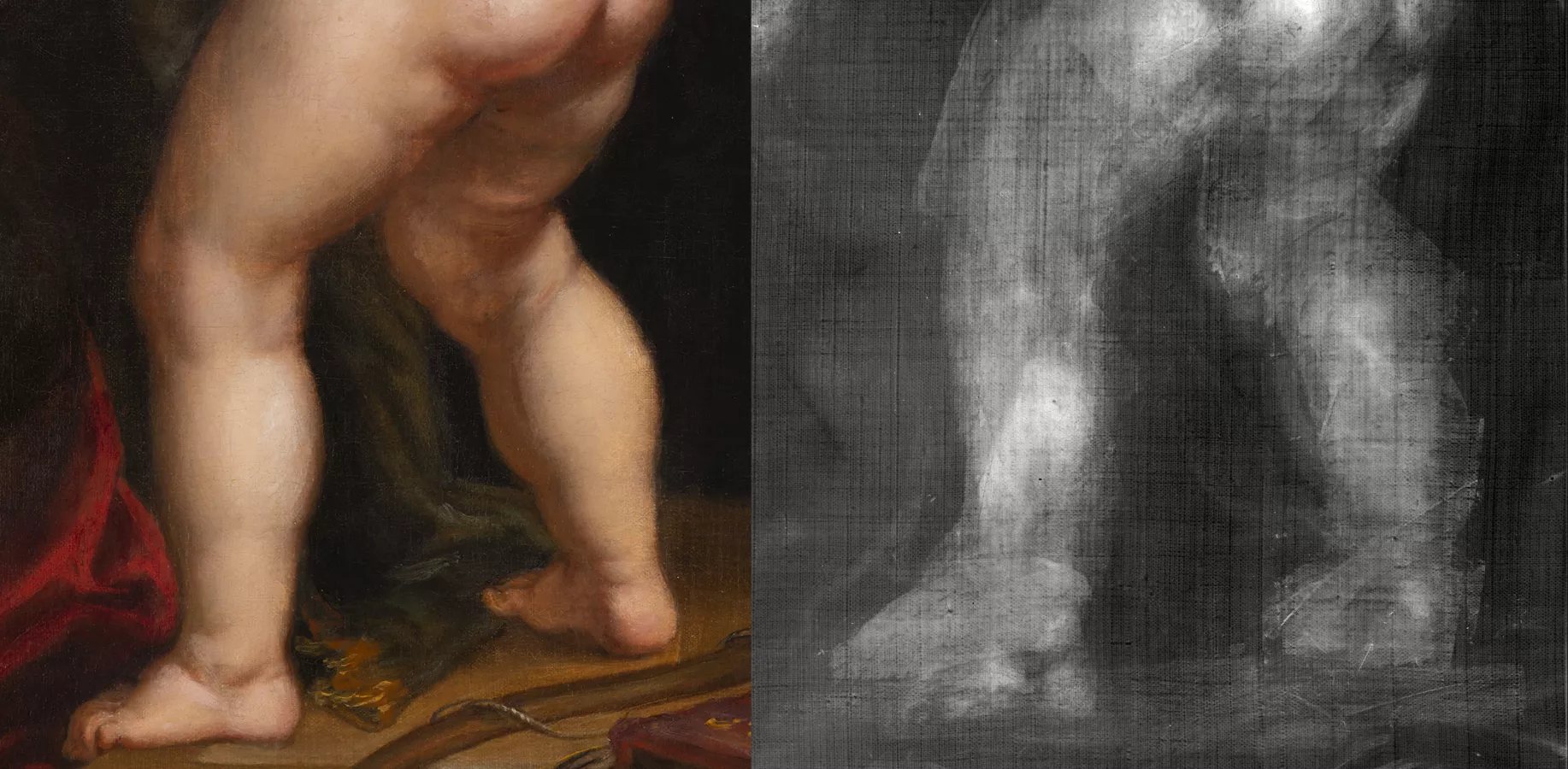
Infrared imaging – called infrared reflectography (IR) – reveals a composition that was very clearly defined from the outset.
In this detail of the infrared reflectogram, we can see how the artist clearly draws Cupid’s facial features, as well as the reflection of Venus’s face in the mirror, including the subtle curls.
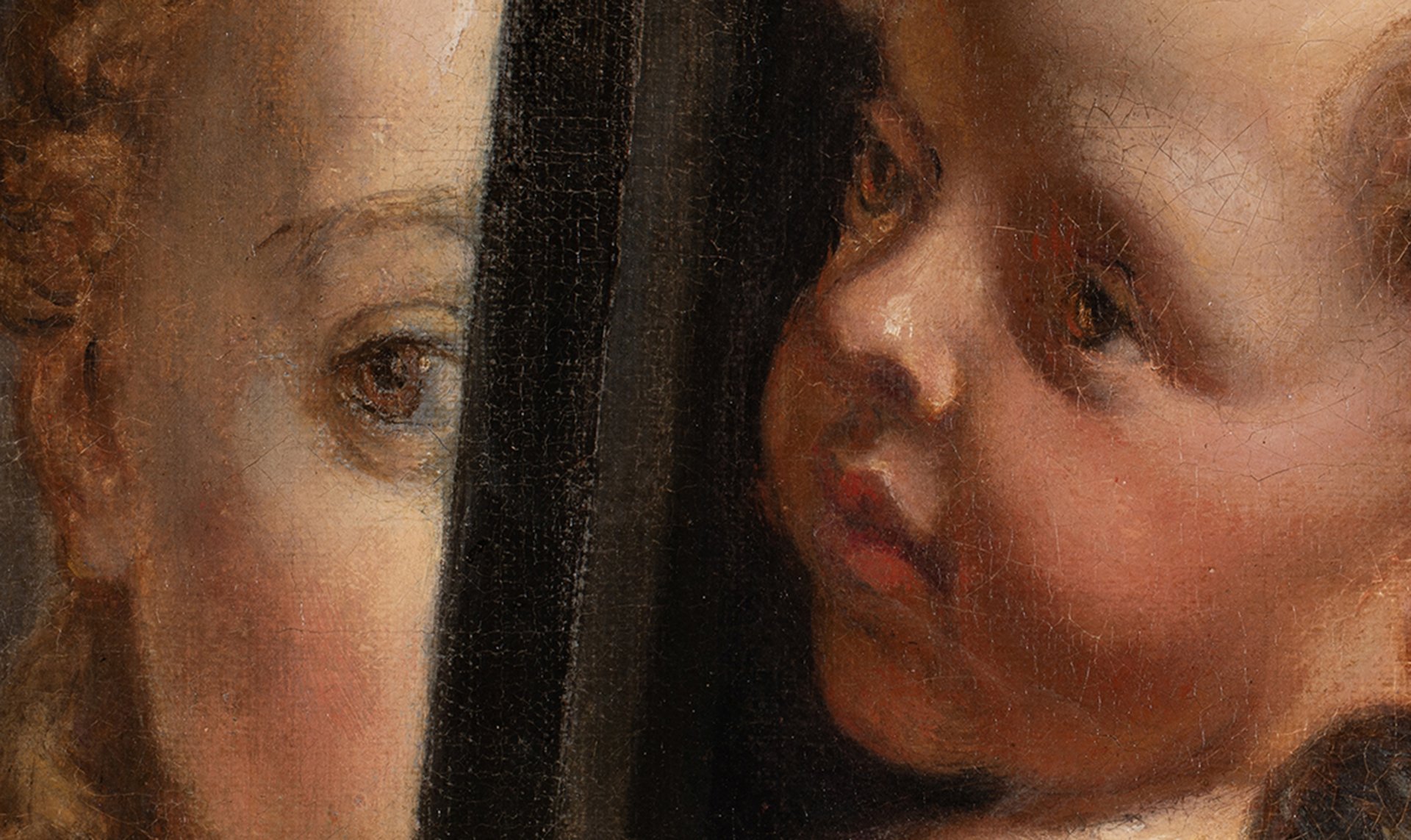
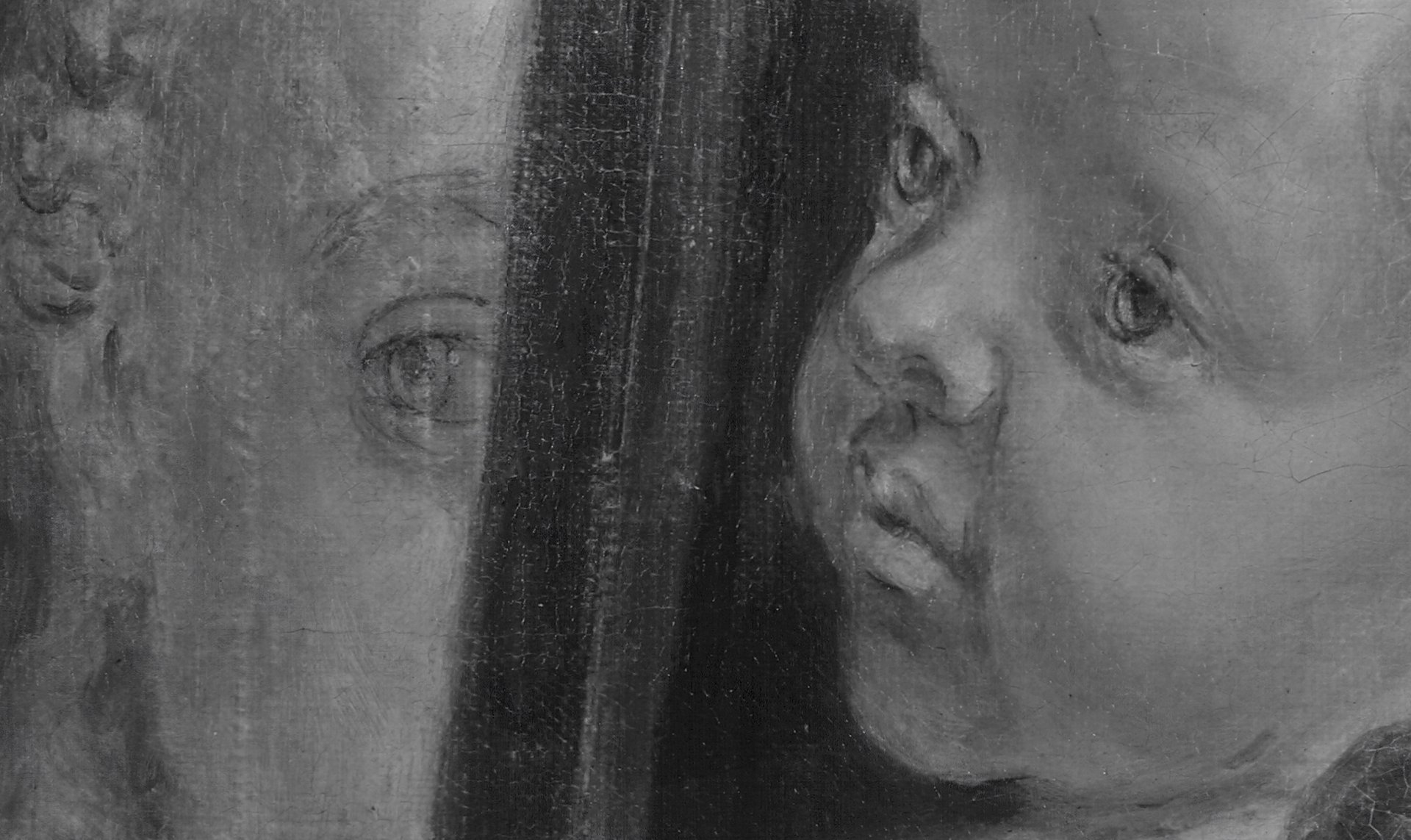
The underdrawing is clean and very firm, particularly in the areas that Rubens subsequently painted in greater detail.
Since this picture is actually a copy of a painting by Titian, the compositional elements fell into place very clearly from the initial stage, which is why Rubens made no changes to the drawing. However, the greater emphasis on the figures compared to the rest of the work highlights the artist’s intention to define them with more detail and precision.
He also clearly accentuates the surface Cupid is standing on in the lower right-hand area – a table, decorated on the front – where the bow and quiver of arrows lie. Here, we can see the straight lines that delimit the structure, as well as those defining the decorative reliefs.
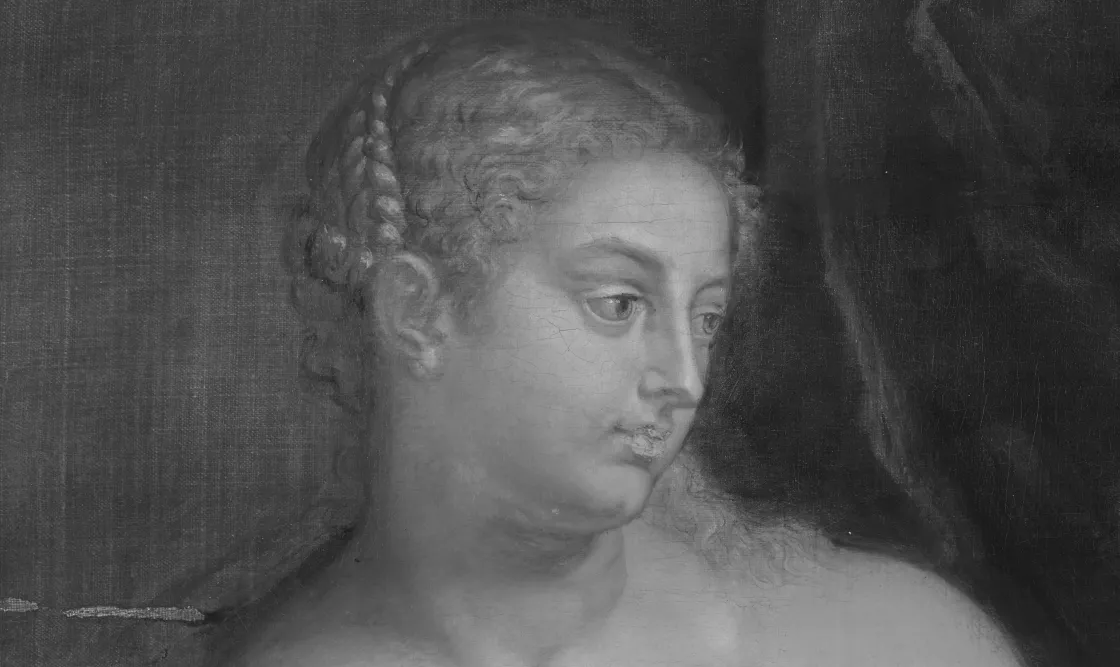
The underlying composition
A precise drawing of the contours of Venus’s face can be distinguished. In her hair, Rubens takes great care over details such as the plait and the small curls forming at the hairline, as well as those falling on her shoulder. The contours of her eyes, nose and ear are also visible.
This detail illustrates the delicacy with which the painter renders each of the pearls of the bracelet on Venus’s wrist. His meticulous and precise method of execution enables him to fully define each of the beads that make up the piece of jewellery.
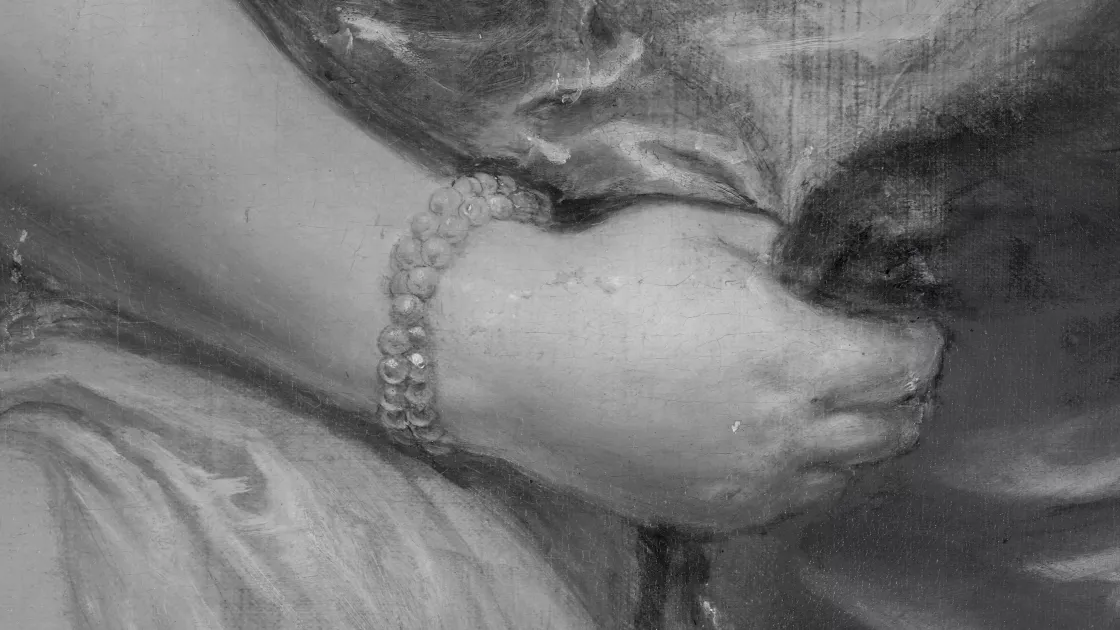
The Venus and Cupid Frame
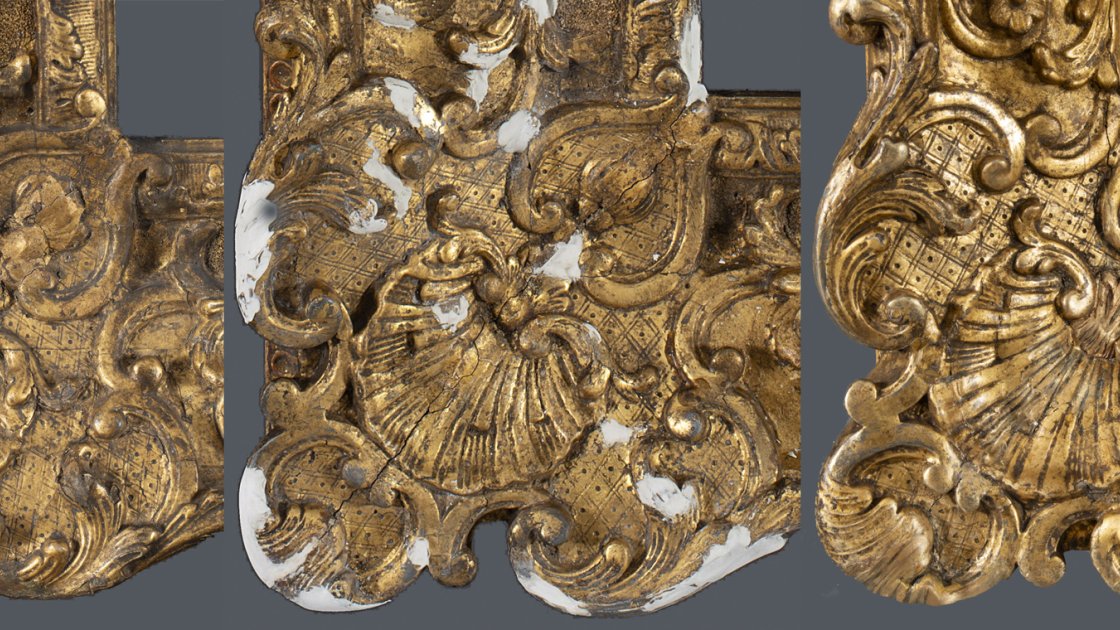
The main challenge was to clean the frame without losing the effect of the passage of time.
This is a French Régence-style frame; it is a later, revival design – that is, the frame does not date from the same period as the painting. Régence encompasses a transitional period between the Baroque and Rococo styles and is characterised by a shift away from rigidity towards more flowing, curved lines.
The corners and centres have greater ornamental importance. As in this case, decorative motifs such as shells (coquilles), palmettes, floral and plant motifs, and backgrounds with diamond-shaped patterns (quadrillage) are found. These motifs are used symmetrically.
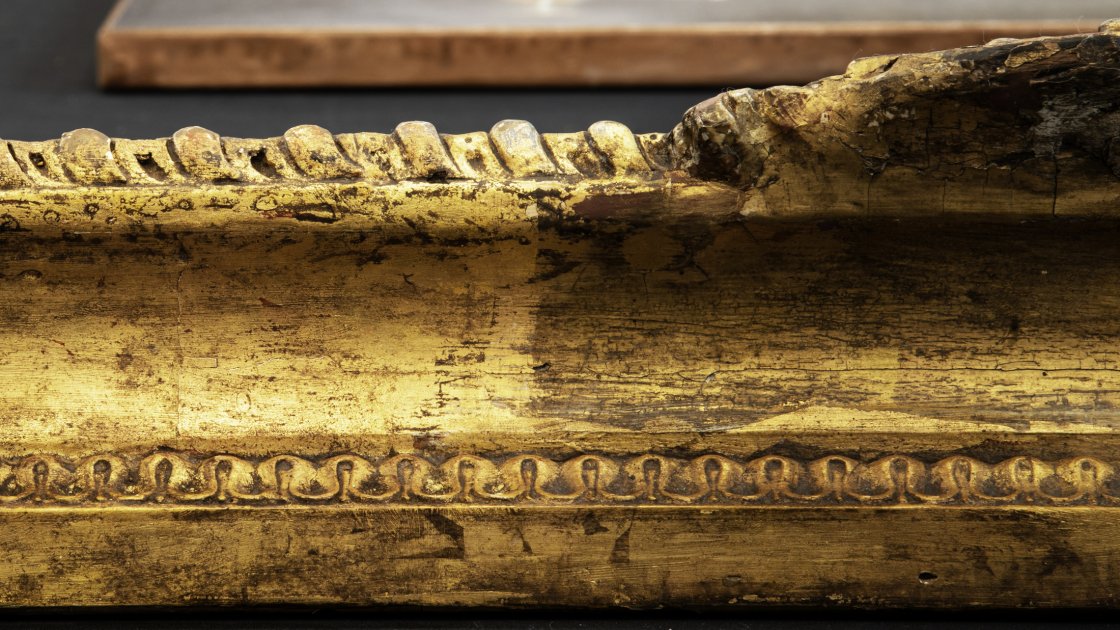
D The sanding technique on the frieze is particularly noteworthy; this is achieved by applying fine sand mixed with glue. The frame is made of carved and water-gilded wood and combines glossy and matte areas.
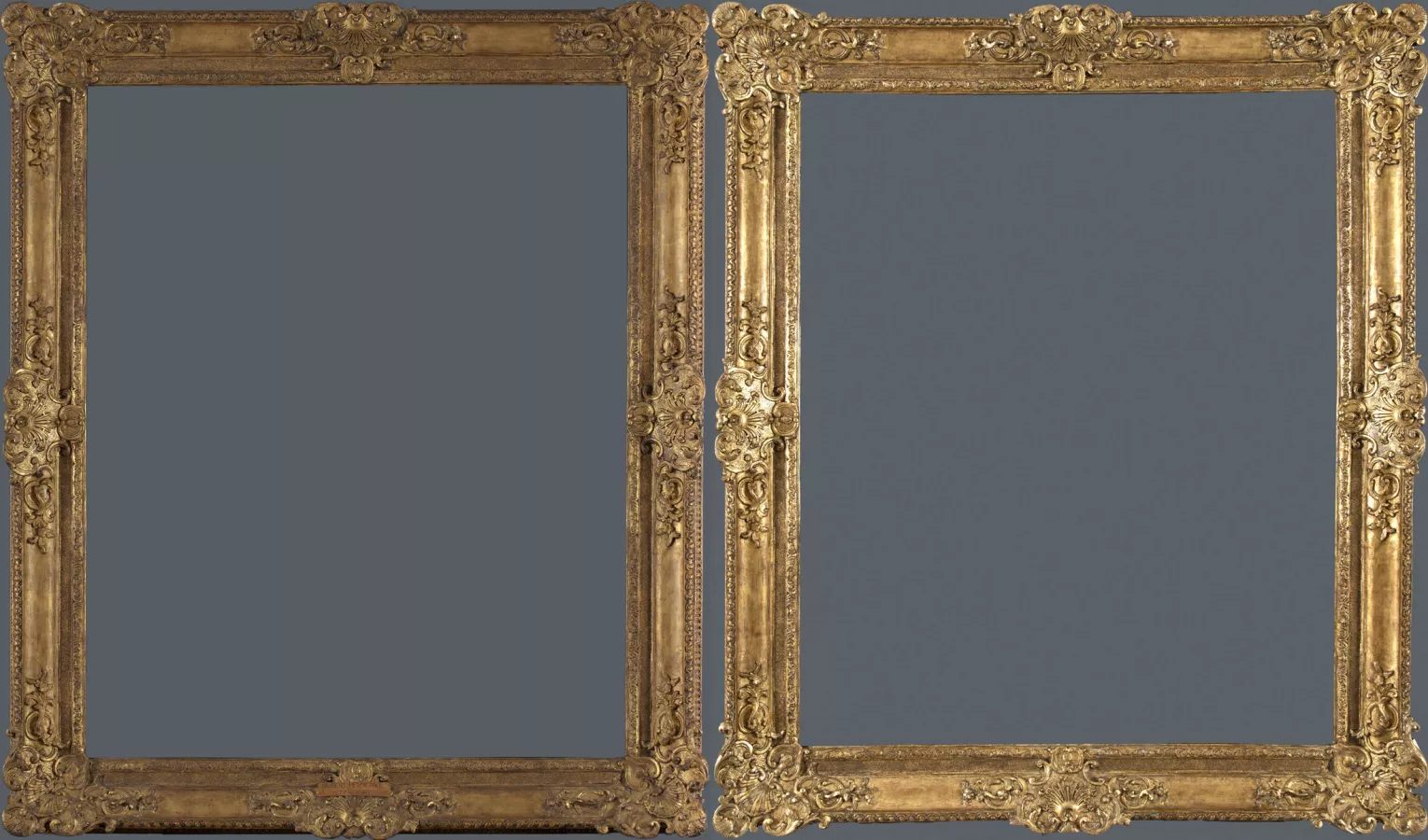
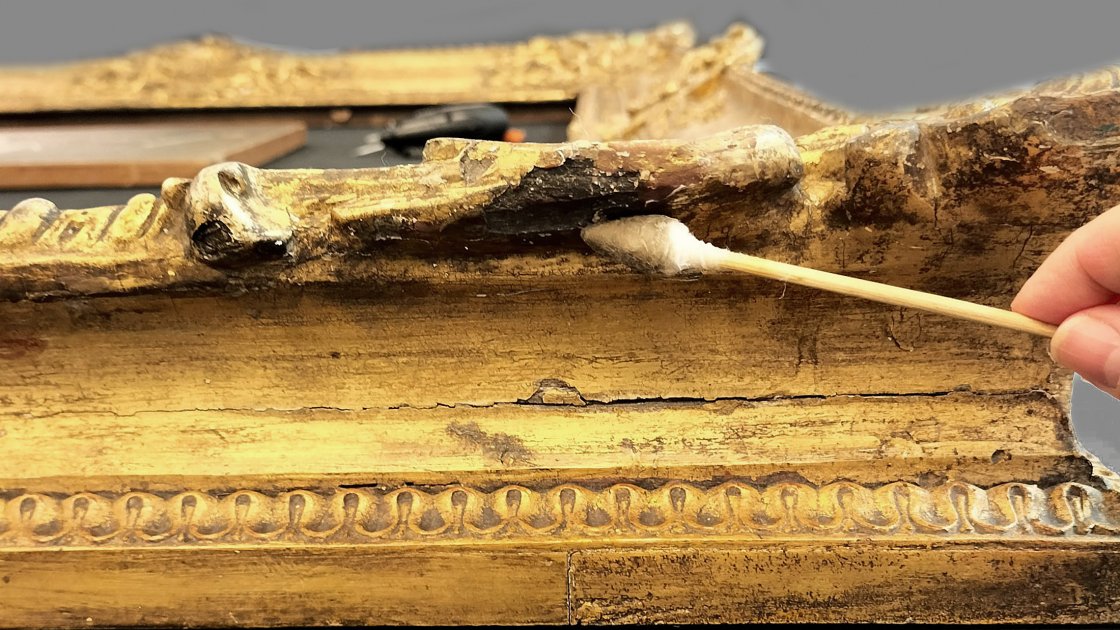
The frame was covered in surface grime and heavily blackened in places due to the application of a bituminous coating to areas where the wood was exposed as well as to parts of the gilding. In addition, deep cracks, missing fragments and a lack of structural integrity were visible. The lower member was the most damaged, possibly due to a past knock or fall, as it was badly fractured. In addition to the cracks, the corners and the centre displayed severe damage and loss of volume.
Laboratory analyses indicated that the frame had a wax patina; therefore, care had to be taken during cleaning not to remove this patina and to ensure it retained its antique appearance.
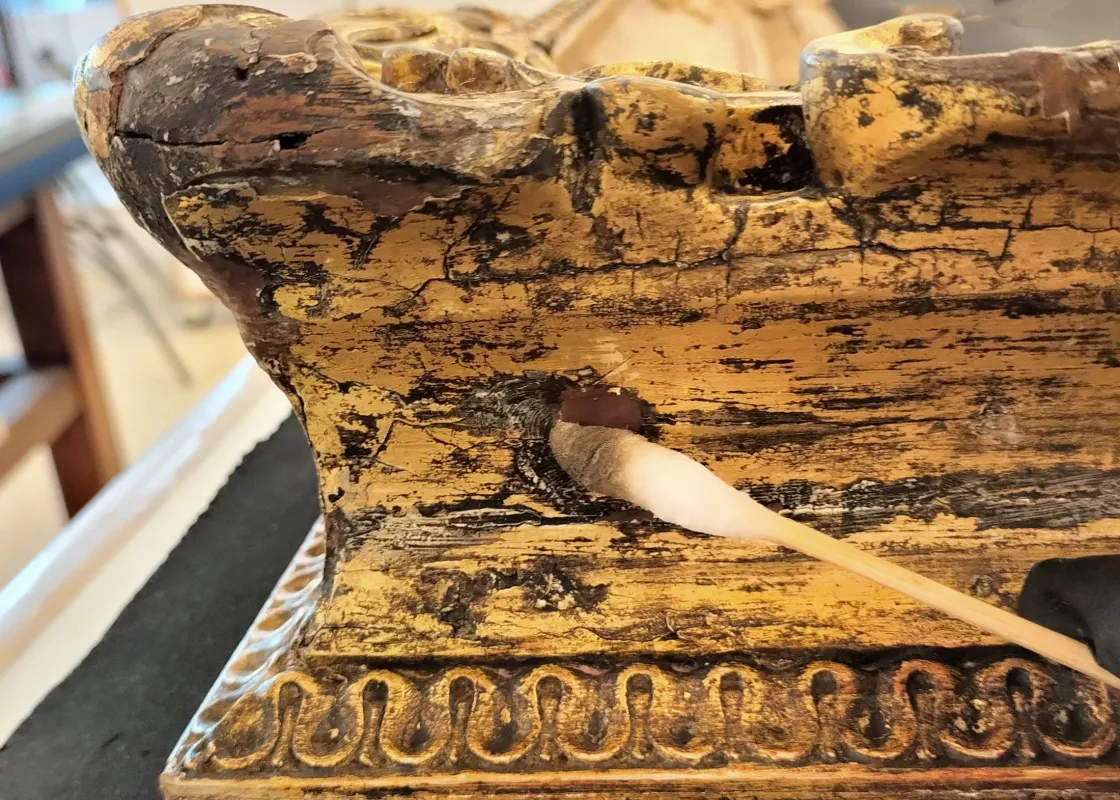
First, surface grime was removed from the entire frame, and solvents in varying proportions were subsequently used to remove the build-up of the unevenly distributed coating of bitumen of Judea. This substance did not appear to be part to the patina and greatly distorted the frame’s appearance.
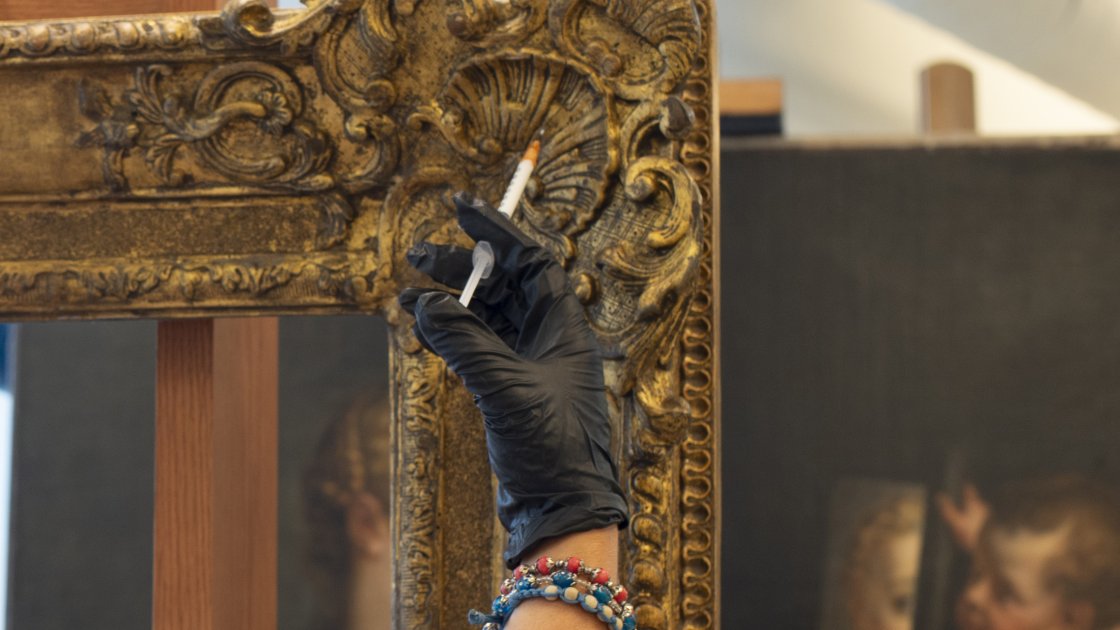
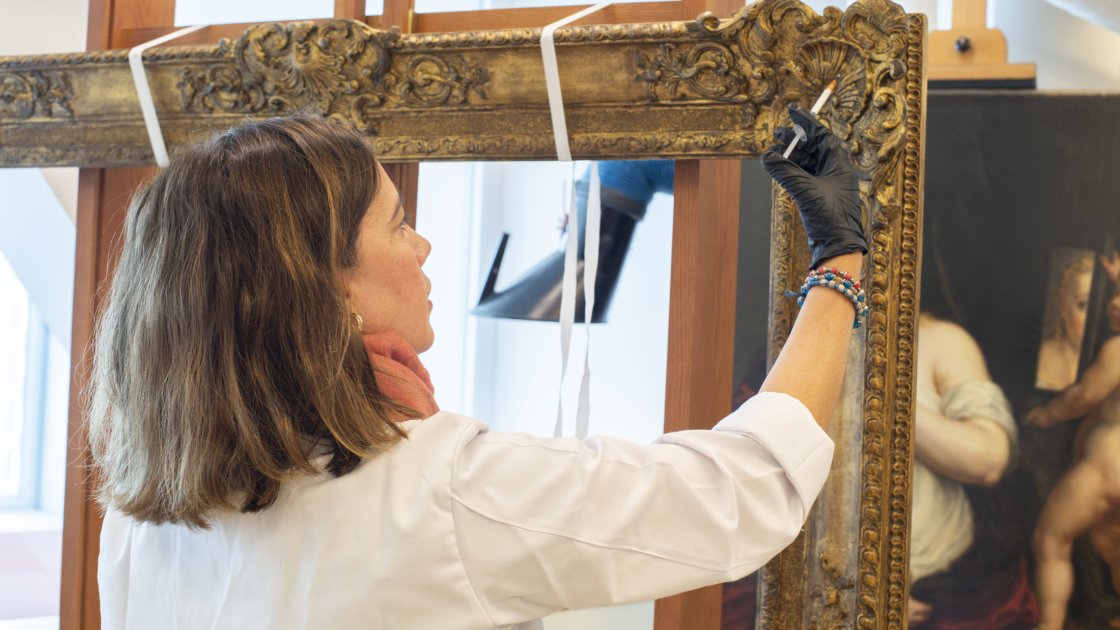
A key stage during the restoration was to secure the cracks and losses at an initial stage using a vinyl glue. The cracks and some areas of the gilding were again secured during a second stage using an animal glue. A custom filler was then made to fill the losses, applied warm in two layers.
Surplus material was then removed and the filler was sanded and levelled with sandpaper and a scalpel to shape it. A wood resin was also used to reconstruct certain areas of the frame, such as the palmettes and some three-dimensional elements. Both the filler and the resin enhance the frame’s cohesion and robustness as well as restoring its volume. Inpainting was carried out using reversible painting techniques with watercolours and a gilded finish with tempera. This finish was subsequently toned down with watercolour to emulate the dark patina of the original gilding.
Finally, a coating of acrylic resin was applied. This resin protects the frame while giving it a slight velvety sheen. The purpose of this treatment was to restore the balance, beauty and solidity of the frame, whose primary function is to adorn the painting.