Technical study
The technical study performed by the conservation and restoration department on Robert Rauschenberg’s Express focused on analysing the execution technique.
The artist’s creative processes were examined in depth, together with the materials and techniques employed, to gain a better understanding of the condition and characteristics of the work.
Silkscreen paintings
The silkscreen technique as an artistic medium
Rauschenberg (1925–2008) was characterised by his constant experimentation and pursuit of new forms of expression.
Together with Andy Warhol, he is one of the forerunners of Pop Art. Both incorporated the silkscreen process into their pictures as an innovative technique that enabled them to work on different scales and reuse motifs repeatedly.
For this purpose, they selected images from the press and had them printed by specialised companies, which delivered them in a screen format that will be discussed later.
The working method in "Express"
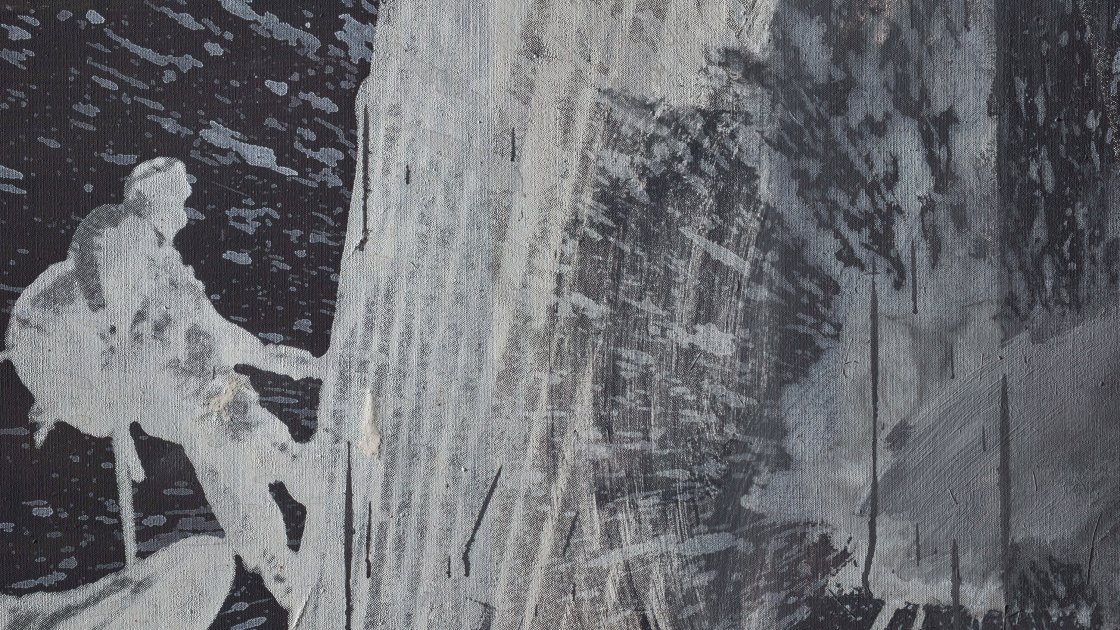
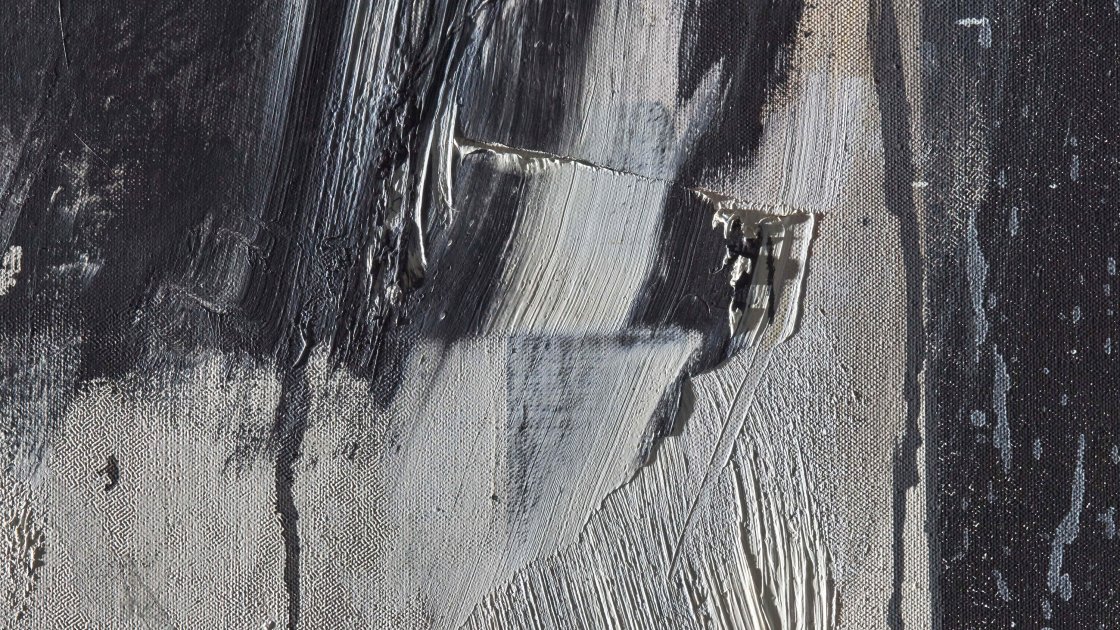
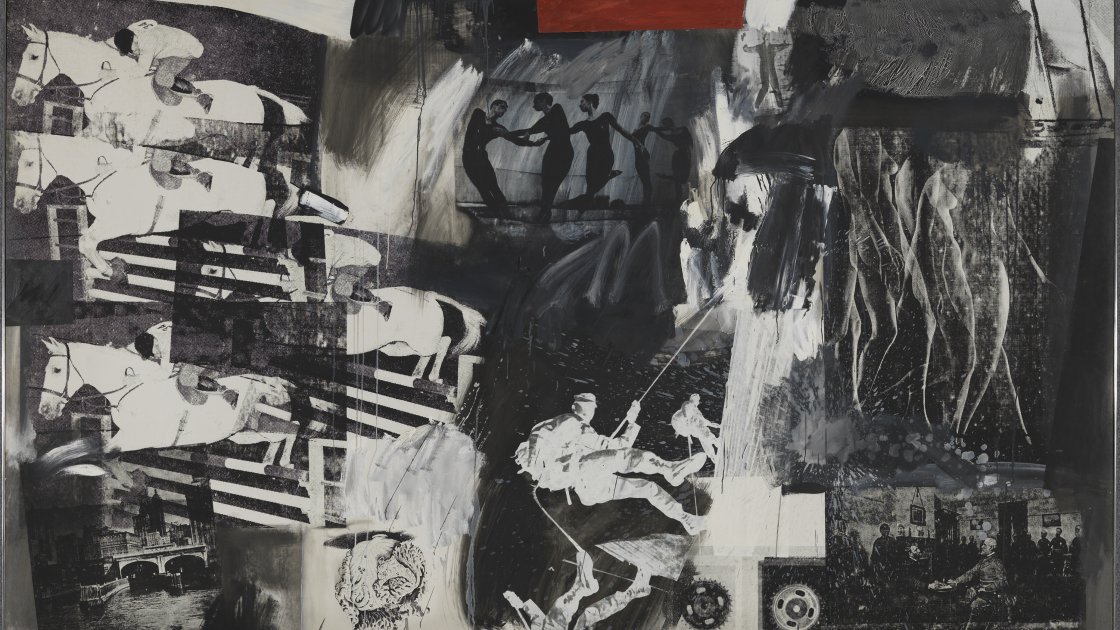
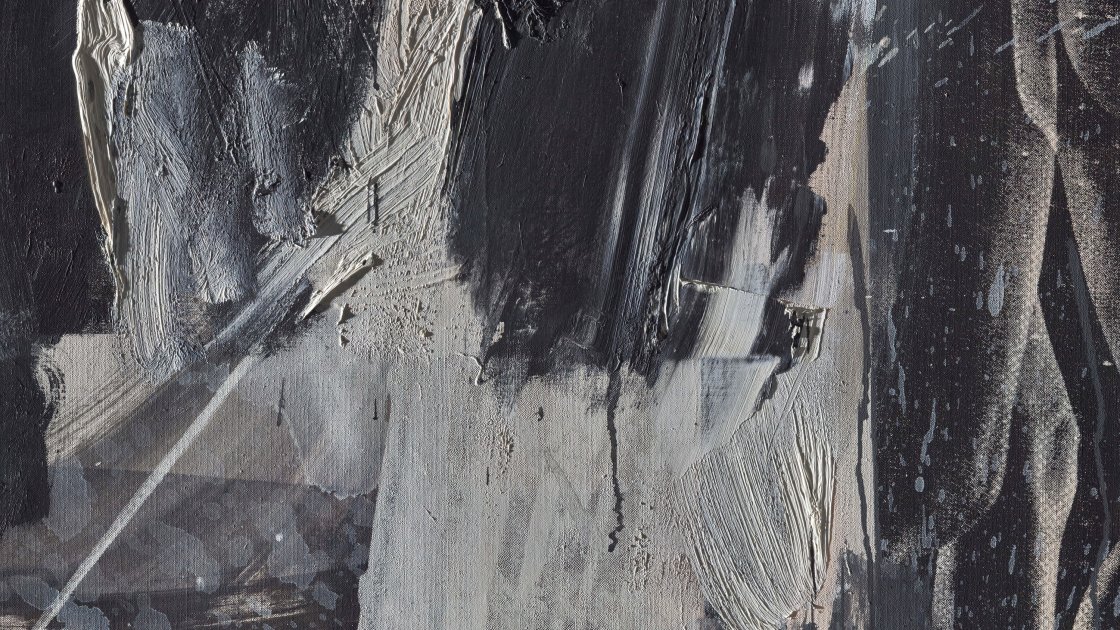
Rauschenberg combined a commercial mechanical process with his own artistic input, applying oil paint in brushstrokes, dabs, splashes and drips, by rubbing with rags and even using his hands.
The process of creating the work involved laying the canvas face-up on the floor, after partially covering it with layers of paint.
To transfer the silkscreen image, first a screen was prepared, consisting of a frame with a very fine fabric (originally silk) onto which the image to be reproduced had been imprinted. Some areas were blocked out and others were left free for the ink to pass through.
This screen was then placed directly over the canvas or other support. Next, ink was wiped across the screen and spread with a spatula, applying pressure. The ink only passed through the unblocked areas of the fabric, transferring the image onto the canvas. Finally, the screen was lifted off, leaving the image printed on the surface.
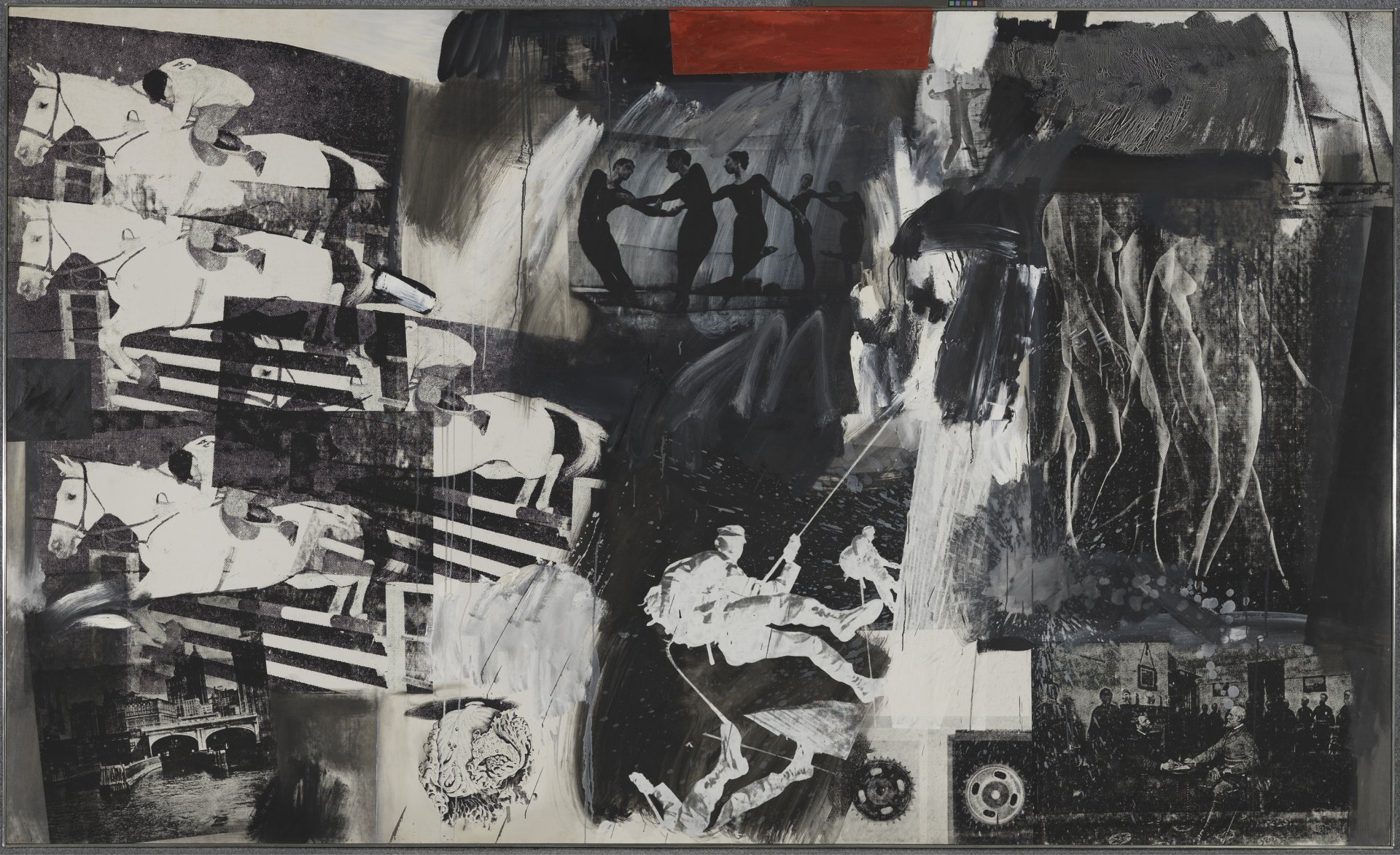
Unlike Warhol, whose work tends towards a more mechanical and repetitive aesthetic, Rauschenberg incorporated a gestural and expressive element.
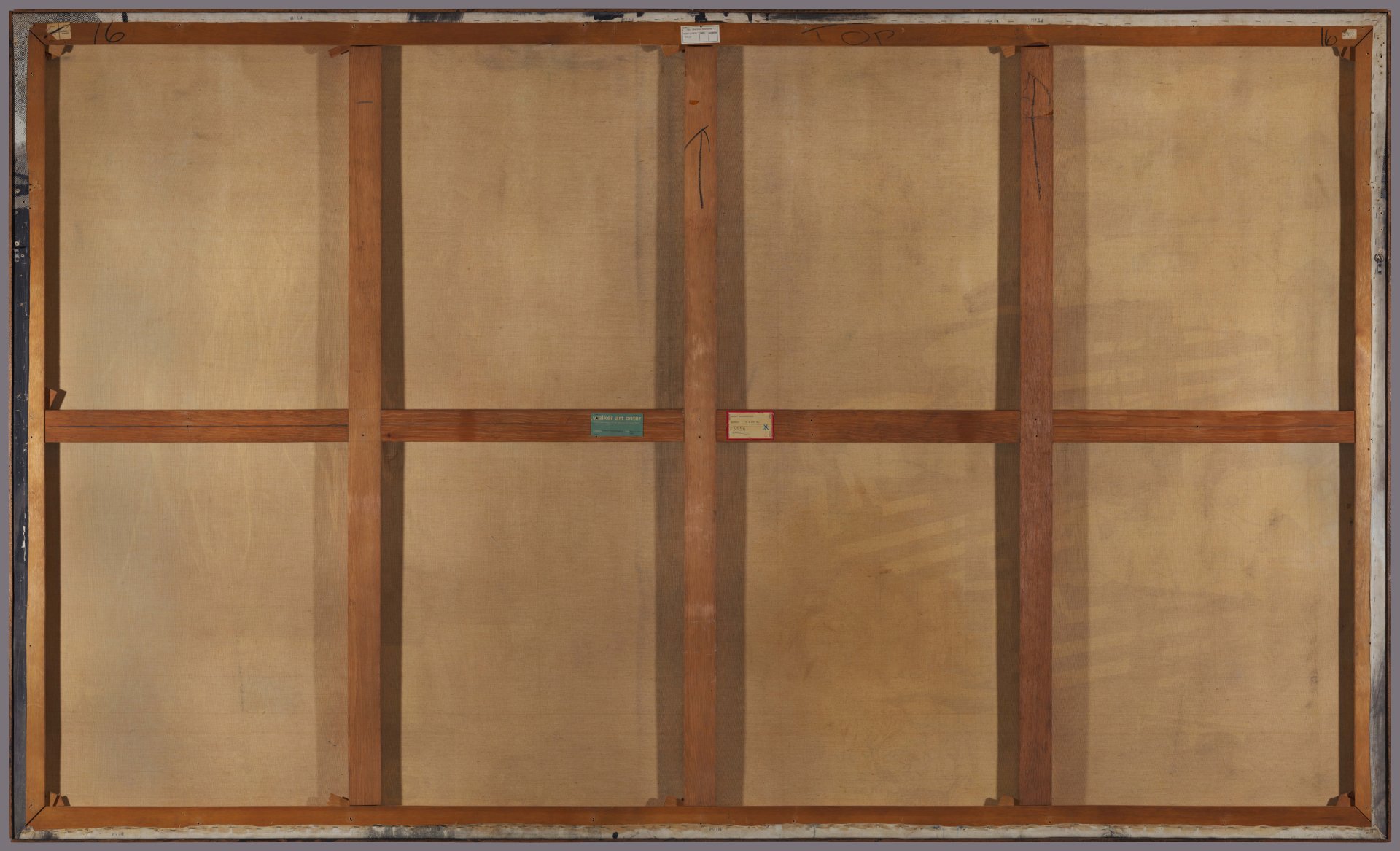
Once the screen-printing process was complete, he would tack the canvas to a stretcher to carry on working in a vertical position.
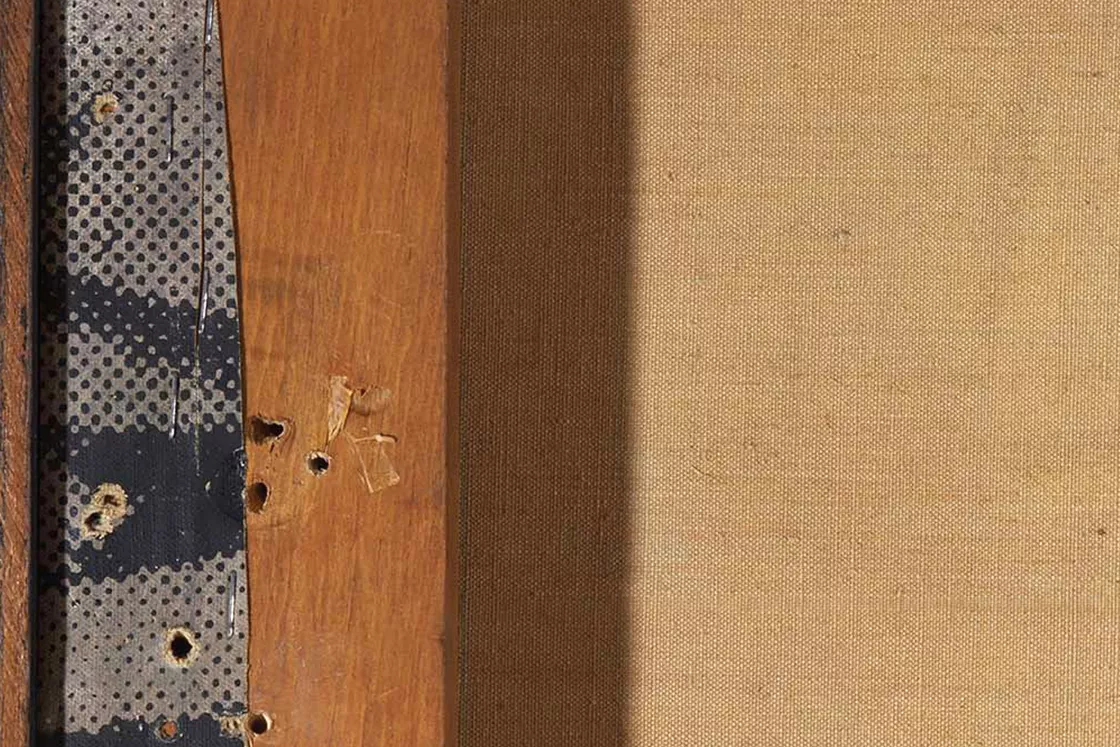
In the photo of the reverse side, you can see the edges of the canvas folded over and stapled to the stretcher, as well as traces of the silkscreen images, which reveal the technical process employed.
Study of technical: images in transmitted light
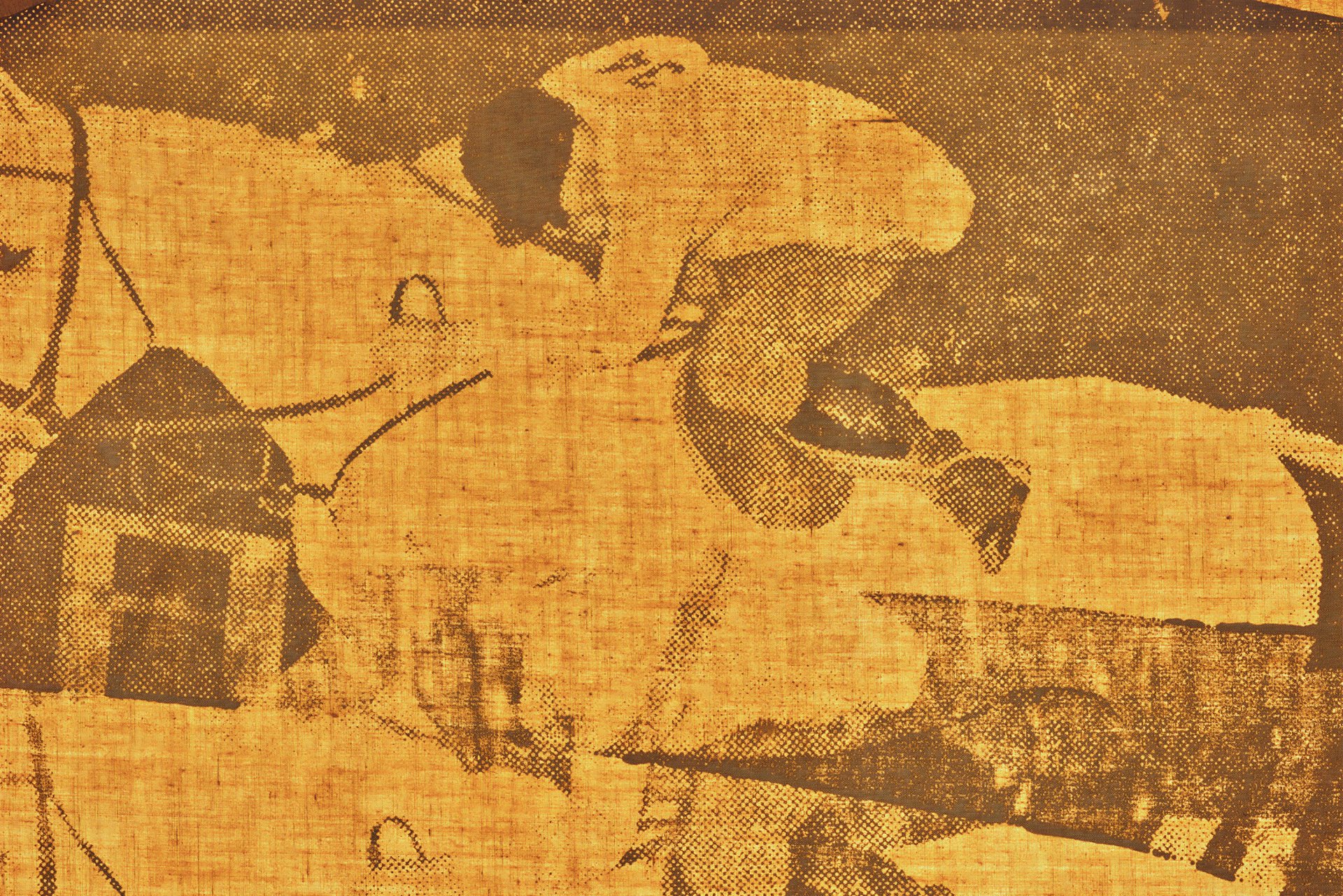
When studying works of art, we sometimes make use of transmitted light imaging, a technique that can provide particularly valuable information. Images of this kind are produced by placing light sources behind the canvas, so that the light shines through it and reveals internal features of the work.
This is a non-destructive examination method which, depending on the characteristics of the support and the technique the artist employed, enables us to view structural and compositional features that are not visible under conventional frontal lighting.
To facilitate comparative analysis, in this case the image obtained using transmitted light is shown turned horizontally so that its orientation matches that of the visible image on the front.
El vídeo de arriba es para uso exclusivamente decorativo dentro de está página.
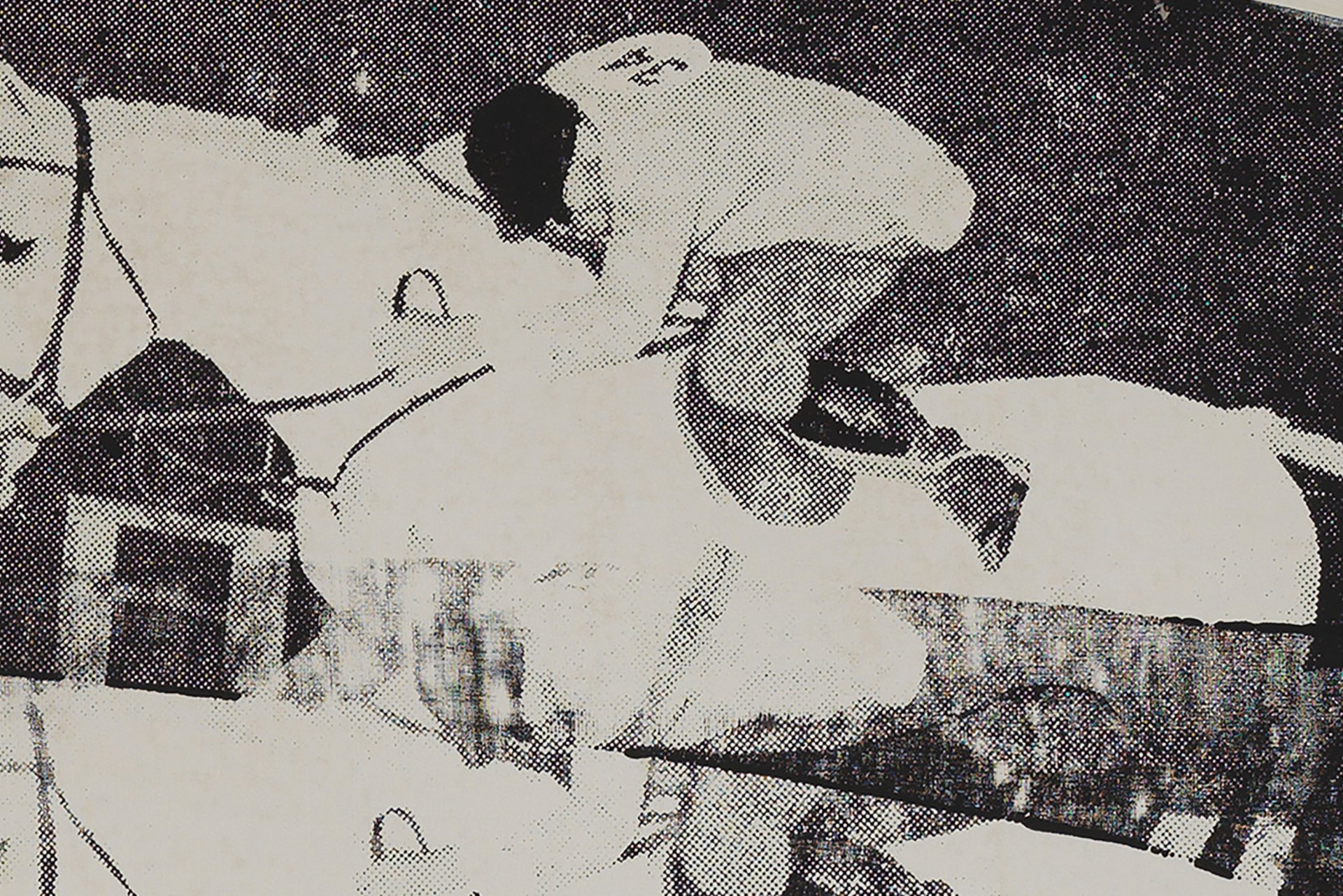
In the screenprint of the horseman, transmitted light allows the weft and warp of the fabric to be seen very clearly, as well as the quality of the screenprint transfer without any interference from paint.
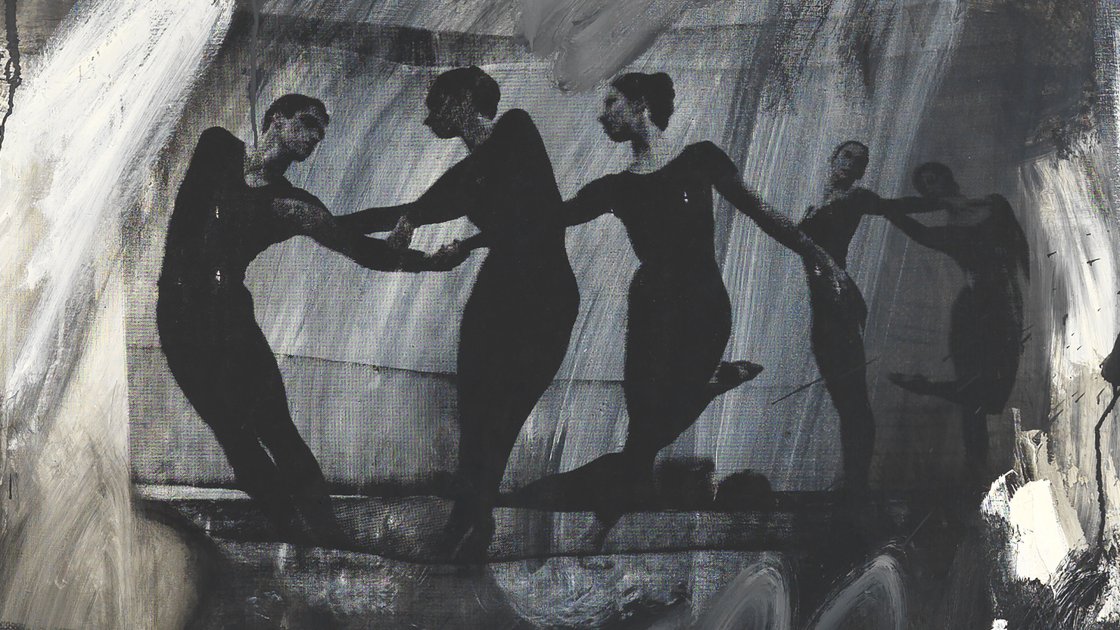
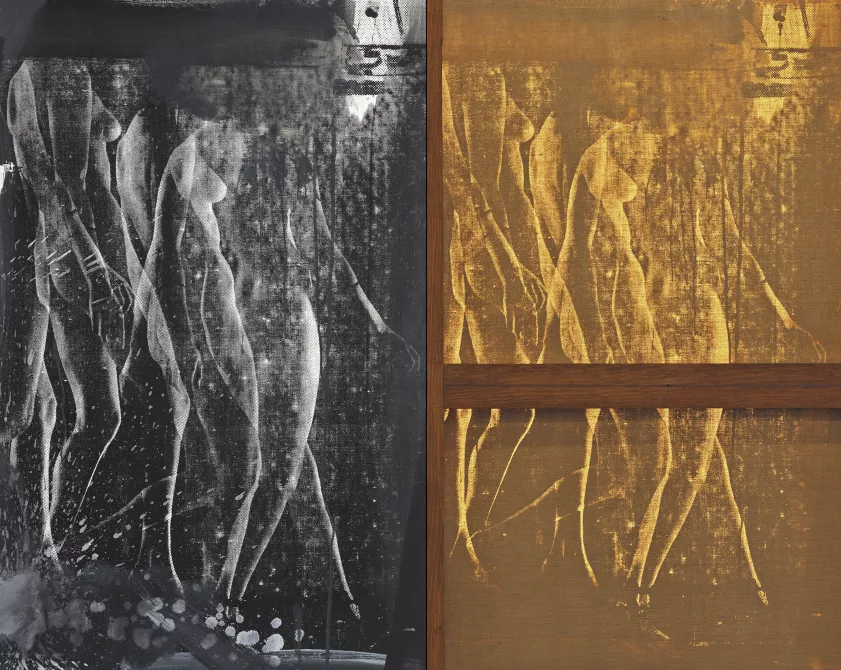
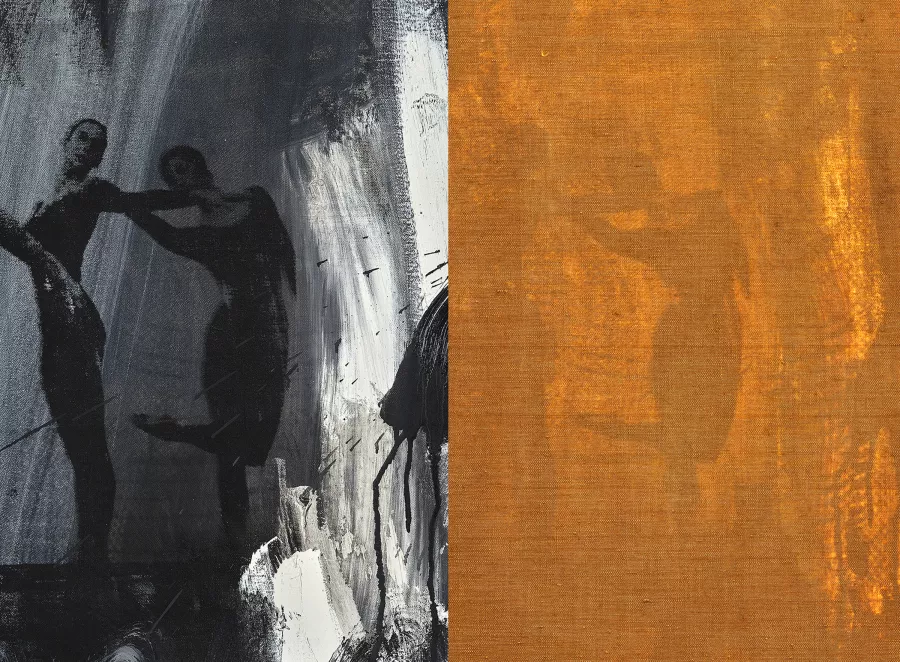
This detail shows how the artist has subsequently altered the screen-printed dancer descending the stairs, partially covering her with splashes and drips of paint, transforming the original image, as can be seen in the lower left corner of this detail of the work.
On the right, you can see how the artist initially spread a large patch of paint over the canvas and, over it, the screenprint of the dancers.
The image in transmitted light makes it possible to clearly distinguish the areas where the paint is applied more thickly from those where it is more diluted, applied by Rauschenberg, as we can see in this comparative.
A frame within
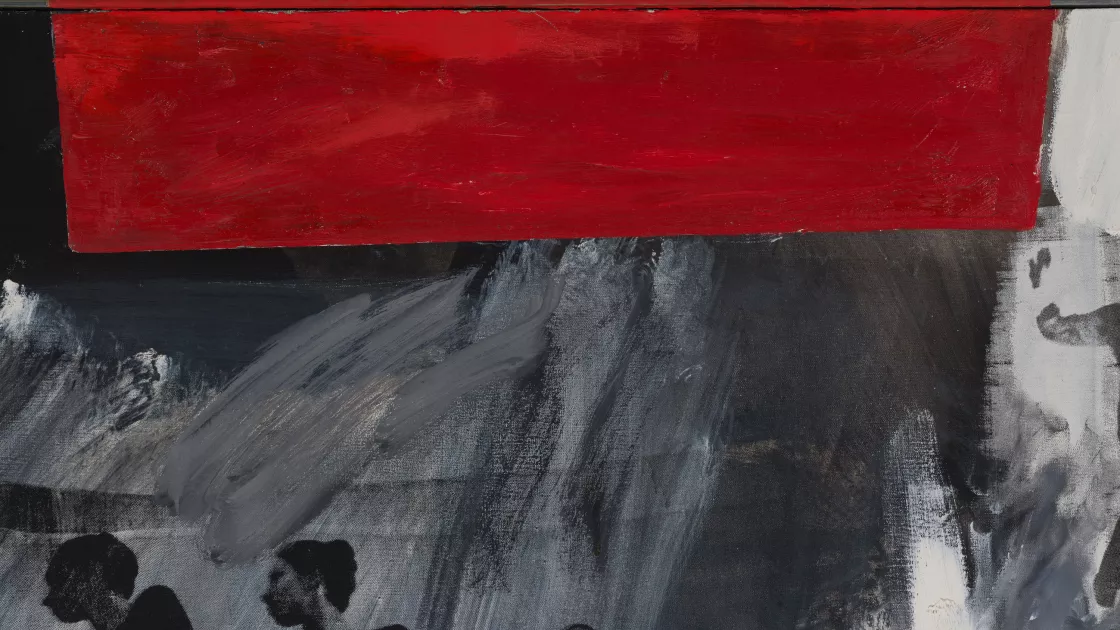
This is a work executed in black and white with just one strip of red at the top of the painting. The picture is framed with wooden edge strips with a rectangular profile, stained to look like oak, with an additional silver-coloured metal front profile surrounding the entire canvas.
The red paint spills over the edge of the canvas, reaching and invading the frame. This detail confirms that the frame was conceived by Robert Rauschenberg as an integral part of the work.
It is worth remembering that one of the artist’s main objectives was to bring art closer to life, breaking down the barriers between the artwork and reality. In Express, the paint avoids being confined within strict boundaries and extends past the metal profile, reinforcing this desire to go beyond the traditional frame.